In today’s high-precision industries—pharmaceuticals, biotechnology, semiconductors, and medical devices—cleanroom solutions are no longer just about maintaining sterile environments. They are evolving into intelligent ecosystems powered by Artificial Intelligence (AI) and automation.
Companies like Ziebaq are at the forefront of this transformation, integrating advanced technologies into modern cleanroom environments to deliver higher efficiency, compliance, and scalability.
So, how exactly are AI and automation reshaping cleanrooms? Let’s break it down.
The Evolution of Cleanroom Solutions
Cleanroom solutions have undergone a significant transformation over the past decade, evolving from static, manually controlled environments into highly dynamic, technology-driven ecosystems. Traditionally, cleanrooms were designed with a primary focus on maintaining controlled environmental conditions such as air purity, temperature, humidity, and pressure. These systems relied heavily on manual monitoring, routine inspections, and fixed HVAC configurations. While these conventional cleanroom solutions were effective to a certain extent, they often lacked real-time responsiveness and adaptability, leading to inefficiencies and increased operational risks.
One of the major limitations of traditional cleanroom systems was their dependence on human intervention. Manual data recording, delayed response to contamination, and inconsistent monitoring created gaps in performance and compliance. As industries such as pharmaceuticals, biotechnology, and semiconductor manufacturing began demanding higher precision and stricter regulatory adherence, the need for more advanced cleanroom solutions became evident. This is where AI and automation entered the picture, revolutionizing how cleanrooms are designed, managed, and optimized.
Modern cleanroom solutions now incorporate intelligent systems that continuously monitor environmental parameters and respond instantly to any deviations. Companies like Ziebaq are leading this shift by integrating advanced AI-driven technologies into their cleanroom designs. These smart cleanroom environments are capable of predictive analysis, automated adjustments, and real-time data processing, ensuring optimal performance at all times. The transition from reactive to proactive cleanroom management has not only improved efficiency but also significantly reduced the risk of contamination.
As industries continue to evolve, the demand for scalable and intelligent cleanroom solutions will only grow. The integration of AI and automation is no longer a luxury but a necessity for organizations aiming to maintain high standards of quality, safety, and compliance in today’s competitive landscape.
Role of AI in Modern Cleanroom Solutions
Artificial Intelligence has become a cornerstone in the advancement of modern cleanroom solutions, enabling a level of precision and efficiency that was previously unattainable. AI-powered systems are designed to analyze vast amounts of data in real time, allowing cleanroom environments to operate with enhanced accuracy and minimal human intervention. This technological integration has fundamentally changed how cleanrooms are monitored, controlled, and optimized across various industries.
One of the most impactful applications of AI in cleanroom solutions is predictive monitoring. AI algorithms continuously track environmental parameters such as particle count, airflow, temperature, and humidity. By identifying patterns and anomalies, these systems can predict potential contamination risks before they escalate into critical issues. This proactive approach ensures that cleanroom environments remain compliant with stringent regulatory standards while minimizing downtime and operational disruptions.
Another significant contribution of AI is in intelligent HVAC optimization. Traditional HVAC systems operate on fixed settings, which can lead to energy inefficiencies and inconsistent environmental control. AI-driven cleanroom solutions, such as those developed by Ziebaq, dynamically adjust airflow and filtration based on real-time conditions. This not only improves environmental stability but also reduces energy consumption, making cleanroom operations more sustainable and cost-effective.
AI also plays a crucial role in enhancing contamination control through advanced analytics and automation. By integrating machine learning models, cleanroom systems can detect the source of contamination and initiate corrective actions instantly. Additionally, AI-powered computer vision systems monitor personnel behavior, ensuring compliance with cleanroom protocols such as proper gowning and restricted access.
Overall, the integration of AI into cleanroom solutions has transformed them into intelligent ecosystems capable of self-monitoring and self-optimization. This shift is enabling industries to achieve higher levels of quality, safety, and operational efficiency.
Automation in Cleanroom Environments
Automation has become an essential component of modern cleanroom solutions, driving efficiency, consistency, and reliability across operations. By reducing reliance on manual processes, automation minimizes human error and enhances the overall performance of cleanroom environments. This is particularly critical in industries where even the smallest contamination can have significant consequences, such as pharmaceuticals, biotechnology, and semiconductor manufacturing.
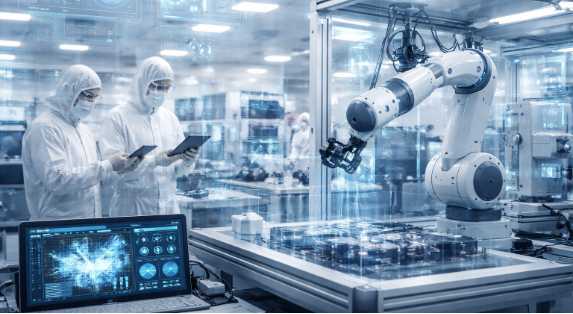
One of the key applications of automation in cleanroom solutions is robotic process automation (RPA). Robots are increasingly being used for tasks such as material handling, product transfer, and packaging. These automated systems operate with high precision and consistency, eliminating the risk of human-induced contamination. Additionally, robotic systems can function continuously without fatigue, significantly improving productivity and throughput.
Automated cleaning and disinfection systems are another vital aspect of advanced cleanroom solutions. Traditional cleaning methods often depend on manual labor, which can lead to inconsistencies in hygiene standards. Modern cleanrooms, particularly those designed by innovative companies like Ziebaq, incorporate robotic cleaning units and automated sterilization technologies such as UV disinfection. These systems ensure uniform cleanliness and reduce the need for human intervention, thereby maintaining higher levels of sterility.
Access control and security have also been enhanced through automation. Smart systems now use biometric authentication, RFID tracking, and AI-based monitoring to regulate entry into cleanroom environments. This ensures that only authorized and compliant personnel can access sensitive areas, reducing the risk of contamination.
Furthermore, the integration of IoT devices with automated systems allows for seamless communication between various components of the cleanroom. Sensors, equipment, and control systems work together to create a fully connected environment that can be monitored and managed remotely. This level of automation not only improves operational efficiency but also provides valuable insights for continuous improvement.
Key Benefits of AI-Driven Cleanroom Solutions
The integration of AI and automation into cleanroom solutions offers a wide range of benefits that significantly enhance operational performance, compliance, and cost efficiency. These advanced systems are designed to address the limitations of traditional cleanroom environments while providing a more reliable and scalable solution for modern industries.
One of the most notable advantages of AI-driven cleanroom solutions is improved accuracy. By leveraging real-time data and advanced analytics, AI systems eliminate guesswork and provide precise control over environmental conditions. This ensures that cleanrooms consistently meet the required standards for air quality, temperature, and humidity, reducing the risk of contamination and product defects.
Enhanced compliance is another critical benefit. Regulatory requirements in industries such as pharmaceuticals and biotechnology are becoming increasingly stringent. AI-powered cleanroom solutions automate data recording, monitoring, and reporting , ensuring that all operations are fully compliant with standards such as GMP, ISO, and FDA guidelines. Companies like Ziebaq are incorporating these features into their solutions, helping clients achieve seamless compliance with minimal effort.
Cost efficiency is also a significant advantage of modern cleanroom solutions. AI and automation reduce energy consumption by optimizing HVAC systems and minimizing unnecessary resource usage. Additionally, the need for manual labor is reduced, leading to lower operational costs. Predictive maintenance capabilities further contribute to cost savings by identifying potential equipment failures before they occur, thereby preventing costly downtime.
Scalability is another key benefit. AI-driven cleanroom solutions can be easily expanded or modified to accommodate changing requirements. This flexibility makes them ideal for growing businesses and evolving industries. Overall, the adoption of AI and automation is enabling organizations to achieve higher levels of efficiency, reliability, and competitiveness.
Industry Applications of Smart Cleanroom Solutions
AI-powered cleanroom solutions are transforming a wide range of industries by providing advanced capabilities that enhance precision, safety, and efficiency. These intelligent systems are particularly valuable in sectors where maintaining a controlled environment is critical to product quality and regulatory compliance.
In the pharmaceutical industry, cleanroom solutions play a vital role in drug manufacturing, vaccine production, and sterile packaging. AI-driven systems ensure that environmental conditions are consistently maintained, reducing the risk of contamination and ensuring product safety. Companies like Ziebaq are helping pharmaceutical manufacturers adopt smart cleanroom technologies that improve both efficiency and compliance.
The semiconductor industry also relies heavily on advanced cleanroom solutions. The production of microchips and electronic components requires a controlled environment with minimal particle contamination. AI and automation enable real-time monitoring and precise control, ensuring that even the smallest deviations are addressed. This level of precision is essential for maintaining product quality and reducing defects.
In the biotechnology sector, cleanroom solutions are used in research laboratories and production facilities for activities such as cell culture and gene therapy. AI-powered systems provide the necessary control and monitoring to support these complex processes, ensuring accurate results and operations.
Medical device manufacturing is another area where cleanroom solutions are essential. The production such as surgical instruments and implants requires strict adherence to cleanliness standards. Automation and AI help maintain these standards while improving production efficiency.
Additionally, cleanroom solutions are increasingly being used in food processing and other industries where hygiene and contamination control are critical. The versatility and effectiveness of AI-driven cleanroom solutions make them an indispensable tool across various sectors.
Challenges and Future of Cleanroom Solutions
While AI and automation are transforming cleanroom solutions, their adoption also presents certain challenges that organizations must address. One of the primary concerns is the high initial investment required for implementing advanced technologies. The cost of AI systems, automation, and integration can be significant, particularly for small and medium-sized enterprises. However, the long-term benefits often outweigh these initial expenses, making it a worthwhile investment.
Integration complexity is another challenge. Incorporating AI and automation into existing cleanroom solutions requires careful planning and execution. Organizations must ensure that new systems are compatible with their current infrastructure and processes. This often involves collaboration with experienced providers like Ziebaq, who specialize in delivering customized cleanroom solutions tailored to specific requirements.
The need for skilled personnel is also a critical factor. Operating and maintaining AI-driven systems requires specialized knowledge and expertise. Companies must invest in training their workforce to effectively utilize these technologies. Additionally, data security is becoming increasingly important as cleanroom solutions become more connected through IoT and cloud-based systems.
Despite these challenges, the future of cleanroom solutions is highly promising. The continued advancement of AI and automation technologies is expected to drive further innovation in this field. Concepts such as fully autonomous cleanrooms, digital twins, and real-time simulation are already being explored. These developments will enable even greater levels of efficiency, accuracy, and scalability.
In conclusion, AI and automation are redefining cleanroom solutions, transforming them into intelligent, self-regulating environments. With the support of innovative companies like Ziebaq, businesses can overcome challenges and embrace the future of cleanroom technology, ensuring long-term success in an increasingly competitive landscape.