Maintaining a clean and controlled environment is essential in industries where even small amounts of contamination can affect product quality, safety, and manufacturing processes. Pharmaceutical facilities, laboratories, healthcare environments, electronics manufacturing units, and biotechnology facilities all require carefully designed spaces to minimise contamination risks.
While air filtration systems, protective clothing, and cleaning procedures play important roles in maintaining cleanliness, the flooring system also deserves careful attention.
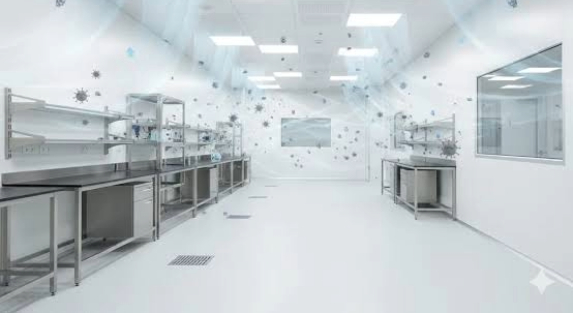
Cleanroom Flooring is more than just a surface people walk on. It is an important part of the overall contamination-control strategy. A seamless flooring system helps minimise joints, gaps, and cracks where dust, dirt, moisture, and other contaminants can accumulate.
Whether you are designing a new cleanroom or upgrading an existing facility, choosing the right seamless flooring solution can help maintain hygiene, improve cleaning efficiency, and support long-term operational performance.
What Is Seamless Cleanroom Flooring?
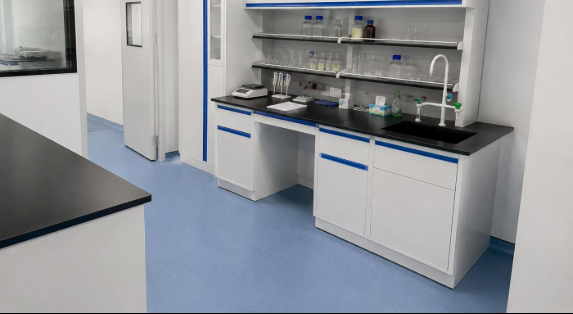
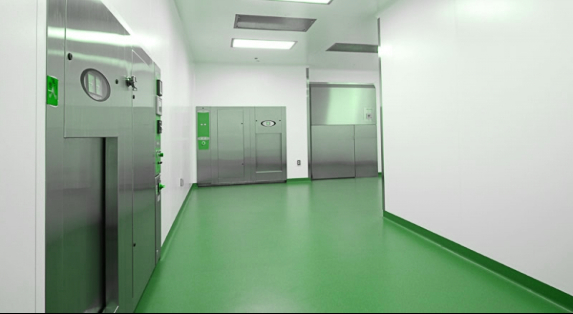
Seamless cleanroom flooring refers to a flooring system installed with minimal or no exposed joints across the finished surface. Unlike conventional flooring materials with multiple seams or grout lines, seamless systems create a smooth and continuous surface that is easier to clean and maintain.
These flooring systems are commonly used in environments where cleanliness, hygiene, and contamination control are important.
Depending on the facility’s requirements, seamless cleanroom floors may use materials such as:
- Epoxy flooring: A resin-based flooring system known for its durability, smooth finish, and resistance to many chemicals.
- Polyurethane (PU) flooring: Often selected for its flexibility, impact resistance, and ability to accommodate certain temperature variations.
- Vinyl flooring: Available in specialised cleanroom-grade options designed to provide smooth, easy-to-clean surfaces.
- Conductive or static-dissipative flooring: Designed to help control electrostatic discharge in environments where static electricity may damage sensitive components or affect processes.
The right material depends on the cleanroom classification, operational activities, chemical exposure, cleaning procedures, and other facility requirements.
Why Seamless Cleanroom Flooring Matters for Contamination Control
1. Reduces Areas Where Contaminants Can Accumulate
Traditional flooring materials may contain joints, grout lines, and small gaps. Over time, these areas can collect dust, dirt, moisture, and other unwanted particles.
In a controlled environment, even difficult-to-clean areas can create maintenance challenges.
Seamless Cleanroom Flooring reduces these potential collection points by providing a continuous surface. This makes routine cleaning more straightforward and helps facilities maintain better control over surface contamination.
Although flooring alone cannot prevent contamination, reducing hard-to-clean areas supports an effective cleanroom hygiene programme.
2. Makes Cleaning and Maintenance Easier
Cleanroom environments require regular and carefully controlled cleaning procedures. Flooring surfaces must be compatible with the cleaning chemicals, disinfectants, and methods used within the facility.
A seamless floor has fewer joints and gaps, making it easier for cleaning teams to cover the entire surface without overlooking difficult areas.
For example, epoxy and specialised vinyl flooring systems can provide smooth surfaces that are suitable for routine cleaning when selected and maintained according to the manufacturer’s recommendations.
When choosing Cleanroom Flooring, consider how frequently the floor will be cleaned and which cleaning agents will be used.
3. Helps Maintain Hygienic Working Conditions
Hygiene is a major concern in pharmaceutical production, biotechnology, healthcare, and laboratory environments.
Cracked, damaged, or poorly maintained flooring can make cleaning more difficult and may create areas where unwanted materials collect.
A properly installed seamless floor helps create a more uniform surface with fewer places for contaminants to settle. This supports routine sanitation and helps maintain hygienic working conditions.
For facilities with strict cleanliness requirements, flooring should be considered as part of a complete contamination-control plan rather than as an isolated design feature.
4. Minimises Cracks and Surface Damage
Flooring damage can create more than an appearance problem. Cracks, chips, and deteriorating joints may become difficult-to-clean areas and affect the performance of the floor.
High-quality seamless flooring systems are designed to provide durable surfaces suitable for demanding operational environments.
However, performance depends on the selected material, substrate preparation, installation quality, operating conditions, and maintenance.
Before selecting a cleanroom floor, assess factors such as:
- Expected foot traffic.
- Movement of carts and equipment.
- Exposure to chemicals and disinfectants.
- Temperature variations.
- Mechanical impact.
- Expected maintenance requirements.
Selecting a suitable flooring system can help reduce premature damage and the need for frequent repairs.
5. Supports Controlled Environments
Cleanrooms are designed to control airborne particles and other environmental conditions. The flooring system must support the facility’s cleaning and operational requirements.
For example, electronics manufacturing facilities may require static-dissipative flooring to manage electrostatic discharge risks. Pharmaceutical facilities may prioritise chemical resistance, cleanability, and compatibility with sanitation procedures.
The correct Cleanroom Flooring solution should be selected according to the specific activities performed in the facility.
It is also important to remember that a seamless floor does not independently determine a cleanroom’s classification or guarantee a contamination-free environment. Air filtration, pressure control, personnel practices, equipment, and cleaning procedures all contribute to overall performance.
6. Improves Long-Term Flooring Performance
Cleanroom flooring is a long-term facility investment. Replacing or repairing a damaged floor can disrupt operations and create additional maintenance costs.
A suitable seamless flooring system can provide durability and reduce maintenance challenges when properly installed and maintained.
When evaluating flooring options, look beyond the initial installation price. Consider the expected service life, cleaning requirements, repair options, downtime, and total cost of ownership.
Choosing the right system from the beginning can help support more predictable facility maintenance.
Common Types of Seamless Cleanroom Flooring
Different cleanroom environments require different flooring characteristics. Understanding the available options can help facility managers make informed decisions.
Epoxy Cleanroom Flooring
Epoxy flooring is a popular choice for controlled environments because it can provide a smooth, durable, and chemically resistant surface.
Key benefits include:
- Good resistance to many chemicals.
- Smooth and easy-to-clean finish.
- Durable surface for regular foot traffic.
- Availability in different finishes and configurations.
Its suitability should be checked against the specific chemicals, temperatures, and cleaning procedures used in the facility.
Polyurethane Cleanroom Flooring
Polyurethane flooring is another option for demanding environments. Depending on the formulation, it can provide flexibility, impact resistance, and resistance to certain temperature changes.
Key benefits include:
- Good wear resistance.
- Flexibility compared with some rigid resin systems.
- Suitability for selected demanding environments.
- Options for different operational requirements.
The correct formulation should be selected based on the facility’s conditions and manufacturer specifications.
Cleanroom Vinyl Flooring
Specialised vinyl flooring is used in some cleanroom environments where smooth, hygienic surfaces are required. Certain systems are available with conductive or static-dissipative properties.
Key benefits include:
- Smooth surface.
- Straightforward routine cleaning.
- Availability in specialised cleanroom grades.
- Options for electrostatic control.
Installation details matter. Seams, edges, and joints should be properly treated according to the flooring system’s specifications.
Key Factors to Consider When Selecting Cleanroom Flooring
Before choosing a flooring solution, assess the facility’s technical and operational requirements.
1. Cleanroom Classification
Understand the cleanliness level required for the facility and the relevant standards or guidelines that apply. The flooring system should support the cleaning and operational requirements of the intended environment.
2. Chemical Resistance
Review the chemicals, disinfectants, and cleaning agents that may come into contact with the floor. Check the manufacturer’s chemical-resistance data rather than assuming that every resin or vinyl system offers the same protection.
3. Electrostatic Control
If the facility handles sensitive electronic components or processes affected by static electricity, consider whether conductive or static-dissipative flooring is necessary.
4. Slip Resistance
The flooring should provide an appropriate level of slip resistance for the activities performed in the facility. A balance between cleanability and safe movement is important.
5. Installation Quality
Even a high-quality flooring material can underperform if it is installed incorrectly. Proper substrate preparation, moisture assessment, detailing, and curing are essential for long-term results.
6. Maintenance Requirements
Consider the cleaning schedule, approved cleaning chemicals, inspection frequency, and repair requirements. Choose a system that can be maintained consistently without disrupting operations.
Why Professional Cleanroom Flooring Installation Matters
The performance of a seamless flooring system depends on more than the material itself. Proper installation is equally important.
A professional installation process generally involves:
- Substrate inspection: Checking the existing floor for cracks, moisture, unevenness, and other issues.
- Surface preparation: Cleaning and preparing the substrate to support proper adhesion.
- Material selection: Confirming that the flooring system is suitable for the cleanroom’s operating conditions.
- Application: Installing the flooring according to the manufacturer’s technical requirements.
- Joint and edge detailing: Paying attention to wall junctions, corners, drains, and other transitions.
- Final inspection: Checking the completed surface for defects and confirming that it meets the project specifications.
Working with an experienced cleanroom flooring contractor can help reduce installation issues and ensure that the finished system is suitable for the facility’s intended use.
Conclusion
Seamless flooring plays an important role in maintaining clean and controlled working environments. By reducing joints and hard-to-clean areas, it can make routine cleaning easier, support hygienic conditions, and contribute to a more effective contamination-control strategy.
However, the best Cleanroom Flooring solution depends on the facility’s activities, cleanliness requirements, chemical exposure, equipment, and maintenance procedures.
Whether you are planning a new cleanroom or upgrading an existing facility, selecting the right material and ensuring professional installation can make a meaningful difference to long-term performance.
Looking for the Right Cleanroom Flooring Solution?
Your cleanroom deserves a flooring system designed around its specific operational and hygiene requirements. Choose a solution that supports contamination control, durability, and easy maintenance.
Contact our team today to discuss your cleanroom flooring requirements and find a suitable flooring system for your facility.