A well-planned laboratory is more than just a room filled with equipment, workstations, and storage units. It is a carefully organised workspace where researchers, technicians, and other professionals can work safely, comfortably, and efficiently. Every element of the layout matters, from equipment placement and movement pathways to ventilation, storage, and work surfaces.
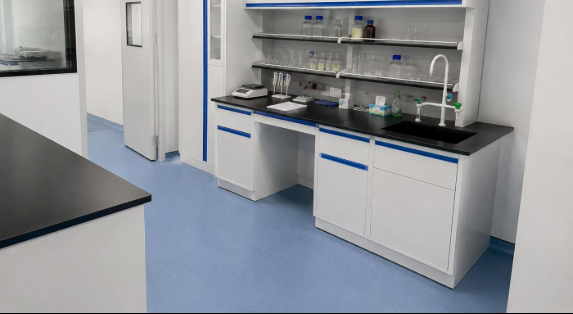
One of the most important decisions when designing a laboratory is choosing the right Laboratory Benches. They provide dedicated workspaces for experiments, sample preparation, testing, and other essential activities. The right benches can improve workflow, make better use of available space, and support a safer working environment.
Whether you are setting up a new research facility or upgrading an existing laboratory, selecting suitable laboratory workbenches should be an important part of your planning process.
1. Understand Your Laboratory’s Requirements
Before selecting Laboratory Benches, start by understanding how the laboratory will be used. Different laboratories have different operational requirements, so a layout that works for a research facility may not be suitable for a pharmaceutical, educational, or quality-control laboratory.
Consider the following questions:
- What type of laboratory activities will take place?
- How many people will use the workspace at the same time?
- What equipment and instruments need to be accommodated?
- Will the benches be exposed to chemicals, moisture, heat, or heavy loads?
- How much storage space is required?
- Are specialised workstations needed for particular procedures?
For example, a chemistry laboratory may require chemically resistant work surfaces, while an electronics laboratory may need benches designed for equipment handling and electrostatic discharge (ESD) control.
Understanding these requirements helps you select laboratory furniture that supports daily operations rather than creating unnecessary limitations.
2. Choose the Right Type of Laboratory Benches
Not all Laboratory Benches are designed for the same purpose. Their construction, dimensions, materials, and features can vary depending on the work being performed.
Here are some common types to consider:
Wall-Mounted Laboratory Benches
Wall-mounted benches are installed along the walls of a laboratory. They can be a practical option when you want to maximise central floor space while keeping equipment and storage organised.
They are often suitable for laboratories with fixed workstations and clearly defined work areas.
Island Laboratory Benches
Island benches are positioned away from the walls, allowing access from multiple sides. They can support collaborative work and provide convenient access to shared equipment.
However, their placement should account for sufficient clearance around the workstation so that staff can move safely.
Mobile Laboratory Benches
Mobile benches are fitted with wheels or castors, allowing workstations to be repositioned when necessary. They can provide flexibility in laboratories where layouts or activities change regularly.
Before choosing mobile options, check their load capacity, stability, and locking mechanisms.
Modular Laboratory Benches
Modular laboratory benches are designed to accommodate changing workspace requirements. Their components may include work surfaces, cabinets, shelving, and service connections.
They can be useful for laboratories that expect future expansion or changes in equipment and processes.
The best option depends on your available space, laboratory activities, equipment requirements, and operational needs.
3. Select Materials Based on Laboratory Activities
The material used for a laboratory workbench directly affects its durability, maintenance requirements, and suitability for different applications.
A work surface that performs well in one laboratory may not be appropriate for another. Therefore, consider the substances, temperatures, equipment, and cleaning procedures the bench will encounter.
Common laboratory bench materials include:
- Epoxy Resin: Often selected for its resistance to many chemicals, moisture, and heat. Its suitability depends on the specific chemical and exposure conditions.
- Phenolic Resin: A lightweight and durable option commonly used for laboratory work surfaces. It offers resistance to many chemicals and moisture, depending on the grade.
- Stainless Steel: Suitable for environments where hygiene, cleanability, and corrosion resistance are important. The appropriate stainless-steel grade depends on the exposure conditions.
- Ceramic: Can be suitable for applications involving high temperatures and certain chemical exposures, depending on the material specification.
- Laminate: May be appropriate for general-purpose laboratory work where exposure to aggressive chemicals and high temperatures is limited.
When comparing materials, review the manufacturer’s chemical-resistance information, load specifications, cleaning recommendations, and maintenance requirements.
Choosing the right surface helps extend the service life of your Laboratory Benches and reduces the likelihood of premature replacement.
4. Plan Work Zones for Better Workflow
An efficient laboratory layout should allow staff to move between tasks without unnecessary interruptions. Placing every activity in one crowded area can create confusion, increase movement, and make it harder to maintain organised working conditions.
Consider dividing the laboratory into dedicated work zones based on the activities performed.
For example:
- Sample Preparation Area: A designated space for preparing, sorting, and handling samples.
- Testing and Analysis Area: A workstation for analytical instruments and testing equipment.
- Cleaning Area: A suitable location for washing and cleaning laboratory equipment.
- Storage Area: Dedicated storage for materials, tools, and laboratory supplies.
- Documentation Area: A workspace for recording observations, reviewing results, and completing paperwork.
Position Laboratory Benches according to the workflow between these zones. For example, frequently used equipment should be accessible without requiring staff to repeatedly cross the laboratory.
Where necessary, separate incompatible activities and follow relevant laboratory safety procedures.
5. Consider Space, Movement, and Accessibility
Even high-quality laboratory furniture can become a problem if it is installed without considering the available space.
Before purchasing Laboratory Benches, measure the room carefully and prepare a layout plan. Include the dimensions of existing equipment, cabinets, sinks, doors, and other fixed installations.
Make sure the layout provides:
- Clear pathways for staff movement.
- Sufficient working space around equipment.
- Appropriate access to emergency exits.
- Space for opening cabinets and drawers.
- Access to electrical outlets and laboratory services.
- Adequate clearance for cleaning and maintenance.
Avoid filling every available area with benches. Leaving sufficient space between workstations can improve accessibility and make everyday tasks more comfortable.
The layout should also account for accessibility requirements and the needs of people who use the laboratory.
6. Include Proper Storage and Organisation
A cluttered laboratory can affect productivity and make it harder to maintain safe working conditions. Laboratory benches should therefore be planned alongside suitable storage solutions.
Depending on the type of work being performed, storage may include:
- Under-bench cabinets.
- Drawers for tools and accessories.
- Overhead shelving.
- Reagent storage cabinets.
- Dedicated equipment storage.
- Secure storage for sensitive materials.
Keep frequently used items within convenient reach while ensuring that hazardous substances are stored according to applicable safety requirements.
Avoid overcrowding work surfaces with equipment and supplies. A clear workspace makes it easier to perform procedures, clean surfaces, and identify potential problems.
7. Plan for Utilities and Equipment Integration
Modern laboratories depend on more than work surfaces. They may require electrical connections, water supplies, gas outlets, data connections, ventilation, and other specialised services.
These requirements should be considered before installing Laboratory Benches.
For example, a workstation used for analytical equipment may need dedicated electrical connections and data access. A wet laboratory may require sinks and suitable plumbing arrangements.
When planning utility connections:
- Identify equipment power requirements.
- Position outlets where they can be accessed safely.
- Plan plumbing and drainage where required.
- Consider ventilation and extraction requirements.
- Keep cables and service connections organised.
- Ensure installations comply with applicable safety standards.
Involve qualified facility planners, engineers, and laboratory safety professionals where necessary. Proper coordination can help avoid expensive modifications after installation.
8. Prioritise Safety and Ergonomics
A laboratory should support both operational efficiency and staff well-being. Poorly designed workstations can contribute to discomfort, awkward working positions, and avoidable safety risks.
When selecting Laboratory Benches, consider the height, depth, stability, and accessibility of each workstation.
Useful ergonomic considerations include:
- Appropriate bench height for the tasks being performed.
- Sufficient legroom for seated work.
- Comfortable access to commonly used equipment.
- Stable surfaces for precision activities.
- Suitable lighting across the work area.
- Adjustable seating where appropriate.
Safety planning is equally important. Consider chemical compatibility, load limits, heat exposure, spill management, and the location of emergency equipment.
The final design should reflect the laboratory’s risk assessment and applicable health and safety requirements.
9. Think About Future Expansion
Laboratory requirements can change as research activities develop, equipment is upgraded, or the number of staff increases.
A layout that works today may not provide enough flexibility in the future. This is why it is worth considering expansion before finalising your furniture selection.
Modular Laboratory Benches can offer flexibility when workspace requirements change. Depending on their design, they may allow additional cabinets, shelving, or workstation components to be incorporated later.
When planning for future needs, consider:
- Potential increases in staff numbers.
- Additional equipment requirements.
- Changes in laboratory procedures.
- New storage requirements.
- Opportunities to reorganise work zones.
A flexible layout can help reduce the need for major renovations and make future upgrades easier to manage.
10. Work with an Experienced Laboratory Furniture Supplier
Choosing laboratory furniture involves more than comparing prices and dimensions. The benches must suit the laboratory’s activities, environmental conditions, equipment, and safety requirements.
An experienced laboratory furniture supplier can help you assess your requirements and identify suitable options.
Before making a purchase, review:
- Available bench configurations.
- Work surface material specifications.
- Load-bearing capacity.
- Chemical-resistance information.
- Dimensions and installation requirements.
- Storage and accessory options.
- Warranty and maintenance support.
Ask for product specifications and technical guidance before making a final decision. This helps ensure that the selected laboratory workbenches are appropriate for their intended application.
Conclusion
Planning an efficient laboratory layout requires careful consideration of workflow, available space, equipment, storage, safety, and future requirements. The right Laboratory Benches play an important role in bringing these elements together.
By choosing suitable bench types and materials, organising work zones, allowing sufficient movement space, and planning utilities in advance, you can create a laboratory that supports productive and comfortable daily operations.
Whether you are establishing a new facility or modernising an existing workspace, investing in the right laboratory furniture can make a meaningful difference to long-term efficiency.
Looking for the Right Laboratory Benches for Your Facility?
Create a laboratory workspace that meets your operational needs with durable, practical, and well-designed laboratory furniture. Explore suitable Laboratory Benches for your application and consult an experienced supplier to find the right configuration, materials, and features.
Contact our team today to discuss your laboratory requirements and find a bench solution that supports your workflow, safety, and future growth.