Introduction to Laboratory Gas Distribution Systems
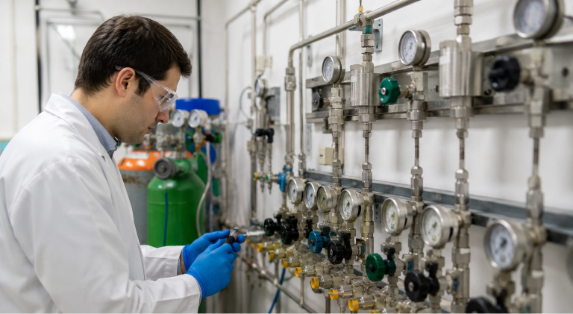
A modern Laboratory Gas Distribution System plays a crucial role in ensuring safe, efficient, and uninterrupted gas delivery across laboratories, research facilities, pharmaceutical units, hospitals, and industrial testing environments. These systems are designed to transport gases such as nitrogen, oxygen, helium, hydrogen, carbon dioxide, and specialty gases from centralized storage areas to multiple laboratory workstations through a controlled pipeline network. In today’s technologically advanced laboratories, maintaining consistent gas flow, pressure stability, and gas purity is essential for achieving accurate experimental and analytical results.
As laboratories continue to evolve with automation and precision-driven equipment, the demand for highly reliable laboratory gas pipeline systems has increased significantly. However, despite technological advancements, many facilities still encounter operational problems related to gas leakage, pressure instability, contamination, corrosion, poor maintenance, and system design failures. These issues not only affect laboratory productivity but also create safety hazards that can threaten personnel and sensitive laboratory instruments.
A properly engineered centralized gas distribution system helps laboratories minimize risks, improve operational efficiency, and reduce long-term maintenance costs. Organizations today are focusing on installing smart monitoring technologies, leak detection systems, automated shut-off mechanisms, and ultra-high purity gas delivery systems to improve laboratory performance. Companies such as Ziebaq are helping modern laboratories adopt advanced infrastructure solutions that meet safety standards while ensuring long-term operational reliability.
Understanding the common problems in laboratory gas systems and implementing effective preventive solutions is critical for laboratories that rely heavily on continuous gas supply. This article explores the major challenges faced by laboratory gas distribution systems, their causes, and practical solutions that laboratories can implement to maintain efficiency, safety, and compliance in today’s competitive scientific and industrial environments.
Gas Leakage Problems in Laboratory Gas Distribution Systems
Gas leakage is one of the most serious and commonly encountered problems in a Laboratory Gas Distribution System. Even a small leak can lead to significant safety hazards, increased operational costs, gas wastage, inaccurate analytical results, and potential damage to laboratory equipment. In laboratories where flammable, toxic, or high-pressure gases are used, gas leakage can create extremely dangerous conditions that may result in fire hazards, explosions, or harmful exposure to personnel.
Several factors contribute to leakage issues in laboratory gas pipeline systems. Aging pipelines, poor installation practices, damaged fittings, loose connections, worn-out valves, corroded tubing, and low-quality regulators are some of the most common causes. Over time, pipeline joints and connectors may weaken due to pressure variations and environmental conditions, increasing the chances of leakage. In older facilities, lack of preventive maintenance further increases the risk of undetected gas leaks.
To minimize leakage risks, laboratories should implement regular leak testing and inspection procedures. Leak detection technologies such as gas sensors, pressure monitoring systems, and automated alarm systems can quickly identify abnormalities before they become dangerous. Modern laboratories are increasingly investing in smart leak detection systems that provide real-time monitoring and remote alerts to maintenance teams. These systems help prevent accidents while reducing unnecessary gas consumption.
Using high-quality stainless steel tubing and corrosion-resistant components can significantly improve the durability and reliability of laboratory gas systems. Proper installation by experienced professionals is equally important to ensure that all connections are secure and compliant with industry standards. Companies like Ziebaq provide advanced laboratory gas solutions designed to improve safety, minimize leakage risks, and enhance overall operational efficiency.
Preventive maintenance programs, regular inspections, and employee safety training are essential for maintaining a secure laboratory environment. By proactively addressing gas leakage issues, laboratories can improve safety, reduce operational disruptions, and ensure consistent performance from their centralized gas distribution systems.
Pressure Instability and Flow Regulation Challenges
Maintaining stable pressure is essential for the effective functioning of any Laboratory Gas Distribution System. Many laboratory instruments, including gas chromatographs, spectrometers, incubators, and analytical testing equipment, rely on a continuous and consistent gas supply to produce accurate and reliable results. Pressure fluctuations can compromise experimental accuracy, damage sensitive instruments, and interrupt laboratory operations, leading to increased downtime and reduced productivity.
Pressure instability in laboratory gas pipeline systems often occurs due to poor system design, incorrect regulator selection, undersized pipelines, excessive gas demand, or clogged filters. In some cases, laboratories expand operations without upgrading their gas distribution infrastructure, causing pressure drops during peak usage periods. Faulty pressure regulators and poorly calibrated valves can also create inconsistent gas flow throughout the system.
One of the most effective ways to prevent pressure-related issues is to design the gas distribution network according to the laboratory’s operational requirements. Proper pipe sizing, balanced flow distribution, and pressure regulation are critical for ensuring stable gas delivery. Laboratories should also invest in high-quality pressure regulators and flow control systems capable of maintaining accurate gas pressure levels under varying workloads.
Modern laboratory gas distribution systems increasingly incorporate digital pressure monitoring technologies that provide real-time performance tracking and automated alerts. These smart systems allow laboratory operators to identify pressure abnormalities early and take corrective action before equipment performance is affected. Automated pressure stabilization systems can further improve reliability by maintaining consistent flow rates across multiple workstations.
Regular calibration and maintenance of regulators, valves, and monitoring devices are essential for long-term performance. Laboratories should also conduct periodic inspections to identify blockages, worn-out components, or damaged pipelines that may affect gas flow stability. Companies such as Ziebaq help laboratories implement advanced pressure management solutions that improve system reliability, safety, and operational efficiency.
By maintaining stable gas pressure and optimizing flow regulation, laboratories can enhance analytical accuracy, reduce equipment failures, and improve the overall performance of their laboratory gas pipeline systems.
Gas Contamination and Purity Issues in Laboratory Gas Systems
Gas purity is one of the most important factors influencing the performance of a Laboratory Gas Distribution System. In research laboratories, pharmaceutical manufacturing facilities, biotechnology centers, and analytical testing environments, even minor gas contamination can compromise experimental results, damage expensive equipment, and negatively affect product quality. Maintaining ultra-high purity gas delivery is essential for laboratories that depend on precision and consistency in their operations.
Gas contamination can occur due to several reasons, including moisture infiltration, oil contamination, corroded pipelines, poor cylinder handling practices, low-quality tubing materials, and improperly maintained gas systems. Contaminants such as dust particles, water vapor, hydrocarbons, and atmospheric gases can enter the pipeline network and affect sensitive laboratory instruments. Over time, contamination can also reduce the lifespan of equipment and increase maintenance requirements.
One of the most effective solutions for contamination prevention is the use of stainless steel tubing in laboratory gas pipeline systems. Stainless steel offers excellent corrosion resistance and minimizes the risk of particle generation inside pipelines. High-purity gas filters and purification systems should also be installed to remove impurities before gases reach laboratory instruments. Regular cleaning and inspection of gas lines further help maintain purity standards.
Proper gas cylinder storage and handling procedures are equally important. Cylinders should be stored in clean, dry, and ventilated environments to prevent contamination caused by environmental exposure. Laboratories should also ensure that gas cylinders are sourced from certified suppliers that meet quality and purity standards.
Advanced monitoring technologies now allow laboratories to continuously track gas purity levels in real time. Automated monitoring systems can detect contamination early and trigger alerts before laboratory operations are affected. Providers like Ziebaq support laboratories with high-quality gas delivery infrastructure designed to maintain purity, improve operational reliability, and ensure compliance with industry standards.
By prioritizing gas purity and implementing preventive contamination control measures, laboratories can maintain analytical accuracy, improve operational efficiency, and protect valuable scientific equipment from long-term damage.
Importance of Preventive Maintenance and Smart Monitoring
Preventive maintenance is essential for ensuring the reliability, efficiency, and safety of any Laboratory Gas Distribution System. Many laboratories focus heavily on day-to-day operations while overlooking regular inspection and maintenance procedures. Unfortunately, neglecting maintenance can lead to gas leaks, pressure instability, contamination, equipment failure, increased operational costs, and unexpected downtime. In laboratories where continuous gas supply is critical, even minor system failures can significantly disrupt research and production activities.
A well-planned preventive maintenance program helps laboratories identify potential issues before they become major problems. Routine maintenance activities typically include leak testing, pressure checks, valve inspections, regulator calibration, pipeline cleaning, filter replacement, and alarm system verification. These inspections help maintain stable gas flow, preserve gas purity, and extend the lifespan of system components.
Modern laboratory gas pipeline systems are increasingly integrating smart monitoring technologies to improve maintenance efficiency. Digital monitoring systems provide real-time insights into gas pressure, flow rates, consumption patterns, and leak detection. Automated alerts notify laboratory personnel when abnormalities are detected, allowing rapid corrective action. This proactive approach minimizes downtime and improves operational continuity.
Smart gas monitoring systems also support predictive maintenance strategies. By analyzing system performance data, laboratories can anticipate component failures before they occur. Predictive maintenance reduces repair costs, prevents emergency shutdowns, and improves overall laboratory productivity. In highly regulated industries such as pharmaceuticals and biotechnology, maintaining reliable gas infrastructure is especially important for meeting compliance and quality standards.
Companies like Ziebaq provide advanced laboratory gas solutions equipped with intelligent monitoring and safety technologies that help laboratories optimize performance and maintain safe working environments. Their expertise in system design, installation, and maintenance supports laboratories in achieving long-term operational reliability.
As laboratories continue adopting automation and smart infrastructure, preventive maintenance and digital monitoring will become increasingly important for managing modern laboratory gas distribution systems efficiently and safely.
Conclusion
A reliable Laboratory Gas Distribution System is essential for maintaining laboratory safety, operational efficiency, and analytical accuracy in today’s advanced scientific and industrial environments. However, laboratories often face several challenges, including gas leaks, pressure instability, contamination, corrosion, equipment failures, and inadequate maintenance practices. These problems can disrupt laboratory operations, increase costs, compromise research quality, and create serious safety risks for personnel and equipment.
To overcome these challenges, laboratories must adopt proactive strategies focused on preventive maintenance, proper system design, high-quality materials, and smart monitoring technologies. Regular inspections, leak detection systems, pressure regulation equipment, and contamination control measures help ensure stable gas delivery and long-term reliability. Modern laboratory gas pipeline systems are increasingly incorporating automation and digital monitoring to improve operational efficiency and reduce manual intervention.
Investing in advanced gas distribution infrastructure not only improves laboratory performance but also helps organizations meet safety regulations and industry compliance standards. As laboratories expand and technology evolves, scalable and intelligent gas management solutions will become even more important for supporting modern research and production activities.
Trusted providers like Ziebaq continue to support laboratories with innovative and efficient gas distribution solutions tailored to the needs of pharmaceutical, research, healthcare, and industrial facilities. Their expertise in designing, installing, and maintaining centralized laboratory gas systems helps organizations improve safety, optimize performance, and reduce operational risks.
In the future, smart laboratories equipped with AI-powered monitoring, predictive maintenance systems, and energy-efficient gas infrastructure will redefine how laboratory gas systems are managed. By understanding common problems and implementing effective solutions today, laboratories can build safer, more efficient, and future-ready environments for scientific innovation and industrial excellence.