Introduction to HVAC Systems in Modern Clean Room Environments
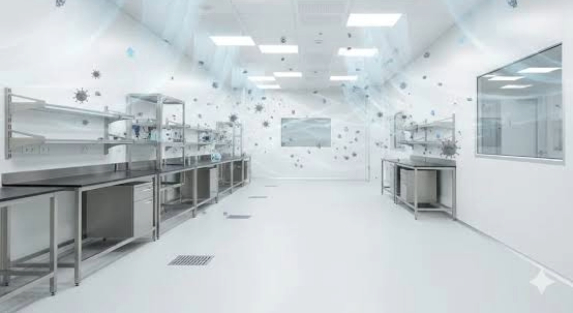
In today’s highly regulated industrial landscape, maintaining a controlled environment is critical for sectors such as pharmaceuticals, biotechnology, electronics, semiconductor manufacturing, healthcare, and food processing. Clean rooms are specially designed environments where airborne particles, humidity, temperature, and contamination levels are tightly controlled to ensure operational safety and product quality. At the heart of every efficient clean room lies a sophisticated HVAC system that regulates environmental conditions and maintains cleanliness standards. Without a properly engineered HVAC infrastructure, even the most advanced clean room can fail to meet regulatory compliance and operational expectations.
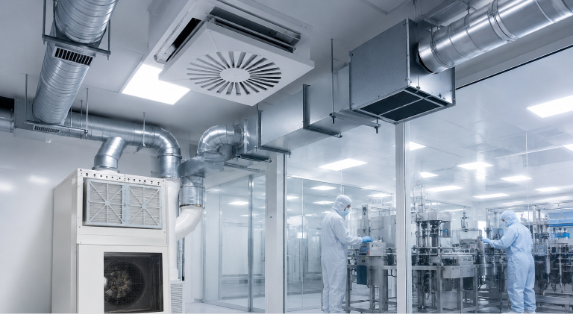
Modern Clean Rooms Solutions rely heavily on HVAC technologies to create contamination-free environments that support precision manufacturing and sensitive research activities. HVAC systems in clean rooms do far more than simply provide heating or cooling. They are responsible for controlling airflow patterns, maintaining pressure differentials, filtering airborne particles, and regulating humidity and temperature with extreme accuracy. These functions directly impact product quality, employee safety, and manufacturing efficiency.
As industries continue adopting automation and advanced production technologies, the importance of intelligent HVAC-integrated clean room solutions has increased significantly. Organizations now seek energy-efficient and technologically advanced systems capable of maintaining strict environmental standards while reducing operational costs. Companies like Ziebaq are helping businesses implement advanced clean room infrastructures equipped with reliable HVAC systems tailored to specific industrial requirements.
The performance of a clean room depends largely on how effectively the HVAC system can maintain stable environmental conditions. Poor airflow management, incorrect humidity levels, or inadequate filtration can result in contamination risks, regulatory violations, and product failures. This is why HVAC systems are often considered the backbone of modern clean room operations.
The Role of Air Filtration in Clean Room Performance
Air filtration is one of the most essential functions of HVAC systems in clean rooms because airborne contamination is one of the biggest threats to controlled environments. Tiny particles, microbes, dust, and chemical contaminants can compromise product quality, disrupt manufacturing processes, and create safety hazards. HVAC systems are specifically engineered to remove these contaminants and maintain clean air circulation throughout the facility. Effective filtration systems are a fundamental component of advanced Clean Rooms Solutions used in pharmaceutical plants, biotechnology laboratories, medical device manufacturing units, and semiconductor fabrication facilities.
The most commonly used filters in clean rooms are HEPA and ULPA filters. HEPA filters are designed to capture 99.97% of airborne particles as small as 0.3 microns, making them highly effective for pharmaceutical and healthcare clean rooms. ULPA filters provide even greater filtration efficiency and are widely used in industries where ultra-clean environments are required, such as semiconductor manufacturing and nanotechnology research. HVAC systems continuously circulate air through these filters to maintain consistent air purity levels.
In addition to filter quality, the placement and maintenance of filtration systems significantly impact clean room performance. Dirty or damaged filters can reduce airflow efficiency and allow contaminants to accumulate inside the facility. This can lead to product contamination, failed inspections, and increased operational risks. For this reason, modern clean room technologies include automated filter monitoring systems that detect pressure changes and indicate when maintenance is required.
Advanced providers like Ziebaq focus on integrating high-performance filtration systems within HVAC infrastructure to ensure long-term contamination control. Proper filtration design not only improves product quality but also supports compliance with international standards such as ISO 14644 and GMP guidelines. As industries demand cleaner and safer production environments, efficient air filtration remains one of the most important aspects of successful clean room operations.
Airflow Management and Contamination Control
Airflow management is another critical factor that determines the effectiveness of clean room HVAC systems. In controlled environments, airflow patterns must be carefully engineered to prevent the accumulation of contaminants and ensure continuous particle removal. Poor airflow design can create dead zones where particles settle, increasing contamination risks and reducing operational efficiency. Modern Clean Rooms Solutions are designed with advanced airflow control strategies that maintain stable environmental conditions and improve overall clean room performance.
There are two primary airflow methods used in clean rooms: laminar airflow and turbulent airflow. Laminar airflow systems move filtered air in a uniform direction at a constant speed. This method minimizes turbulence and helps push contaminants away from sensitive areas. Laminar airflow is commonly used in semiconductor manufacturing, pharmaceutical filling operations, and sterile laboratory environments where extremely high cleanliness levels are required.
Turbulent airflow systems, on the other hand, distribute clean air throughout the room using mixing techniques that dilute contaminants. While turbulent airflow is generally more cost-effective, it is typically used in clean rooms with lower cleanliness classifications. HVAC engineers must carefully select the appropriate airflow strategy based on industry requirements, room classification, and operational processes.
Airflow velocity and air changes per hour are also important considerations. Clean rooms often require a high number of air changes per hour to maintain low particle concentrations. HVAC systems continuously remove contaminated air and replace it with filtered air to sustain cleanliness standards. Inadequate airflow rates can result in contamination buildup and unstable environmental conditions.
Companies like Ziebaq provide customized HVAC-integrated clean room solutions that optimize airflow performance for different industrial applications. Proper airflow management not only enhances contamination control but also improves operational consistency, employee safety, and regulatory compliance. As industries become increasingly dependent on precision manufacturing, effective airflow engineering remains a key component of clean room success.
Temperature and Humidity Control in Clean Rooms
Temperature and humidity control are essential components of clean room HVAC systems because environmental fluctuations can directly impact manufacturing quality, equipment performance, and contamination levels. Different industries require different environmental conditions depending on the sensitivity of products and operational processes. Modern Clean Rooms Solutions use advanced HVAC systems to maintain highly stable temperature and humidity levels that support both operational efficiency and regulatory compliance.
Temperature control is particularly important in pharmaceutical manufacturing, biotechnology laboratories, and semiconductor production facilities. Excessive heat can damage sensitive products, affect chemical stability, and reduce equipment performance. In electronic manufacturing, high temperatures can negatively impact circuit integrity and precision assembly processes. HVAC systems continuously regulate indoor temperatures to maintain optimal production conditions while ensuring employee comfort and safety.
Humidity control is equally important because improper moisture levels can create several operational challenges. Low humidity levels can generate static electricity, which is especially dangerous in semiconductor and electronics manufacturing environments. Static discharge can damage microchips and electronic components, resulting in costly production losses. High humidity, on the other hand, can encourage microbial growth, condensation, and material degradation. This is particularly concerning in pharmaceutical and healthcare clean rooms where contamination risks must be minimized.
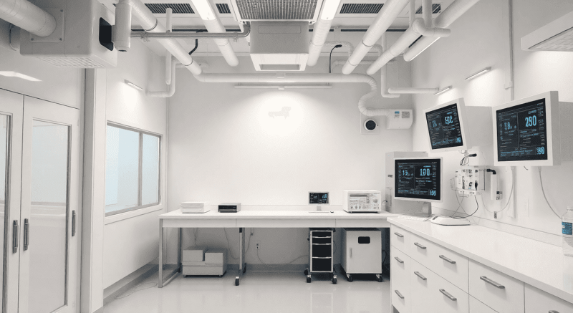
Advanced HVAC systems use humidifiers, dehumidifiers, and automated sensors to maintain precise environmental conditions. Real-time monitoring technologies allow operators to detect changes instantly and make adjustments before conditions become unstable. Intelligent environmental control systems are now becoming standard in modern clean room technologies due to their ability to improve consistency and reduce human error.
Organizations increasingly rely on experienced providers like Ziebaq to implement reliable HVAC systems capable of maintaining strict temperature and humidity standards. Proper environmental control enhances product quality, supports regulatory compliance, and ensures long-term operational stability. As clean room standards continue evolving, precise temperature and humidity management will remain a crucial aspect of high-performance clean room environments.
HVAC Systems, Compliance, and the Future of Clean Room Technology
Regulatory compliance is one of the most important reasons why HVAC systems are essential in clean room operations. Industries such as pharmaceuticals, biotechnology, healthcare, and electronics must comply with strict international standards related to contamination control and environmental stability. HVAC systems directly influence whether a clean room can achieve and maintain these regulatory requirements. Modern Clean Rooms Solutions are therefore designed not only for operational efficiency but also for long-term compliance with global standards.
Clean rooms are commonly evaluated under standards such as ISO 14644, GMP guidelines, FDA regulations, and EU clean room requirements. These standards specify acceptable particle counts, airflow performance, pressure differentials, temperature ranges, and humidity levels. HVAC systems play a central role in maintaining all these environmental parameters. During clean room certification and validation processes, inspectors carefully assess HVAC performance to determine whether the facility meets required standards.
Pressure differential control is especially important for compliance. Positive pressure clean rooms prevent contaminants from entering controlled areas, while negative pressure rooms prevent hazardous substances from escaping into surrounding spaces. Accurate pressure balancing is necessary to maintain containment and ensure operational safety. Advanced HVAC systems use automated sensors and monitoring technologies to maintain stable pressure conditions continuously.
The future of clean room HVAC technology is rapidly evolving with the introduction of automation, artificial intelligence, and smart monitoring systems. Modern facilities now use IoT-enabled sensors and AI-driven analytics to optimize airflow, detect contamination risks, and predict maintenance requirements before failures occur. These technologies improve operational reliability while reducing downtime and energy consumption.
Sustainability is also becoming a major focus in modern clean room solutions. Energy-efficient HVAC systems with variable air volume controls, energy recovery units, and smart automation features help reduce operational costs and environmental impact. Companies like Ziebaq are contributing to this transformation by delivering advanced HVAC-integrated clean room systems designed for performance, compliance, and sustainability.
As industrial requirements become more complex and contamination standards continue to rise, HVAC systems will remain the foundation of clean room performance. Businesses investing in intelligent and energy-efficient clean room technologies will be better positioned to maintain product quality, regulatory compliance, and long-term operational success.