Introduction to Smart Laboratory Storage Systems
The modern laboratory environment is undergoing a major transformation due to rapid advancements in technology, automation, and safety regulations. Laboratories today handle a wide variety of hazardous chemicals, reactive substances, and sensitive materials that require precise storage conditions and continuous monitoring. Traditional storage methods are no longer enough to meet the increasing safety expectations and operational demands of modern industries. This growing need for advanced safety infrastructure has led to the rise of smart Lab Chemical Storage Cabinets that combine intelligent monitoring systems with high-performance storage capabilities..
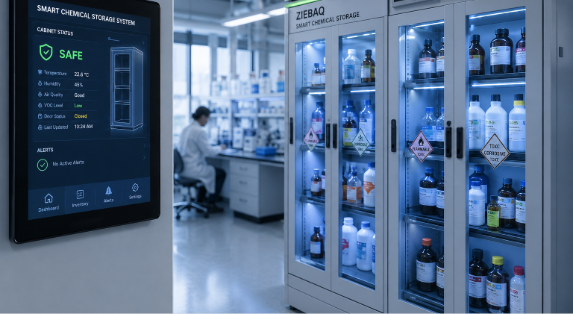
Smart chemical storage technology is becoming increasingly important in pharmaceutical facilities, biotechnology laboratories, hospitals, research centers, universities, and industrial manufacturing plants. Unlike conventional cabinets, smart laboratory chemical storage cabinets are equipped with digital systems that monitor environmental conditions, track chemical inventories, and alert personnel to potential hazards in real time. These advanced solutions are helping laboratories minimize risks, improve compliance, and streamline operations more effectively than ever before.
The future of laboratory management depends heavily on automation and intelligent safety systems. Smart storage cabinets are a major part of this evolution because they provide proactive safety measures rather than relying only on manual inspections and human oversight. Modern laboratories are now prioritizing storage solutions that can integrate with broader laboratory management systems while supporting sustainability and efficiency goals.
As safety regulations continue to become stricter worldwide, organizations are seeking reliable solutions from trusted providers like Ziebaq. The company is contributing to the advancement of intelligent storage systems by offering innovative Lab Chemical Storage Cabinets designed to meet the evolving needs of modern laboratories. With the integration of technology, automation, and smart monitoring features, the future of chemical storage is becoming safer, smarter, and more efficient for laboratories across multiple industries.
Evolution of Traditional Chemical Storage Cabinets
Chemical storage cabinets have been used in laboratories for decades to provide safe containment for hazardous materials and prevent accidents caused by improper storage practices. Traditional cabinets were primarily designed to separate chemicals, reduce fire risks, and provide physical protection against spills or leaks. While these cabinets offered basic safety benefits, they lacked the advanced monitoring and automation capabilities needed for modern laboratory operations. As laboratory environments became more complex, the limitations of traditional storage systems became increasingly noticeable.
Conventional Lab Chemical Storage Cabinets require manual inspection and monitoring to ensure safe conditions are maintained. Laboratory personnel must regularly check temperature levels, humidity conditions, chemical compatibility, and inventory records. Human error during these processes can result in serious safety incidents, including chemical reactions, contamination, toxic exposure, and even explosions. In high-risk environments where large quantities of hazardous substances are handled daily, manual management methods are no longer sufficient to guarantee complete safety.
Another challenge with older storage systems is the lack of real-time alerts and automated reporting. Traditional cabinets cannot notify laboratory managers when unsafe conditions develop. This delay in identifying potential hazards increases the likelihood of accidents and costly operational disruptions. Additionally, many laboratories struggle to maintain accurate compliance documentation using manual tracking methods.
To overcome these limitations, manufacturers began integrating technology into storage solutions. This led to the development of smart laboratory chemical storage cabinets equipped with sensors, digital monitoring tools, automated ventilation systems, and cloud-based inventory management platforms. These innovations allow laboratories to monitor safety conditions continuously while improving operational efficiency.
Today, organizations are moving toward intelligent storage infrastructure that provides both physical protection and advanced digital oversight. Companies like Ziebaq are supporting this transition by developing modern Lab Chemical Storage Cabinets that combine durable construction with smart technology. The evolution from traditional cabinets to intelligent storage systems represents a major step forward in laboratory safety and risk management.
Key Technologies Powering Smart Chemical Storage Cabinets
The future of smart Lab Chemical Storage Cabinets is being shaped by several advanced technologies that are transforming laboratory safety and operational management. These technologies help laboratories reduce risks, improve efficiency, and maintain regulatory compliance through automation and real-time monitoring. Intelligent storage systems are no longer simple containment units; they are becoming integrated safety platforms that support the entire laboratory ecosystem.
One of the most important innovations is the Internet of Things (IoT). IoT-enabled chemical storage cabinets use connected sensors to monitor critical environmental conditions such as temperature, humidity, air quality, and vapor levels. If unsafe conditions are detected, the system can immediately send alerts to laboratory managers through mobile devices or cloud-based dashboards. This allows laboratories to respond quickly before minor issues escalate into major hazards.
Artificial intelligence is also playing an increasingly important role in smart laboratory storage systems. AI-powered software can analyze chemical usage patterns, detect unusual behavior, and predict potential safety risks. For example, intelligent systems can identify improper chemical segregation or forecast equipment maintenance needs before failures occur. This predictive capability helps laboratories improve both safety and operational continuity.
Automated inventory management is another major advancement in modern laboratory chemical storage cabinets. RFID tracking, barcode systems, and cloud-based inventory software allow laboratories to maintain accurate chemical records in real time. Staff can quickly locate chemicals, monitor stock levels, and receive notifications about expiration dates or low inventory. This reduces waste and simplifies compliance reporting.
Advanced access control systems are also becoming standard in smart storage cabinets. Features such as biometric authentication, RFID card access, and digital activity logs ensure that only authorized personnel can access hazardous substances. These systems enhance laboratory security while maintaining detailed records for audits and investigations.
Companies like Ziebaq are embracing these technologies to create innovative Lab Chemical Storage Cabinets that meet the demands of modern laboratories. As digital transformation continues to reshape laboratory operations, smart storage systems will become even more intelligent, automated, and interconnected in the years ahead.
Benefits of Smart Lab Chemical Storage Cabinets
Smart Lab Chemical Storage Cabinets provide numerous benefits that go beyond traditional chemical containment. Modern laboratories are increasingly adopting intelligent storage systems because they improve safety, enhance operational efficiency, reduce long-term costs, and simplify compliance management. These advantages make smart chemical storage cabinets an essential investment for laboratories handling hazardous substances and sensitive materials.
The most important benefit is enhanced laboratory safety. Intelligent cabinets continuously monitor environmental conditions and detect potential hazards in real time. Sensors can identify temperature fluctuations, humidity changes, toxic vapor buildup, leaks, or ventilation failures before they become dangerous. Automated alert systems notify laboratory personnel immediately, allowing rapid corrective action. This proactive approach significantly reduces the risk of fires, explosions, contamination, and chemical exposure incidents.
Operational efficiency is another major advantage of smart laboratory chemical storage cabinets. Automated inventory management systems reduce the need for manual tracking and documentation. Laboratory staff can quickly locate chemicals, monitor stock levels, and manage expiration dates using digital platforms. This saves time, minimizes human error, and improves overall workflow efficiency. Laboratories can focus more on research and productivity instead of spending hours managing storage records manually.
Regulatory compliance has become increasingly complex for laboratories across industries. Smart storage systems simplify compliance by automatically generating digital reports, tracking inspections, and maintaining detailed usage records. These features help laboratories meet safety standards established by regulatory organizations while reducing administrative burdens. Accurate documentation also improves accountability during audits and safety inspections.
Long-term cost savings are another important benefit. Although smart Lab Chemical Storage Cabinets require a higher initial investment, they help laboratories avoid costly accidents, reduce chemical waste, lower insurance risks, and minimize equipment damage. Predictive maintenance features also help prevent unexpected system failures and expensive repairs.
Companies like Ziebaq are helping laboratories achieve these benefits by offering advanced storage solutions that combine durability, technology, and intelligent safety features. As laboratories continue modernizing their operations, smart chemical storage cabinets will play a crucial role in improving safety, efficiency, and sustainability across scientific and industrial environments.
Sustainability and the Future of Eco-Friendly Chemical Storage
Sustainability has become one of the most important priorities in laboratory design and infrastructure planning. Laboratories consume significant amounts of energy and generate hazardous waste, making environmentally responsible practices increasingly essential. The future of smart Lab Chemical Storage Cabinets is closely connected to sustainability because modern storage solutions are being designed to reduce environmental impact while maintaining high safety standards.
One of the major sustainability improvements in modern laboratory chemical storage cabinets is energy efficiency. Traditional ventilation systems often consume large amounts of electricity due to continuous operation. Smart storage cabinets now use intelligent airflow management systems that adjust ventilation levels automatically based on environmental conditions. This reduces unnecessary energy consumption while maintaining safe storage conditions for hazardous chemicals.
Eco-friendly manufacturing materials are also becoming more common in smart storage cabinet production. Manufacturers are increasingly using recyclable metals, low-emission coatings, and sustainable construction processes to reduce environmental impact. These materials not only support green building initiatives but also improve the durability and lifespan of storage systems.
Another important sustainability feature is waste reduction through smart inventory management. Automated tracking systems help laboratories monitor chemical usage more accurately, preventing over-purchasing and reducing expired chemical waste. Laboratories can maintain optimal inventory levels while improving operational efficiency and lowering disposal costs.
Cloud-based monitoring systems also contribute to sustainability by reducing paper usage and manual documentation. Digital compliance records, inspection reports, and inventory logs eliminate the need for excessive paperwork while improving accessibility and accuracy. This transition toward digital laboratory management supports broader environmental goals.
As governments and organizations place greater emphasis on sustainable infrastructure, laboratories are increasingly seeking storage solutions that align with environmental standards and green certification programs. Companies like Ziebaq recognize the growing importance of combining safety, innovation, and sustainability in modern laboratory environments. By developing advanced Lab Chemical Storage Cabinets with intelligent energy management and eco-friendly design features, Ziebaq is supporting laboratories in their efforts to build safer and more environmentally responsible facilities.
The future of chemical storage will focus not only on protection and efficiency but also on sustainability and responsible resource management for long-term environmental benefits.
Challenges and Future Opportunities in Smart Chemical Storage
Although smart Lab Chemical Storage Cabinets offer significant advantages, laboratories may still face several challenges when adopting intelligent storage technologies. As with any advanced system, implementation requires careful planning, investment, and staff training to ensure successful integration into laboratory operations. However, these challenges also create opportunities for innovation and future growth within the laboratory safety industry.
One of the primary challenges is the higher upfront cost associated with smart laboratory chemical storage cabinets. Intelligent systems equipped with sensors, automated controls, cloud connectivity, and AI-powered monitoring features are generally more expensive than traditional cabinets. Smaller laboratories or educational institutions with limited budgets may hesitate to adopt these technologies despite their long-term benefits. However, as technology becomes more widely available and manufacturing costs decrease, smart storage solutions are expected to become more affordable in the future.
Another challenge involves integrating smart cabinets with existing laboratory infrastructure. Some facilities may operate older management systems that are not compatible with advanced storage technologies. Laboratories may need to upgrade their digital networks or software platforms to support real-time monitoring and automated inventory systems. Proper staff training is also essential because employees must understand how to operate and maintain intelligent storage systems effectively.
Cybersecurity has become another important consideration as laboratories increasingly rely on connected devices and cloud-based management platforms. Smart cabinets that store sensitive laboratory data must be protected against unauthorized access and cyber threats. Manufacturers are now focusing on developing stronger digital security measures to ensure safe and reliable operation.
Despite these challenges, the future opportunities for smart chemical storage systems are enormous. Advancements in artificial intelligence, robotics, automation, and predictive analytics will continue to improve laboratory safety and efficiency. Future Lab Chemical Storage Cabinets may include robotic chemical handling systems, voice-controlled operations, and fully autonomous inventory management capabilities.
Companies like Ziebaq are helping shape this future by developing innovative laboratory storage solutions that combine intelligent technology with practical safety features. As laboratories continue embracing digital transformation, smart chemical storage cabinets will become an essential part of safer, more efficient, and technologically advanced laboratory environments worldwide.
Conclusion
The future of smart Lab Chemical Storage Cabinets represents a major transformation in laboratory safety, efficiency, and operational management. As laboratories become more technologically advanced and safety regulations continue to evolve, intelligent storage systems are emerging as essential infrastructure for handling hazardous chemicals and sensitive materials. Traditional storage methods are no longer capable of meeting the growing demands of modern scientific, pharmaceutical, industrial, and educational environments.
Smart laboratory chemical storage cabinets provide far more than physical containment. Through technologies such as IoT monitoring, artificial intelligence, automated inventory management, advanced access control, and predictive safety systems, these cabinets actively help laboratories prevent accidents before they occur. Real-time alerts, digital compliance reporting, and intelligent environmental monitoring significantly improve workplace safety while reducing human error and operational risks.
The benefits of these advanced storage systems extend beyond safety alone. Laboratories also gain improved efficiency, reduced waste, streamlined compliance processes, and long-term financial savings. Sustainable innovations such as energy-efficient ventilation systems and eco-friendly materials further strengthen the value of smart storage solutions in modern laboratory design.
Although challenges such as implementation costs, staff training, and cybersecurity concerns remain, the long-term advantages of intelligent storage technologies continue to drive widespread adoption across industries. As technology continues advancing, future Lab Chemical Storage Cabinets are expected to become even more integrated, automated, and capable of supporting fully connected laboratory ecosystems.
Companies like Ziebaq are playing an important role in this evolution by delivering innovative chemical storage solutions designed for the future of laboratory operations. By combining safety, durability, technology, and sustainability, Ziebaq supports laboratories in creating secure and efficient working environments that meet modern industry standards.
The future of chemical storage is no longer limited to simple containment. It is now defined by intelligent monitoring, automation, predictive safety, and sustainable innovation. Smart laboratory chemical storage cabinets will continue shaping the future of laboratory infrastructure for years to come.