Walk into any laboratory and you’ll notice something subtle but critical—how chemicals are stored. It’s not just about neatly arranged bottles on shelves; it’s about safety, compliance, and protecting the people who work there every day. Poor chemical storage can lead to accidents, contamination, or even long-term health hazards. On the other hand, well-managed storage creates a workspace that feels controlled, efficient, and safe.
Let’s break down 10 essential chemical storage practices that every lab—whether small or large—should follow.
1. Segregate Chemicals by Compatibility
One of the most fundamental principles of chemical storage is segregation based on compatibility. In a laboratory setting, not all chemicals can be stored together safely. Certain substances react violently when combined, even in small quantities or through vapor contact. For example, storing acids near bases or oxidizers near flammable materials can significantly increase the risk of fire, explosion, or toxic gas release. That is why organizing chemicals alphabetically, although convenient, is not a safe practice in professional environments.
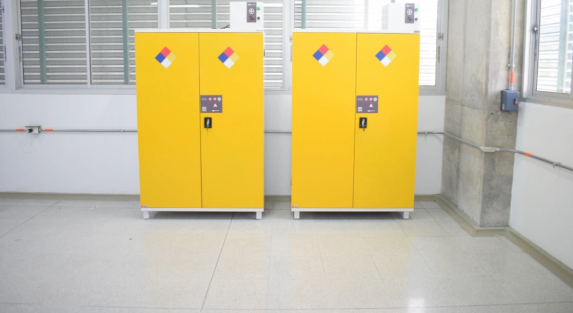
A well-structured storage system groups chemicals into specific hazard classes such as acids, bases, flammables, oxidizers, and toxic substances. Each category should be assigned a designated storage area, preferably using clearly labeled cabinets or shelves. In high-risk environments, additional physical barriers or secondary containment systems may be used to further isolate incompatible substances.
Segregation also involves understanding Safety Data Sheets (SDS) for each chemical, as these documents provide critical information about reactivity and storage requirements. Laboratory personnel should be trained to interpret these guidelines and apply them consistently. Proper segregation minimizes the likelihood of accidental mixing, especially during handling or in the event of a spill.
In practical terms, this approach not only enhances safety but also improves workflow. When chemicals are organized logically, it becomes easier to locate materials quickly without unnecessary handling. Ultimately, segregating chemicals by compatibility is not just a precaution—it is a proactive strategy that protects both people and the laboratory environment from avoidable hazards.
2. Use Proper Labeling at All Times
Accurate and consistent labeling is the backbone of safe chemical storage. Every container, regardless of size or usage frequency, must clearly indicate what it contains and the associated hazards. In a busy laboratory, where multiple individuals may handle the same substances, labels act as the first line of communication and risk prevention. Without proper labeling, even experienced professionals may unknowingly misuse or mishandle a chemical, leading to serious consequences.
A standard chemical label should include the full chemical name, hazard classification, concentration (if applicable), and the date of receipt or preparation. In some cases, it may also include handling instructions or emergency measures. Labels should be legible, durable, and resistant to environmental factors such as moisture, heat, or chemical exposure. Faded or damaged labels must be replaced immediately to maintain clarity.
It is equally important to label secondary containers. When chemicals are transferred from their original packaging into smaller bottles or working containers, the new container must carry the same level of information. Assuming that someone will remember what is inside is a common and dangerous mistake.
Proper labeling also supports regulatory compliance, as many safety standards require detailed identification of hazardous materials. More importantly, it builds a culture of accountability within the laboratory. When every item is clearly marked, it reduces confusion, enhances efficiency, and ensures that safety protocols are consistently followed.
In essence, labeling is not just an administrative task—it is a critical safety measure that safeguards both individuals and operations.
3. Store Chemicals in Approved Containers
The choice of storage containers plays a crucial role in maintaining chemical stability and preventing accidents. Chemicals should always be stored in containers that are specifically designed and approved for their properties. Using incompatible or substandard containers can lead to corrosion, leakage, or even dangerous reactions between the container material and the chemical itself.
Approved containers are typically made from materials such as high-density polyethylene, borosilicate glass, or specialized metals, depending on the chemical being stored. These materials are selected for their resistance to specific types of chemicals, ensuring that the integrity of both the container and its contents is maintained over time. For example, strong acids require corrosion-resistant containers, while light-sensitive chemicals may need amber-colored bottles to prevent degradation.
Reusing containers without proper verification is a common mistake that can have serious consequences. Even trace residues from previous contents can react with new chemicals, creating unexpected hazards. Therefore, it is essential to use containers that are either new or thoroughly cleaned and certified for reuse.
Sealing mechanisms are equally important. Containers should have secure, leak-proof closures to prevent spills and vapor release. In addition, they should be stored upright and handled carefully to avoid damage.
By using approved containers, laboratories can significantly reduce the risk of contamination, exposure, and chemical degradation. This practice ensures that chemicals remain stable and safe throughout their storage life, contributing to a more controlled and reliable working environment.
4. Maintain Proper Ventilation
Ventilation is a critical factor in chemical storage that directly impacts both safety and air quality within a laboratory. Many chemicals release vapors or fumes that can accumulate over time, creating hazardous conditions if not properly managed. Without adequate ventilation, these airborne substances can pose health risks, increase the likelihood of fire, or even lead to explosive environments.
Proper ventilation systems are designed to continuously remove contaminated air and replace it with fresh air. This can be achieved through the use of fume hoods, exhaust systems, and ventilated storage cabinets. These systems are particularly important for storing volatile chemicals, flammable liquids, and substances that emit toxic gases.
The placement of chemicals also matters. Storage areas should be strategically located to allow for effective airflow, avoiding confined or poorly ventilated spaces. In addition, ventilation systems must be regularly inspected and maintained to ensure optimal performance. Filters should be replaced as needed, and airflow rates should be monitored to meet safety standards.
Beyond safety, proper ventilation also helps preserve the quality of stored chemicals. Excessive buildup of fumes can lead to chemical degradation or contamination, affecting experimental results. By maintaining a well-ventilated environment, laboratories can ensure both the safety of personnel and the integrity of their work.
In summary, ventilation is not just a supporting feature—it is an essential component of a comprehensive chemical storage strategy that protects both people and processes.
5. Control Temperature and Humidity
Environmental control is a key aspect of chemical storage that is often underestimated. Temperature and humidity can significantly influence the stability, reactivity, and shelf life of chemicals. When these conditions are not properly managed, even stable substances can degrade, evaporate, or become hazardous over time.
Certain chemicals require strict temperature control to remain safe and effective. For instance, volatile substances may evaporate at higher temperatures, increasing the risk of vapor accumulation and fire hazards. Similarly, some chemicals may crystallize or separate when exposed to low temperatures, altering their properties. Using temperature-controlled storage units such as refrigerators or climate-controlled cabinets helps maintain optimal conditions.
Humidity is another important factor, particularly for hygroscopic or moisture-sensitive chemicals. High humidity levels can lead to the absorption of water, causing chemical reactions, dilution, or degradation. This can compromise both safety and experimental accuracy. Dehumidifiers or sealed storage systems are often used to address this issue.
Monitoring systems play a crucial role in maintaining environmental stability. Digital sensors and alarms can provide real-time data and alerts if conditions deviate from acceptable ranges. Regular checks and maintenance ensure that these systems function effectively.
By controlling temperature and humidity, laboratories can extend the lifespan of chemicals, reduce waste, and maintain a safe working environment. This practice not only protects valuable resources but also ensures consistent and reliable results in laboratory operations.
6. Use Secondary Containment Systems
Secondary containment is an essential safeguard in chemical storage, designed to manage accidental leaks or spills effectively. Even with the best handling practices, incidents can occur due to container failure, human error, or unforeseen circumstances. Secondary containment systems act as a protective barrier, preventing hazardous substances from spreading and causing further damage.
These systems typically include trays, spill pallets, or containment cabinets that are placed beneath or around primary storage containers. Their primary function is to capture any leaked material, thereby minimizing the risk of cross-contamination and environmental exposure. This is especially important when dealing with hazardous or reactive chemicals, where even small spills can have serious consequences.
Secondary containment also simplifies cleanup procedures. By confining the spill to a specific area, it allows for quicker and safer response actions. This reduces downtime and ensures that laboratory operations can resume with minimal disruption. Additionally, it helps protect flooring, equipment, and other infrastructure from damage caused by chemical exposure.
Regulatory standards often require the use of secondary containment for certain types of chemicals, particularly those classified as hazardous. Compliance with these standards not only ensures safety but also avoids potential legal and financial penalties.
Incorporating secondary containment into your storage strategy demonstrates a proactive approach to risk management. It provides an additional layer of protection that enhances overall safety and reinforces a culture of preparedness within the laboratory.
7. Limit Quantities in Storage
Managing the quantity of chemicals stored in a laboratory is a critical aspect of risk reduction. While it may seem practical to stock large amounts of chemicals for convenience, excessive storage increases the potential for accidents, exposure, and waste. Limiting quantities ensures that only the necessary amount of chemicals is available for immediate or near-term use.
Storing smaller quantities reduces the impact of potential incidents such as spills, leaks, or fires. In the event of an accident, the severity of the situation is directly proportional to the volume of chemicals involved. By minimizing storage volumes, laboratories can significantly lower the associated risks and improve overall safety.
Inventory management becomes more efficient when quantities are controlled. It is easier to track usage, monitor expiration dates, and maintain accurate records. This reduces the likelihood of chemicals becoming outdated or unstable due to prolonged storage. A well-maintained inventory also supports better planning and resource allocation.
For chemicals that need to be stored in bulk, specialized storage facilities with enhanced safety measures should be used. These facilities are designed to handle larger volumes while maintaining strict safety standards.
Limiting chemical quantities is not about restricting operations—it is about optimizing safety and efficiency. By adopting a controlled approach to storage, laboratories can create a more manageable and secure environment that supports both productivity and compliance.
8. Implement a First-In, First-Out (FIFO) System
The First-In, First-Out (FIFO) system is a simple yet highly effective method for managing chemical inventory. It ensures that older chemicals are used before newer ones, reducing the risk of expiration, degradation, and waste. In a laboratory setting, where chemical stability is crucial, this practice plays a vital role in maintaining safety and efficiency.
Over time, many chemicals can lose their effectiveness or become unstable. Factors such as exposure to light, air, and temperature fluctuations can accelerate this process. By consistently using older stock first, laboratories can prevent the accumulation of expired or compromised substances.
Implementing a FIFO system requires proper organization and labeling. Storage areas should be arranged ისე that older items are easily accessible, while newer stock is placed behind them. Clear date markings on all containers are essential to ensure accurate tracking. Regular inventory checks help maintain the system and identify any discrepancies.
FIFO also contributes to cost efficiency. By reducing waste الناتجة from expired chemicals, laboratories can optimize their budgets and minimize unnecessary purchases. This approach aligns with sustainable practices, promoting responsible resource management.
In addition to operational benefits, FIFO enhances safety by ensuring that only viable chemicals are used in experiments. This reduces the risk of unexpected reactions or inaccurate results caused by degraded substances.
Overall, adopting a FIFO system is a practical and effective way to manage chemical storage, ensuring both safety and efficiency in laboratory operations.
9. Conduct Regular Inspections
Regular inspections are a proactive measure that ensures the ongoing safety and reliability of chemical storage systems. Rather than waiting for problems to arise, inspections allow laboratories to identify and address potential issues before they escalate into serious incidents.
During an inspection, several factors should be evaluated, including the condition of containers, the integrity of labels, and the organization of storage areas. Signs of damage such as cracks, leaks, or corrosion must be addressed immediately. Expired or unused chemicals should be properly disposed of وفق established safety guidelines.
Inspections also provide an opportunity to verify compliance with safety protocols and regulatory standards. This includes checking ventilation systems, secondary containment measures, and environmental controls. Any deviations from established procedures should be corrected promptly.
Scheduling inspections at regular intervals ensures consistency and accountability. Whether conducted weekly, monthly, or quarterly, these checks should be documented to maintain a clear record of compliance and corrective actions.
Training staff to participate in inspections fosters a culture of shared responsibility. When everyone is involved in maintaining safety standards, it creates a more vigilant and proactive work environment.
Ultimately, regular inspections are an essential component of effective chemical storage. They provide continuous oversight, reduce risks, and ensure that the laboratory remains a safe and efficient space for all activities.
10. Train Staff and Enforce Safety Protocols
Even the most advanced storage systems and safety measures are ineffective without properly trained personnel. Human factors play a significant role in laboratory safety, making training and protocol enforcement essential components of chemical storage practices.
Comprehensive training programs should cover topics such as chemical handling, storage guidelines, hazard identification, and emergency response procedures. Employees must understand how to interpret Safety Data Sheets, use personal protective equipment, and respond to incidents such as spills or exposure.
Training should not be a one-time event. Regular refresher courses ensure that staff remain updated on best practices and any changes in regulations or procedures. Hands-on training sessions can further reinforce learning by providing practical experience in a controlled environment.
Enforcing safety protocols is equally important. Clear guidelines must be established and consistently followed by all personnel. Supervisors should monitor compliance and address any deviations तुरंत to prevent unsafe practices from becoming routine.
Creating a culture of safety encourages accountability and vigilance. When employees feel responsible for their own safety and that of their colleagues, they are more likely to adhere to established protocols.
In conclusion, training and enforcement are the foundation of effective chemical storage. They ensure that all other safety measures are implemented correctly, creating a secure and well-managed laboratory environment.
Ready to Upgrade Your Chemical Storage System?
Building a safe and efficient laboratory starts with the right infrastructure and expert guidance. If you are looking to enhance your chemical storage solutions, Ziebaq offers advanced, reliable, and safety-focused laboratory systems tailored to modern needs.
Take the next step toward a safer workspace. Connect with Ziebaq today and transform your laboratory into a secure, compliant, and high-performing environment.