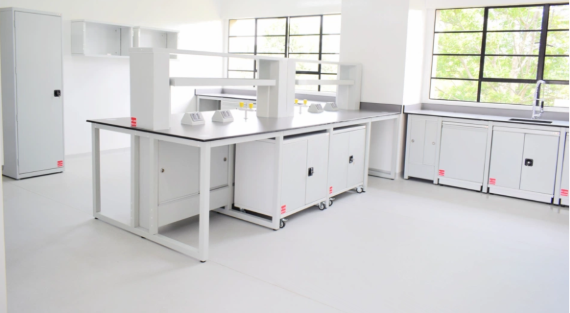
When you step into a laboratory, everything—from the lighting to the layout—serves a purpose. But one element that often goes unnoticed (yet plays a critical role) is the laboratory countertop. It’s where experiments happen, samples are handled, and precision meets practicality. Choosing the right material isn’t just about aesthetics—it’s about safety, durability, and long-term performance.
If you’re planning a lab setup or upgrading your workspace, this guide will help you understand the four best materials for laboratory countertops—with a practical, human-centered perspective.
Why the Right Countertop Material Matters
A laboratory countertop is far more than just a flat working surface—it is the operational backbone of any lab environment. Every experiment, analysis, and procedure depends on a stable, durable, and contamination-resistant workspace. From handling volatile chemicals to supporting heavy instruments, countertops endure constant stress. This makes material selection a critical decision that directly impacts safety, efficiency, and compliance.
Laboratory environments are inherently demanding. Surfaces are frequently exposed to corrosive chemicals such as acids, solvents, and reagents. In addition, they must tolerate high temperatures from equipment like Bunsen burners, hot plates, and autoclaves. Regular cleaning with strong disinfectants adds another layer of wear and tear. A substandard countertop material can degrade quickly under these conditions, leading to cracks, stains, and contamination risks.
Another key factor is hygiene. In laboratories—especially those in healthcare, pharmaceuticals, and research—maintaining a sterile environment is non-negotiable. Porous or low-quality materials can harbor bacteria, compromising results and safety standards. A high-performance countertop material minimizes these risks by offering a non-porous, easy-to-clean surface.
Cost efficiency also plays a role, but it should be viewed through a long-term lens. While some materials may appear budget-friendly initially, they often require frequent repairs or replacements. Investing in a high-quality countertop reduces maintenance costs and ensures consistent performance over time.
Ultimately, choosing the right laboratory countertop material is about aligning functionality with application needs. A well-informed decision enhances productivity, ensures regulatory compliance, and creates a safer working environment for everyone involved.
Epoxy Resin Countertops – The Industry Standard
Epoxy resin countertops are widely regarded as the benchmark for laboratory surfaces due to their unmatched durability and chemical resistance. Manufactured by combining epoxy resins with hardeners and curing agents, these countertops form a solid, non-porous surface that can withstand some of the harshest laboratory conditions.
One of the most significant advantages of epoxy resin is its exceptional resistance to aggressive chemicals. It can endure prolonged exposure to strong acids, alkalis, and solvents without deteriorating or staining. This makes it particularly suitable for chemical laboratories, research facilities, and industrial testing environments where harsh substances are used regularly.
In addition to chemical resistance, epoxy resin countertops offer excellent heat tolerance. They can handle direct contact with hot equipment and open flames without warping or cracking. This thermal stability ensures reliability during high-temperature experiments, reducing the risk of surface damage.
Durability is another defining feature. Epoxy resin surfaces are highly resistant to impact and abrasion, making them ideal for labs with heavy equipment and constant activity. Their non-porous nature also prevents the absorption of liquids, which is essential for maintaining hygiene and preventing contamination.
While epoxy resin countertops may have a higher upfront cost compared to other materials, their long lifespan and low maintenance requirements make them a cost-effective investment in the long run. They require minimal upkeep and retain their performance characteristics over many years.
For laboratories that demand the highest level of performance and reliability, epoxy resin countertops remain the preferred choice. They provide a robust foundation for complex operations while ensuring safety and consistency in demanding environments.
Phenolic Resin Countertops – Lightweight and Durable
Phenolic resin countertops are a versatile and cost-effective alternative to epoxy resin, offering a balance between durability, performance, and ease of installation. These countertops are manufactured by compressing layers of kraft paper impregnated with phenolic resin under high pressure and temperature, resulting in a solid, lightweight, and resilient surface.
One of the standout features of phenolic resin is its lightweight structure. Compared to heavier materials like epoxy, phenolic countertops are easier to transport and install, making them a practical choice for projects with logistical constraints or tight timelines. Despite their lighter weight, they maintain impressive strength and durability, capable of withstanding daily laboratory use.
Phenolic resin countertops provide good chemical resistance, making them suitable for environments where exposure to harsh substances is moderate rather than extreme. They can handle most common laboratory chemicals without significant damage, although they may not perform as well as epoxy resin under prolonged exposure to highly corrosive agents.
Moisture resistance is another advantage. Phenolic surfaces do not absorb water, which helps prevent swelling, warping, or bacterial growth. This makes them a reliable option for laboratories where cleanliness and hygiene are important.
In terms of aesthetics, phenolic countertops offer a clean and professional appearance, often available in a variety of finishes. This makes them suitable for educational institutions, diagnostic labs, and clinical settings where both functionality and visual appeal are considered.
Overall, phenolic resin countertops are an excellent choice for laboratories seeking a durable yet economical solution. They deliver dependable performance for a wide range of applications without the higher cost associated with premium materials.
Stainless Steel Countertops – Hygiene and Precision
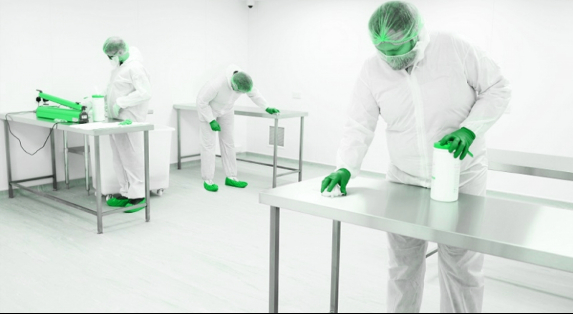
Stainless steel countertops are synonymous with cleanliness and precision, making them a preferred choice in laboratories where hygiene is a top priority. Known for their non-porous and smooth surface, stainless steel countertops are widely used in medical, pharmaceutical, and food testing laboratories.
One of the primary advantages of stainless steel is its superior hygienic properties. The non-porous surface does not allow liquids, bacteria, or contaminants to penetrate, making it easy to clean and sterilize. This is particularly important in environments where even minor contamination can compromise results or pose health risks.
Stainless steel is also highly resistant to corrosion, especially when exposed to water, cleaning agents, and mild chemicals. This durability ensures that the countertop maintains its integrity over time, even with frequent cleaning and sterilization processes.
Another key benefit is its ability to withstand high temperatures. Stainless steel can handle heat from equipment and hot materials without sustaining damage, making it suitable for labs that require thermal resilience.
However, it is important to note that stainless steel countertops can be prone to scratches and dents over time, particularly in high-traffic environments. Additionally, while they perform well against many substances, they may not be the best choice for prolonged exposure to strong acids.
Despite these limitations, stainless steel remains an excellent option for laboratories that prioritize hygiene, ease of maintenance, and a modern, professional appearance. Its reliability and cleanliness make it an indispensable material in many specialized lab settings.
High-Pressure Laminate (HPL) – Cost-Effective and Practical
High-pressure laminate (HPL) countertops are a practical solution for laboratories operating under budget constraints or with less demanding requirements. Manufactured by layering decorative paper and kraft paper with resin and compressing them under high pressure, HPL surfaces offer a balance of affordability and functionality.
One of the main advantages of HPL countertops is their cost-effectiveness. They are significantly more affordable than epoxy or phenolic resin surfaces, making them an attractive option for institutions with limited budgets. This affordability allows laboratories to allocate resources to other critical areas without compromising basic functionality.
HPL countertops are also available in a wide range of colors and finishes, providing flexibility in design and aesthetics. This makes them suitable for administrative areas, dry labs, and educational environments where visual appeal is a consideration.
In terms of maintenance, HPL surfaces are relatively easy to clean and maintain. They can handle light use and exposure to mild chemicals without significant issues. However, they are not designed for heavy-duty laboratory applications. Their resistance to heat and harsh chemicals is limited, and prolonged exposure can lead to damage such as peeling, staining, or warping.
Due to these limitations, HPL countertops are best suited for environments where intensive laboratory work is not conducted. They are ideal for writing desks, computer stations, and areas with minimal chemical exposure.
While not a premium option, HPL countertops serve as a functional and economical choice for specific applications. When used appropriately, they provide reliable performance without exceeding budget constraints.
Upgrade Your Laboratory with Confidence
Selecting the right laboratory countertop material is a decision that requires careful consideration of performance, durability, and budget. Each material offers distinct advantages, and the best choice depends on the specific needs of your laboratory environment.
If you are looking for high-quality laboratory solutions tailored to modern requirements, Ziebaq provides expertly designed countertops that combine durability, safety, and precision. With a focus on innovation and long-term performance, Ziebaq ensures that your laboratory is equipped with surfaces that support efficiency and reliability.
Take the next step toward building a smarter and safer laboratory. Connect with Ziebaq today to explore customized solutions that align perfectly with your operational needs.