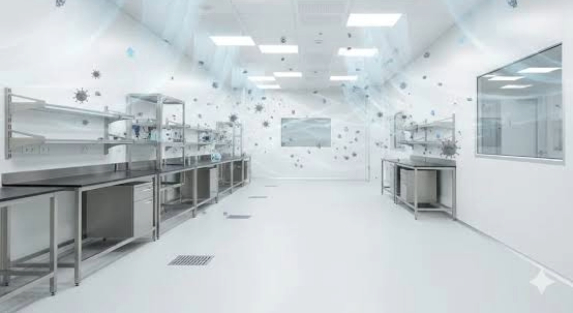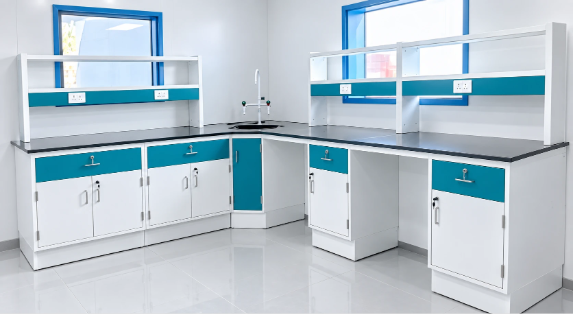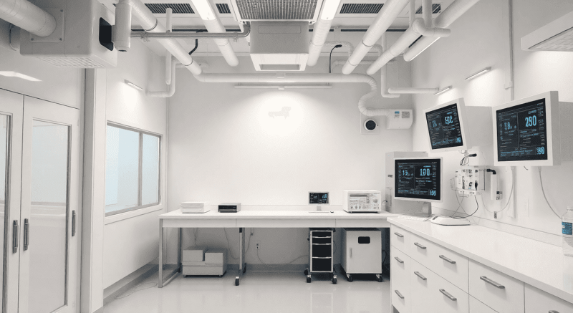
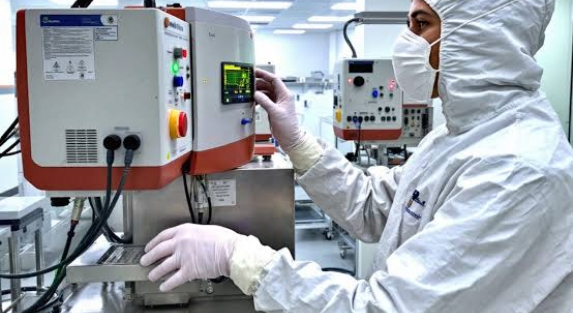
Cleanrooms are highly controlled environments designed to minimize contamination and maintain specific environmental conditions. They are widely used in pharmaceutical manufacturing, biotechnology, medical device production, semiconductor manufacturing, healthcare, and research facilities. Because even small environmental changes can affect product quality or process performance, continuous monitoring is essential.
Cleanroom Environmental Monitoring Systems provide real-time visibility into critical parameters such as temperature, humidity, airborne particles, differential pressure, and other environmental conditions. Instead of relying solely on periodic manual measurements, real-time monitoring allows facility teams to identify deviations quickly and respond before they become significant problems.
What Is Real-Time Cleanroom Environmental Monitoring?
Real-time environmental monitoring involves continuously collecting environmental data through strategically positioned sensors and monitoring devices. The information is transmitted to a centralized monitoring platform where facility personnel can review current conditions, historical trends, alarms, and system status.
A modern cleanroom environmental monitoring system can monitor multiple areas simultaneously and generate alerts when measured conditions move outside predefined limits.
This provides facility operators with a continuous understanding of cleanroom conditions rather than isolated measurements taken at specific intervals.
Why Cleanroom Control Requires Continuous Monitoring
Cleanroom conditions can change because of equipment operation, personnel activity, HVAC performance, door openings, production processes, and other factors.
For example, increased personnel movement can affect airborne particle levels, while HVAC problems can influence temperature, humidity, or differential pressure.
Periodic monitoring may not capture every temporary excursion. Real-time monitoring provides continuous data, helping operators identify changes as they occur.
This is particularly important for facilities where maintaining controlled environmental conditions is directly connected to product quality and contamination control.
1. Continuous Monitoring of Critical Parameters
One of the primary benefits of Cleanroom Environmental Monitoring Systems is their ability to continuously track important environmental parameters.
Depending on the facility and monitoring program, these may include:
- Temperature
- Relative humidity
- Differential pressure
- Airborne particle levels
- Microbial conditions
- Airflow-related parameters
- Equipment and room status
Continuous monitoring allows facility teams to establish a clearer picture of environmental performance and identify unusual changes.
2. Faster Detection of Environmental Excursions
An environmental excursion occurs when a monitored parameter moves outside an established acceptable range.
Without real-time monitoring, an excursion may remain undetected until the next scheduled measurement or manual inspection. This can increase the potential impact on operations.
With an automated cleanroom monitoring system, an alarm can be triggered when a parameter reaches a predefined threshold. Authorized personnel can then investigate the situation and take appropriate corrective action.
Early detection can help minimize the duration and potential consequences of environmental deviations.
3. Improved Differential Pressure Control
Differential pressure is an important component of contamination control in many cleanroom environments. Pressure relationships between adjacent areas can help control the movement of air and reduce the risk of contaminants entering controlled spaces.
Real-time pressure sensors can continuously monitor these conditions.
If pressure begins moving outside the established range, the environmental monitoring platform can alert facility personnel. This allows the HVAC system, doors, filters, or other relevant components to be investigated promptly.
4. Better Airborne Particle Monitoring
Airborne particles can be a critical environmental parameter, particularly in pharmaceutical, medical device, and other controlled manufacturing environments.
Real-time particle monitoring can provide continuous visibility into particle concentrations within designated areas.
Instead of relying exclusively on periodic particle measurements, continuous monitoring can help identify changes associated with production activities, personnel movement, equipment operation, or HVAC performance.
This creates a more comprehensive understanding of contamination-control conditions.
5. Improved Temperature and Humidity Management
Temperature and relative humidity can affect both manufacturing processes and environmental conditions.
Real-time sensors can track these parameters continuously and identify gradual changes or sudden deviations.
For facilities with tightly controlled environmental requirements, automated alerts can help operators investigate HVAC or environmental issues before conditions remain outside acceptable limits for an extended period.
6. Automated Alerts and Notifications
One of the most valuable features of modern Cleanroom Environmental Monitoring Systems is automated alarm management.
Monitoring platforms can be configured to generate alerts when environmental parameters exceed predefined limits. Depending on the system, notifications may be delivered through centralized dashboards, email, text messages, or other configured channels.
This reduces dependence on employees manually checking monitoring screens or reviewing data at fixed intervals.
7. Centralized Data Management
Large facilities may contain multiple cleanrooms, production areas, laboratories, storage environments, and controlled zones.
A centralized environmental monitoring platform can bring data from multiple locations into one interface.
Facility managers can review current conditions, historical trends, alarms, and other monitoring information from a centralized system.
This can simplify environmental oversight and make it easier to identify recurring problems across different areas.
8. Historical Data and Trend Analysis
Real-time monitoring is not limited to observing current conditions. The collected data can also provide valuable historical information.
Trend analysis can reveal:
- Repeated temperature fluctuations
- Recurring pressure deviations
- Gradual changes in humidity
- Frequent particle excursions
- Equipment-related environmental changes
- Patterns associated with production activities
Identifying these trends can help facility teams investigate underlying causes rather than addressing individual incidents in isolation.
9. Improved Preventive Maintenance
Environmental monitoring data can also support preventive maintenance programs.
For example, repeated pressure fluctuations may indicate an HVAC-related issue, while unusual temperature patterns could suggest equipment performance problems.
By identifying these trends early, facility teams can investigate relevant systems before a minor issue develops into a more significant operational problem.
This creates a more proactive approach to facility management.
10. Support for GMP and Quality Requirements
For pharmaceutical and other regulated industries, environmental monitoring forms an important part of contamination-control and quality-management programs.
Automated monitoring systems can help organizations collect, store, review, and manage environmental data more systematically.
However, an environmental monitoring system itself does not automatically make a facility compliant. The monitoring strategy, sensor placement, calibration, alarm limits, data integrity controls, procedures, validation, and personnel practices must all be appropriately established and maintained.
Facilities should therefore select monitoring solutions that support their applicable regulatory and quality requirements.
11. Better Data Accuracy and Consistency
Manual measurements can be affected by factors such as measurement frequency, operator technique, instrument handling, and recording practices.
Automated monitoring can reduce some of these limitations by collecting measurements according to predefined configurations.
Consistent data collection can make it easier to compare environmental performance over time and across different areas of a facility.
Sensors and monitoring equipment must still be properly selected, calibrated, maintained, and periodically verified to ensure reliable measurements.
12. Reduced Dependence on Manual Monitoring
Traditional environmental monitoring programs may require personnel to collect measurements manually at scheduled intervals.
While manual monitoring can remain appropriate for certain applications, real-time systems can automate the continuous collection of selected environmental parameters.
This can reduce repetitive data-recording activities and allow personnel to focus more on investigation, quality management, maintenance, and process improvement.
13. Improved Contamination Control
The ultimate objective of environmental monitoring is not simply collecting numbers—it is maintaining appropriate environmental conditions.
Continuous monitoring can provide earlier visibility into conditions that may contribute to contamination risks.
When integrated with established contamination-control procedures, real-time monitoring can support faster investigation and response when environmental conditions change.
14. Integration With Facility Management Systems
Advanced cleanroom environmental monitoring solutions can potentially integrate with other facility systems, including building management systems, HVAC controls, access systems, and alarm platforms.
Integration can provide a broader view of how environmental conditions relate to facility operations.
For example, an environmental excursion can be investigated alongside HVAC status, room access activity, equipment operation, or other relevant facility information.
15. Supporting Data-Driven Cleanroom Management
Real-time monitoring transforms environmental management from a primarily reactive process into a more data-driven approach.
Instead of asking only whether a cleanroom passed or failed a measurement at a particular time, facility teams can examine environmental behavior over an extended period.
This enables organizations to identify trends, investigate recurring deviations, optimize maintenance, and make more informed decisions about facility performance.
Key Considerations When Choosing a Cleanroom Monitoring System
Organizations evaluating Cleanroom Environmental Monitoring Systems should consider several factors before implementation:
- Parameters that need to be monitored
- Number and location of monitoring points
- Sensor accuracy and calibration requirements
- Alarm configuration
- Data storage and historical reporting
- User access controls
- Audit trail capabilities
- Data integrity requirements
- System scalability
- Integration capabilities
- Maintenance and support
- Applicable regulatory requirements
The system should be selected according to the facility’s actual monitoring program rather than simply choosing the system with the largest number of features.
Conclusion
Real-time environmental monitoring provides cleanroom operators with continuous visibility into critical environmental conditions. By monitoring parameters such as temperature, humidity, differential pressure, and airborne particles, Cleanroom Environmental Monitoring Systems can help organizations detect deviations faster, analyze environmental trends, support preventive maintenance, and strengthen contamination-control strategies.
For pharmaceutical, biotechnology, medical device, semiconductor, and other controlled environments, a properly designed cleanroom environmental monitoring system can become an important component of effective facility management and quality assurance.
The greatest value comes when real-time monitoring is combined with appropriate sensor placement, validated procedures, reliable calibration, effective alarm management, data integrity controls, and a clearly defined response process. This combination allows organizations to move beyond simply collecting environmental data and use that information to maintain more consistent, controlled, and reliable cleanroom operations.