
Introduction
In today’s rapidly evolving scientific landscape, laboratories are expected to deliver precise, reliable, and timely results while maintaining the highest standards of safety and operational excellence. Whether it is a pharmaceutical research center, a diagnostic laboratory, an educational institution, or an industrial testing facility, the efficiency of laboratory operations depends heavily on the quality of its infrastructure. Among the most essential components of any laboratory setup are Laboratory Benches, which serve as the primary workstations where research, experimentation, testing, and analysis take place.
Modern laboratory benches are far more than ordinary work surfaces. They are thoughtfully engineered to support laboratory professionals by providing durable, ergonomic, and organized workspaces capable of withstanding demanding environments. From resisting chemical spills and supporting sophisticated instruments to optimizing storage and improving workflow, laboratory work benches contribute significantly to enhancing productivity and minimizing operational challenges. A well-designed laboratory workstation enables researchers and technicians to focus on critical scientific tasks rather than dealing with workspace limitations or disorganized equipment.
As laboratories continue to adopt advanced technologies and more complex workflows, the demand for high-quality laboratory furniture has increased substantially. Investing in premium Laboratory Benches not only improves day-to-day efficiency but also supports compliance with industry standards, enhances employee safety, and extends the lifespan of valuable laboratory equipment. Leading manufacturers like Ziebaq understand these evolving requirements and offer innovative laboratory bench solutions designed to meet the diverse needs of modern laboratories across research, healthcare, education, and industrial sectors.
This comprehensive guide explores how laboratory benches improve laboratory efficiency, the essential features to consider when selecting laboratory furniture, and why choosing reliable solutions from Ziebaq can help create a productive, safe, and future-ready laboratory environment.
Understanding Laboratory Benches and Their Importance
Laboratories are environments where precision, consistency, and safety are essential to achieving reliable results. At the center of every well-functioning laboratory is a workspace designed to support scientific activities efficiently. Laboratory Benches provide this foundation by offering dedicated workstations for conducting experiments, analyzing samples, operating laboratory instruments, and performing routine testing procedures. Unlike standard office or industrial furniture, laboratory work benches are specifically engineered to withstand demanding conditions, including exposure to chemicals, heat, moisture, and heavy equipment.
The importance of laboratory benches extends beyond providing a flat working surface. They help create a structured environment where laboratory professionals can organize instruments, chemicals, documents, and tools in a systematic manner. This organized approach reduces unnecessary movement, minimizes errors, and improves overall workflow. Laboratories handling sensitive research or high-volume testing particularly benefit from well-designed laboratory workstations because every second saved contributes to greater productivity.
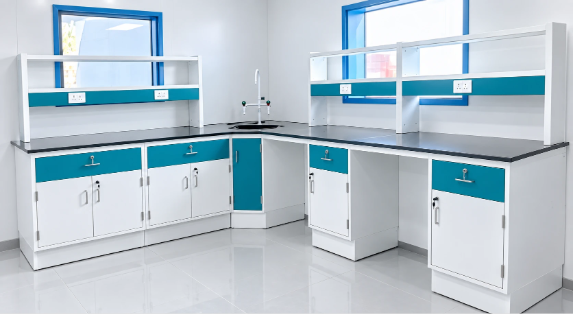
Modern laboratory benches are available in various configurations, including wall-mounted benches, island benches, corner units, modular laboratory benches, and mobile workstations. Each type serves specific operational needs while maximizing available laboratory space. Features such as integrated storage cabinets, reagent racks, electrical outlets, gas valves, and utility services further enhance functionality.
Selecting high-quality laboratory furniture is a long-term investment that directly influences laboratory performance. Premium manufacturers like Ziebaq design laboratory benches that combine durability, ergonomic comfort, and flexibility to meet the evolving demands of research institutions, healthcare facilities, pharmaceutical companies, educational laboratories, and industrial testing centers. By choosing laboratory benches tailored to operational requirements, organizations create efficient work environments that promote accuracy, collaboration, safety, and sustainable productivity. As scientific technologies continue to advance, laboratory benches remain an indispensable element of laboratory infrastructure, supporting innovation and ensuring that every task can be performed with confidence and precision.
How Laboratory Benches Improve Workspace Organization
An organized laboratory is the cornerstone of efficient scientific work, and Laboratory Benches play a vital role in creating a structured and clutter-free environment. Researchers, technicians, and laboratory staff rely on having immediate access to instruments, samples, chemicals, and documentation. When these essential items are scattered across multiple locations, valuable time is lost, and the likelihood of errors increases. Well-designed laboratory work benches address these challenges by integrating intelligent storage solutions and dedicated workspaces that simplify daily operations.
Modern laboratory benches are equipped with storage cabinets, drawers, shelving systems, overhead racks, and utility panels that allow laboratory personnel to keep frequently used items within easy reach. This organized layout reduces unnecessary movement between workstations and ensures that every tool has a designated place. As a result, laboratory staff can focus more on experimentation and analysis rather than searching for equipment or reorganizing cluttered spaces.
Effective organization also contributes to improved inventory management. Chemicals, glassware, consumables, and laboratory accessories can be stored systematically, making it easier to monitor stock levels and maintain compliance with laboratory protocols. Organized laboratory furniture also minimizes the risk of cross-contamination by separating clean equipment from used materials and hazardous substances.
Furthermore, laboratory benches help establish standardized workflows across different departments. Dedicated workstations for sample preparation, testing, documentation, and instrument operation create a logical sequence of tasks that improves consistency and reduces operational bottlenecks. This level of organization becomes increasingly valuable in high-volume laboratories where multiple teams work simultaneously.
Manufacturers such as Ziebaq understand the importance of efficient workspace organization and design laboratory benches that incorporate flexible storage options, ergonomic layouts, and modular components. Their solutions enable laboratories to adapt to changing operational needs while maintaining a clean, organized, and productive environment. Ultimately, organized laboratory benches not only improve efficiency but also foster a safer, more professional workspace that supports accurate scientific outcomes.
Optimizing Laboratory Space with Modern Laboratory Benches
Space optimization is a critical consideration for laboratories of all sizes. Whether operating within a compact educational laboratory or a large-scale pharmaceutical research facility, making efficient use of available space directly impacts productivity and workflow. Laboratory Benches are designed to maximize usable workspace while ensuring that laboratory personnel can move safely and comfortably throughout the facility. Their thoughtful design helps laboratories accommodate sophisticated equipment, storage requirements, and utility connections without creating overcrowded environments.
Modern laboratory work benches are available in multiple configurations to suit different layouts and operational needs. Wall benches make efficient use of perimeter space, island benches provide collaborative work areas for multiple users, and corner benches utilize areas that might otherwise remain unused. Modular laboratory benches offer even greater flexibility by allowing laboratories to expand or reconfigure workstations as operational requirements evolve. This adaptability is particularly valuable for growing research facilities that frequently introduce new instruments or modify laboratory processes.
Efficient space planning also enhances accessibility. Properly positioned laboratory benches create clearly defined pathways that facilitate the safe movement of personnel, samples, and equipment. This reduces congestion, minimizes the risk of accidents, and improves the overall flow of laboratory operations. Integrated storage solutions within laboratory furniture further eliminate the need for bulky standalone cabinets, freeing additional floor space for scientific activities.
Another important advantage of optimized laboratory layouts is improved equipment placement. Sensitive analytical instruments require stable, dedicated work surfaces with sufficient clearance for operation and maintenance. Carefully designed laboratory benches ensure that equipment is positioned securely while allowing easy access for routine servicing.
Companies like Ziebaq specialize in manufacturing laboratory benches that balance functionality, flexibility, and efficient space utilization. Their modular designs help laboratories maximize every square meter while maintaining organized workflows and compliance with safety standards. By investing in well-planned laboratory furniture, organizations can create highly efficient work environments that support scientific excellence, operational growth, and long-term productivity.
Enhancing Workflow Efficiency Through Proper Bench Design
Laboratory productivity depends heavily on the efficiency of daily workflows, and the design of Laboratory Benches has a direct influence on how smoothly scientific tasks are completed. Every laboratory follows a sequence of activities, from sample collection and preparation to analysis, documentation, and storage. When workstations are strategically designed and arranged, these processes become faster, more organized, and less prone to interruptions. Proper laboratory bench design helps eliminate unnecessary movement, reduce delays, and improve coordination among laboratory personnel.
One of the primary advantages of modern laboratory work benches is their ability to support task-specific workflows. Dedicated benches for analytical testing, microbiology, chemical analysis, quality control, or instrumentation allow laboratory professionals to perform specialized tasks without interfering with other operations. This separation of activities minimizes cross-contamination, improves safety, and enhances overall operational efficiency.
Integrated utilities further contribute to streamlined workflows. Many laboratory benches include built-in electrical outlets, gas connections, water supply systems, and data ports, allowing researchers to access essential services directly from their workstations. This eliminates the need for temporary extensions or frequent relocation of equipment, saving both time and effort. Ergonomically designed work surfaces also reduce physical strain, enabling laboratory staff to maintain focus and productivity during extended working hours.
Workflow efficiency is further enhanced through modular laboratory benches that can be reconfigured as laboratory requirements evolve. As research projects expand or new technologies are introduced, laboratories can modify workstation layouts without undertaking costly renovations. This flexibility ensures that laboratory infrastructure continues to support changing operational demands.
Ziebaq develops laboratory benches with workflow optimization as a key priority. By combining durable construction, ergonomic features, modular flexibility, and integrated utility systems, Ziebaq enables laboratories to create efficient work environments that promote accuracy, collaboration, and operational excellence. Well-designed laboratory benches ultimately become an essential component in achieving faster turnaround times, higher-quality results, and improved overall laboratory performance.
Improving Research Accuracy and Productivity
Scientific research demands accuracy, consistency, and efficiency at every stage of the experimental process. Even minor errors caused by poor workspace organization, unstable equipment placement, or inadequate laboratory infrastructure can compromise research outcomes. This is where Laboratory Benches make a measurable difference. Designed specifically for scientific environments, laboratory benches provide stable, organized, and durable workstations that enable researchers and technicians to perform their tasks with greater precision and confidence.
A well-designed laboratory bench supports the proper placement of analytical instruments, glassware, measuring devices, and laboratory equipment. Stable work surfaces reduce vibration, helping sensitive instruments such as analytical balances, microscopes, and spectrophotometers produce more reliable readings. At the same time, clearly defined work areas minimize the possibility of mixing samples, misplacing materials, or interrupting experimental procedures, resulting in greater consistency across laboratory operations.
Productivity also improves when laboratory professionals can access everything they need without leaving their workstations. Modern laboratory work benches often incorporate storage drawers, shelving, utility connections, and dedicated equipment spaces that reduce unnecessary movement throughout the laboratory. Researchers spend less time searching for tools and more time focusing on data collection, experimentation, and analysis. This streamlined workflow is particularly valuable in high-throughput laboratories where multiple projects are conducted simultaneously under strict deadlines.
Another important advantage is the adaptability of modular laboratory benches. As research priorities evolve or new technologies are introduced, workstations can be reconfigured to support changing operational requirements without disrupting ongoing activities. This flexibility ensures that laboratories remain efficient while accommodating future growth.
Manufacturers like Ziebaq design laboratory benches that combine structural strength, ergonomic functionality, and intelligent workspace planning. Their laboratory furniture helps create environments where scientific professionals can work efficiently, maintain high levels of accuracy, and achieve consistent research outcomes. By investing in quality laboratory benches, organizations not only improve productivity but also strengthen the overall reliability and credibility of their scientific work.
Supporting Laboratory Safety and Regulatory Compliance
Safety is one of the most critical aspects of laboratory management, and the design of Laboratory Benches plays an essential role in creating a secure working environment. Laboratories regularly handle hazardous chemicals, biological samples, sharp instruments, and sophisticated analytical equipment, making it essential to provide workstations that minimize risks while supporting compliance with established safety standards. High-quality laboratory benches contribute significantly to protecting both laboratory personnel and valuable research assets.
Modern laboratory work benches are manufactured using materials that resist chemical corrosion, moisture, heat, and physical wear. Chemical-resistant work surfaces prevent damage from accidental spills and reduce the likelihood of contamination that could compromise experiments or endanger laboratory staff. Many laboratory benches also feature rounded edges, seamless construction, and non-porous surfaces, making them easier to clean and disinfect while supporting stringent hygiene requirements in pharmaceutical, healthcare, and research laboratories.
Proper workstation design also improves operational safety by reducing clutter and organizing essential tools within easy reach. Integrated storage cabinets, reagent shelves, cable management systems, and utility panels help eliminate trip hazards and prevent overcrowded work areas. Clearly designated workspaces for different laboratory functions further reduce the risk of cross-contamination and accidental mixing of hazardous substances.
Regulatory compliance is another important consideration for modern laboratories. Many industries operate under strict national and international standards governing laboratory design, worker safety, and quality assurance. Investing in professionally designed laboratory furniture helps organizations meet these requirements while simplifying inspections and ongoing maintenance procedures. Durable laboratory benches also require fewer repairs and replacements, reducing operational costs over time.
Ziebaq understands that laboratory safety extends beyond durable construction. Their laboratory benches are engineered with safety, functionality, and regulatory compliance in mind, providing laboratories with dependable workstations capable of supporting demanding scientific applications. By choosing high-quality laboratory benches, organizations create safer working environments, improve operational efficiency, and demonstrate their commitment to maintaining the highest standards of laboratory excellence and professional responsibility.
The Role of Ergonomics in Laboratory Benches
Laboratory professionals often spend long hours conducting experiments, analyzing samples, documenting results, and operating sophisticated instruments. In such demanding environments, ergonomics plays a vital role in maintaining employee comfort, reducing fatigue, and improving overall productivity. Laboratory Benches designed with ergonomic principles help create workspaces that support the natural posture and movement of laboratory personnel, allowing them to perform tasks more efficiently while minimizing the risk of repetitive strain injuries.
An ergonomically designed laboratory bench provides an appropriate working height that accommodates both sitting and standing tasks. This reduces unnecessary bending, stretching, and awkward body positions that can lead to muscle fatigue and long-term health issues. Adjustable laboratory work benches further enhance flexibility by allowing users to customize the workstation according to their individual requirements, making them suitable for diverse laboratory environments where multiple professionals share the same workspace.
Another important ergonomic feature is the strategic placement of frequently used equipment, storage compartments, and utility connections. By keeping essential tools, instruments, and materials within comfortable reach, laboratory benches minimize repetitive movements and improve workflow efficiency. Spacious work surfaces also provide adequate room for conducting experiments without overcrowding, helping researchers maintain focus and organization throughout their work.
Proper lighting integration and cable management contribute to ergonomic laboratory design by reducing eye strain and eliminating unnecessary obstructions around the workstation. Comfortable access to electrical outlets, gas valves, and water connections further simplifies daily operations while enhancing workplace safety.
Leading manufacturers such as Ziebaq recognize the importance of ergonomics when designing laboratory furniture. Their laboratory benches are engineered to promote user comfort while maintaining exceptional durability and functionality. By investing in ergonomically designed laboratory workstations, organizations can improve employee well-being, increase productivity, reduce workplace injuries, and create a laboratory environment that supports both scientific excellence and long-term operational efficiency.
Material Selection: Choosing the Right Laboratory Bench Surface
The performance and longevity of Laboratory Benches depend significantly on the materials used in their construction, particularly the work surface. Every laboratory has unique operational requirements, making it essential to select materials that can withstand the specific conditions encountered during daily activities. Factors such as chemical exposure, temperature fluctuations, moisture, heavy equipment, and cleaning procedures should all be considered when choosing the ideal laboratory bench surface.
Epoxy resin is among the most popular materials for laboratory work benches because of its exceptional resistance to aggressive chemicals, acids, solvents, and high temperatures. It is widely used in pharmaceutical laboratories, chemical research facilities, and industrial testing environments where durability and chemical resistance are essential. Stainless steel is another preferred option, especially in healthcare, microbiology, and food testing laboratories. Its non-porous surface resists corrosion, supports stringent hygiene standards, and allows for easy cleaning and sterilization.
Phenolic resin surfaces offer an excellent balance between durability and affordability, making them suitable for educational laboratories and general research facilities. High-pressure laminate worktops are commonly selected for laboratories that perform dry testing or administrative work, as they provide a smooth, scratch-resistant surface at a cost-effective price. However, laminate surfaces may not be appropriate for laboratories handling highly corrosive chemicals.
Beyond the work surface, the supporting framework of laboratory benches should also be manufactured using corrosion-resistant materials such as powder-coated steel or stainless steel to ensure structural stability over many years of use. Investing in high-quality materials minimizes maintenance costs while extending the service life of laboratory furniture.
Ziebaq manufactures laboratory benches using carefully selected materials that meet the rigorous demands of modern scientific environments. Their commitment to quality ensures that laboratories receive durable, safe, and reliable workstations capable of supporting diverse research applications. Choosing the right laboratory bench material ultimately enhances operational efficiency, protects valuable equipment, and contributes to a more productive laboratory environment.
Storage Solutions and Equipment Management
Efficient storage and effective equipment management are fundamental to maintaining an organized and productive laboratory. Laboratory Benches equipped with integrated storage solutions help laboratories optimize available space while ensuring that essential tools, chemicals, and instruments remain easily accessible. A well-organized workstation reduces unnecessary movement, minimizes the risk of misplaced equipment, and supports smoother laboratory workflows.
Modern laboratory work benches are designed with a variety of storage options, including drawers, cabinets, overhead shelving, reagent racks, and under-bench compartments. These features allow laboratory personnel to organize equipment according to usage frequency and operational requirements. Frequently used items can be positioned within immediate reach, while less frequently accessed materials can be stored securely without cluttering the workspace. This systematic arrangement saves valuable time and enables researchers to focus on scientific tasks rather than searching for equipment.
Proper storage also contributes significantly to laboratory safety. Chemicals, hazardous substances, and sensitive instruments require designated storage areas that protect them from accidental damage or contamination. Lockable cabinets provide secure storage for valuable equipment and controlled substances, while specialized compartments help separate incompatible chemicals in accordance with laboratory safety protocols. Organized cable management systems further reduce trip hazards and create cleaner workstations.
Equipment management becomes increasingly important as laboratories adopt advanced analytical technologies. Dedicated spaces for microscopes, analytical balances, centrifuges, spectrometers, and laboratory computers help protect these investments while ensuring stable operating conditions. Proper workstation design also facilitates routine maintenance and calibration, extending equipment lifespan and improving measurement accuracy.
Recognizing these operational needs, Ziebaq designs laboratory benches with intelligent storage configurations that maximize efficiency without compromising workspace. Their laboratory furniture combines functional storage, ergonomic accessibility, and durable construction to support the diverse requirements of research institutions, educational laboratories, healthcare facilities, and industrial testing centers. By investing in laboratory benches with integrated storage solutions, organizations can improve operational efficiency, maintain organized work environments, and support consistent scientific performance.
Benefits of Modular Laboratory Benches
As laboratories continue to evolve with advancements in science and technology, flexibility has become a critical factor in laboratory design. Traditional fixed workstations often struggle to accommodate changing research requirements, new equipment, or expanding teams. This is why modular Laboratory Benches have become increasingly popular across research institutions, healthcare facilities, pharmaceutical companies, educational laboratories, and industrial testing centers. Their adaptable design allows laboratories to respond quickly to changing operational demands without the expense of major renovations.
Modular laboratory benches consist of interchangeable components that can be rearranged, expanded, or upgraded as laboratory requirements evolve. Additional storage units, utility services, shelving systems, and work surfaces can be integrated seamlessly into existing layouts, allowing organizations to maximize their investment while minimizing disruption. This flexibility is particularly valuable for laboratories involved in long-term research projects where workspace requirements frequently change.
Another significant advantage of modular laboratory work benches is efficient space utilization. Laboratories can easily reconfigure workstations to accommodate new instruments, collaborative research teams, or specialized testing areas without compromising workflow. Mobile modules further improve flexibility by allowing temporary workstations to be created whenever required. This adaptability supports better resource management while helping laboratories remain productive during periods of growth or operational change.
Maintenance is also simplified with modular laboratory furniture. Individual components can be repaired or replaced without dismantling the entire workstation, reducing downtime and maintenance costs. Laboratories benefit from extended furniture life while maintaining a modern and functional working environment.
Ziebaq offers modular laboratory benches that combine durability, ergonomic design, and future-ready flexibility. Their solutions enable laboratories to create customized workspaces capable of adapting to evolving scientific requirements while maintaining exceptional performance and safety standards. Investing in modular laboratory benches provides long-term value by improving operational efficiency, supporting business growth, and ensuring that laboratory infrastructure remains capable of meeting future scientific challenges.
How Ziebaq Laboratory Benches Deliver Superior Performance
Selecting the right laboratory furniture manufacturer is just as important as choosing the right workstation design. High-quality Laboratory Benches should provide durability, functionality, safety, and adaptability while supporting the demanding requirements of modern scientific environments. Ziebaq has established itself as a trusted provider of premium laboratory furniture by delivering innovative solutions that combine advanced engineering with practical laboratory functionality.
Ziebaq laboratory benches are manufactured using carefully selected materials that withstand exposure to chemicals, heat, moisture, and continuous daily use. Their robust structural design provides exceptional stability for sensitive laboratory instruments, ensuring reliable performance during research, testing, and analytical procedures. Durable work surfaces maintain their integrity even under demanding laboratory conditions, reducing maintenance requirements and extending product lifespan.
One of the distinguishing features of Ziebaq laboratory work benches is their emphasis on customization. Laboratories differ significantly in terms of workflow, equipment requirements, and available space. Ziebaq addresses these diverse needs by offering modular configurations, integrated storage solutions, utility service panels, and ergonomic workstation layouts that can be tailored to specific applications. Whether designing a pharmaceutical laboratory, educational institution, healthcare facility, or industrial quality control laboratory, organizations can create workspaces that maximize productivity while maintaining safety and compliance.
Ziebaq also prioritizes user comfort through ergonomic design principles that reduce fatigue and improve operational efficiency. Integrated storage, cable management systems, and accessible utility connections help maintain organized workstations while minimizing unnecessary movement during laboratory procedures.
By combining innovative design, premium materials, and customer-focused solutions, Ziebaq laboratory benches enable organizations to establish laboratories that are efficient, reliable, and prepared for future growth. Their commitment to quality ensures that every workstation contributes to improved workflow, enhanced safety, greater productivity, and long-term operational success, making Ziebaq a preferred choice for laboratories seeking dependable laboratory furniture solutions.
Tips for Selecting the Right Laboratory Benches
Choosing the appropriate Laboratory Benches is a strategic decision that influences laboratory productivity, employee safety, equipment performance, and long-term operational costs. Since every laboratory has unique requirements, organizations should carefully evaluate several factors before investing in laboratory furniture. Selecting benches based solely on price often leads to higher maintenance expenses and operational limitations in the future.
The first consideration is the laboratory’s intended application. Chemical laboratories require highly resistant work surfaces capable of withstanding aggressive substances, while microbiology or healthcare laboratories often prioritize hygienic stainless-steel surfaces that support frequent sterilization. Educational laboratories may benefit from cost-effective yet durable materials suitable for everyday student use, whereas research laboratories often require modular laboratory benches that can adapt to changing experimental needs.
Space planning is equally important. Organizations should evaluate laboratory layouts to determine whether wall benches, island benches, corner workstations, or modular configurations will provide the most efficient use of available space. Proper workstation placement should support smooth workflow while maintaining clear access routes for personnel and equipment.
Storage requirements also deserve careful attention. Laboratory work benches with integrated drawers, cabinets, reagent shelves, and utility systems help maintain organized workspaces while reducing unnecessary movement. Ergonomic design features, including comfortable working heights and accessible storage, contribute to improved productivity and employee well-being.
Quality construction should never be compromised. Durable frames, corrosion-resistant finishes, chemical-resistant worktops, and stable structures ensure long service life while protecting valuable laboratory equipment. Compliance with laboratory safety standards should also be verified before making a purchasing decision.
Manufacturers such as Ziebaq provide comprehensive laboratory furniture solutions designed to meet these diverse requirements. Their expertise enables laboratories to select customized laboratory benches that combine durability, flexibility, safety, and functionality. Careful planning and investment in quality laboratory workstations create a productive environment capable of supporting scientific excellence for many years.
Maintenance Practices for Long-Lasting Laboratory Benches
Even the highest-quality Laboratory Benches require regular maintenance to ensure consistent performance, workplace safety, and extended service life. Daily laboratory activities expose workstations to chemicals, moisture, heavy equipment, and continuous usage, making preventive maintenance an essential part of laboratory management. Proper care not only preserves the appearance of laboratory furniture but also reduces repair costs and protects valuable laboratory equipment.
Routine cleaning should be performed after every work session using cleaning agents appropriate for the bench surface material. Chemical spills should be removed immediately to prevent staining or long-term damage, particularly on laminate or resin surfaces. Stainless steel worktops should be cleaned with non-abrasive products to maintain their corrosion resistance and hygienic properties. Regular disinfection is especially important in healthcare, pharmaceutical, and microbiology laboratories where contamination control is a priority.
Periodic inspections help identify loose fittings, damaged surfaces, or signs of corrosion before they develop into larger problems. Drawer slides, cabinet hinges, utility connections, and structural supports should be checked regularly to ensure safe operation. Laboratory personnel should also avoid exceeding recommended weight capacities, as excessive loads may compromise structural stability over time.
Proper equipment placement contributes significantly to workstation longevity. Heavy instruments should be positioned according to manufacturer recommendations to distribute weight evenly across the laboratory bench. Protective mats may also be used beneath sensitive equipment to minimize vibration and surface wear.
Ziebaq designs laboratory benches for exceptional durability, but routine maintenance remains essential to maximize their lifespan and maintain peak performance. By implementing scheduled inspections, proper cleaning procedures, and responsible daily use, laboratories can preserve the quality of their workstations while supporting safe and efficient scientific operations. Well-maintained laboratory benches continue to deliver reliable performance, helping organizations protect their investment and sustain high levels of productivity for many years.
Future Trends in Laboratory Furniture
The rapid advancement of science, automation, and digital technologies is transforming laboratory environments worldwide. As research becomes increasingly sophisticated, Laboratory Benches are evolving beyond traditional workstations into intelligent, adaptable platforms that support modern scientific workflows. Future laboratory furniture will focus on improving efficiency, sustainability, connectivity, and user experience while meeting the changing needs of research institutions and industrial laboratories.
One emerging trend is the integration of smart technologies into laboratory work benches. Built-in sensors, digital monitoring systems, and Internet of Things (IoT) connectivity will allow laboratories to monitor environmental conditions, equipment performance, and utility usage in real time. These innovations will help improve operational efficiency, reduce maintenance costs, and support predictive maintenance strategies.
Sustainability is another major focus. Manufacturers are increasingly using recyclable materials, environmentally friendly coatings, and energy-efficient manufacturing processes to reduce environmental impact. Laboratories are also seeking furniture with longer service life and modular construction, enabling future upgrades without complete replacement.
Height-adjustable laboratory benches are becoming more common as organizations recognize the importance of ergonomics and employee well-being. Flexible workstations that accommodate both seated and standing positions improve comfort while supporting diverse laboratory activities. Mobile laboratory furniture will continue to gain popularity, allowing laboratories to reconfigure layouts quickly as research priorities evolve.
Digital integration will also play an important role, with laboratory benches incorporating charging stations, data ports, cable management systems, and connections for automated laboratory equipment. These features support increasingly connected laboratory environments while improving workflow efficiency.
Companies like Ziebaq continue to innovate by developing laboratory benches that anticipate future scientific requirements. Their commitment to quality, flexibility, and technological advancement ensures that laboratories remain prepared for evolving research challenges. By investing in modern laboratory furniture today, organizations position themselves for greater efficiency, improved collaboration, and long-term scientific success in an increasingly technology-driven future.
Conclusion
In every modern laboratory, efficiency is built upon a foundation of thoughtful planning, reliable infrastructure, and high-quality laboratory furniture. Among the most important components of this infrastructure are Laboratory Benches, which provide the stable, organized, and durable workspaces required for scientific research, testing, quality control, and innovation. From improving workflow and maximizing available space to supporting safety, ergonomics, and equipment management, laboratory benches contribute directly to the productivity and success of laboratory operations.
As laboratories continue to expand their capabilities and adopt advanced technologies, the need for adaptable and durable laboratory work benches becomes even more significant. Features such as modular configurations, integrated storage, chemical-resistant work surfaces, ergonomic designs, and utility management systems enable organizations to create efficient work environments that support both current operations and future growth. Investing in premium laboratory furniture also reduces long-term maintenance costs, protects valuable scientific equipment, and enhances compliance with industry regulations.
Selecting the right laboratory benches requires careful consideration of laboratory applications, available space, workflow requirements, material selection, and future expansion plans. Organizations that prioritize quality and functionality gain long-term operational benefits while creating safer and more productive workplaces for researchers, technicians, and laboratory staff.
Ziebaq continues to support laboratories across diverse industries by delivering laboratory benches that combine durability, innovation, ergonomic excellence, and customizable design. Their comprehensive laboratory furniture solutions help organizations optimize workspace efficiency while maintaining the highest standards of performance and safety.
Ultimately, laboratory benches are far more than work surfaces—they are essential assets that enable scientific excellence. By investing in thoughtfully designed, high-quality laboratory workstations from trusted manufacturers like Ziebaq, laboratories can improve operational efficiency, enhance research accuracy, promote employee well-being, and build a future-ready environment capable of supporting scientific discoveries for years to come.