A cleanroom is only as effective as the systems and practices used to maintain it. Even a well-designed facility can experience contamination problems if cleaning routines, airflow management, equipment maintenance, and personnel procedures are not handled consistently.
For pharmaceutical manufacturers, medical device companies, laboratories, electronics manufacturers, and other controlled environments, maintaining cleanroom performance is essential. Small lapses can affect product quality, processes, equipment, and compliance.
That is why choosing the right Clean Rooms Solutions and following a consistent maintenance strategy are both important.
Here are eight practical tips to help keep your cleanroom clean, controlled, and operating properly.
1. Establish a Consistent Cleaning Schedule
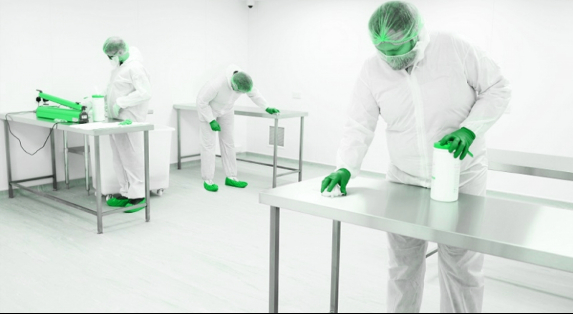
One of the simplest ways to maintain a cleanroom is to create a structured cleaning schedule and follow it consistently.
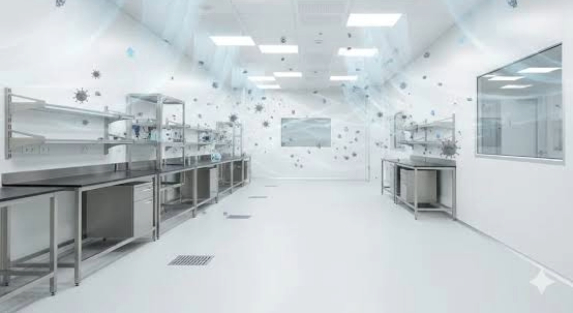
Cleaning should not happen only when the room appears dirty. Particles and microorganisms may not be visible to the human eye, so a clean-looking room is not necessarily a properly controlled environment.
A cleaning program should define:
- What areas need to be cleaned
- Which surfaces require attention
- How frequently each area should be cleaned
- Which cleaning products are approved
- Who is responsible for each task
- How cleaning activities are documented
The exact cleaning approach should be appropriate for the cleanroom classification, processes, materials, and applicable requirements.
2. Control Personnel Movement
People are one of the most significant potential sources of contamination inside a cleanroom.
Every person entering a controlled environment can introduce particles through clothing, skin, hair, movement, and other activities.
That makes personnel procedures an important part of cleanroom contamination control.
Employees and visitors should receive appropriate training on:
- Gowning procedures
- Hand hygiene
- Entry and exit procedures
- Movement inside the cleanroom
- Appropriate behaviour
- Material handling
- Contamination prevention
Avoid unnecessary movement and limit access to authorized personnel whenever practical.
A good cleanroom is not just about equipment. It is also about how people interact with the environment.
3. Maintain Your Air Filtration System
Air filtration plays a critical role in controlling airborne particles.
Depending on the facility and application, cleanrooms may use HEPA or ULPA filtration systems to help control airborne contamination.
Regular inspection and appropriate maintenance of the filtration system can help identify problems before they affect cleanroom performance.
Pay attention to:
- Filter condition
- Airflow performance
- Pressure differentials
- Unusual changes in environmental readings
- Filter loading
- Potential leaks
- Ventilation system performance
Do not wait for a serious problem before checking the system. Preventive maintenance can help maintain consistent cleanroom conditions.
Professional cleanroom air filtration solutions can also help facilities evaluate whether their existing system is appropriate for their operational requirements.
4. Monitor Environmental Conditions
Cleaning alone does not guarantee that a cleanroom is operating correctly.
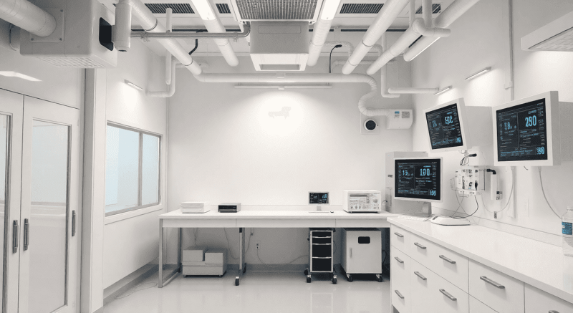
Environmental monitoring provides valuable information about the condition of the controlled environment.
Depending on the application, monitoring may include parameters such as:
- Airborne particle levels
- Temperature
- Relative humidity
- Pressure differentials
- Airflow
- Microbiological conditions
The appropriate monitoring program depends on the facility, processes, cleanroom classification, and applicable standards.
The key is to establish defined procedures for collecting, reviewing, documenting, and responding to environmental data.
If readings begin to change unexpectedly, investigate the cause rather than simply recording the result.
5. Keep Equipment Properly Maintained
Cleanroom equipment can affect both productivity and environmental control.
A malfunctioning piece of equipment may generate particles, interfere with airflow, create heat, or introduce other contamination risks.
Create a preventive maintenance program for relevant equipment and systems.
This may include:
- HVAC equipment
- Air handling systems
- Filtration equipment
- Cleanroom doors
- Pass-through chambers
- Workstations
- Lighting systems
- Monitoring equipment
- Production equipment
Maintenance activities should be planned carefully so that servicing does not unnecessarily compromise cleanroom conditions.
When maintenance is required inside a controlled area, follow appropriate procedures for cleaning, personnel entry, equipment handling, and post-maintenance verification.
6. Use Appropriate Cleaning Materials and Methods
Not every cleaning product or material is suitable for a cleanroom.
Traditional cleaning materials may shed fibres or leave residues that can interfere with controlled environments.
Use cleaning products, wipes, mops, disinfectants, and other materials that are appropriate for the specific cleanroom and process.
Cleaning technique is equally important.
For example, staff should understand:
- How cleaning equipment should be prepared
- Which surfaces should be cleaned first
- How to avoid recontaminating cleaned areas
- How cleaning materials should be stored
- When cleaning equipment should be replaced
- How disinfectants should be used according to approved procedures
A documented cleaning procedure helps ensure that different employees follow the same process.
7. Manage Materials Before They Enter the Cleanroom
Contamination can enter a cleanroom through more than people.
Materials, tools, packaging, equipment, and components can also introduce particles or microorganisms.
That is why material transfer procedures are an important part of cleanroom management.
Before materials enter the controlled area, consider:
- Whether external packaging should be removed
- Whether surfaces need to be cleaned or disinfected
- How materials should be transferred
- Whether a pass-through system is required
- How materials should be stored
- Whether the material is suitable for the environment
A well-organized material flow can reduce unnecessary contamination risks and make cleanroom operations more efficient.
8. Train Employees and Review Procedures Regularly
Cleanroom performance depends heavily on consistency.
Employees may follow procedures correctly when they first receive training, but processes can gradually become inconsistent if training and supervision are neglected.
Regular training should reinforce:
- Gowning procedures
- Cleaning practices
- Material transfer
- Personal hygiene
- Environmental monitoring
- Equipment handling
- Emergency procedures
- Contamination prevention
Refresher training can also be useful when procedures, equipment, products, or operational requirements change.
It is important to create a culture where employees understand why cleanroom procedures matter rather than simply following a checklist.
When people understand the impact of contamination, they are more likely to take ownership of cleanroom practices.
Why Professional Clean Rooms Solutions Matter
Maintaining a controlled environment involves more than cleaning floors and surfaces.
A properly functioning cleanroom is an integrated system involving facility design, airflow, filtration, environmental monitoring, personnel practices, equipment, cleaning procedures, and maintenance.
Professional Clean Rooms Solutions can help organizations assess these different elements and identify areas that may need improvement.
Depending on the facility, professional support may include:
- Cleanroom design
- HVAC and air filtration
- Contamination control
- Environmental monitoring
- Cleanroom maintenance
- Equipment support
- Testing and validation
- Facility upgrades
- Performance assessments
The right approach depends on the cleanroom’s purpose, classification, processes, and operational requirements.
Common Signs Your Cleanroom May Need Attention
Sometimes the first indication of a problem is not an obvious equipment failure.
Watch for changes such as:
- Increasing particle counts
- Unexpected pressure changes
- Inconsistent temperature or humidity
- Airflow issues
- Recurring contamination events
- Difficulty maintaining required conditions
- Damaged surfaces or seals
- Poorly maintained equipment
- Inconsistent cleaning practices
These signs should be investigated promptly.
A small issue can become much more difficult to manage if it is allowed to continue unnoticed.
A Proactive Approach Is Better Than a Reactive One
One of the most important lessons in cleanroom management is that prevention is generally better than waiting for a problem to occur.
A proactive program combines:
Cleaning + Monitoring + Maintenance + Training + Contamination Control
When these elements work together, facilities have a stronger foundation for maintaining consistent environmental conditions.
Instead of asking, “Why did contamination occur?” after an incident, teams can focus on identifying potential risks before they become significant problems.
Final Thoughts
Keeping a cleanroom clean and working properly requires more than regular cleaning. It requires a coordinated approach to people, processes, equipment, airflow, filtration, monitoring, and maintenance.
By maintaining a consistent cleaning schedule, controlling personnel movement, monitoring air filtration, managing materials, maintaining equipment, and providing regular employee training, businesses can create a more reliable controlled environment.
If your facility needs help improving its cleanroom performance, professional Clean Rooms Solutions can provide a structured approach based on your specific operational requirements.
Looking to improve your cleanroom environment? Speak with a qualified cleanroom solutions provider to assess your facility, identify potential contamination risks, and develop an appropriate maintenance and performance strategy. The right support can help you maintain a cleaner, more controlled, and more reliable working environment.