Laboratories rely on a consistent supply of gases for research, testing, analysis, manufacturing, and other specialized processes. From nitrogen and oxygen to hydrogen, argon, carbon dioxide, and specialty gases, these gases must be delivered safely and reliably to the point of use. A properly designed and installed Laboratory Gas Distribution System is therefore an essential part of modern laboratory infrastructure.
While laboratory gas systems may appear to be simply a network of pipes, valves, regulators, and outlets, their design and installation require careful planning and technical expertise. Improper installation can result in leaks, pressure problems, contamination, equipment damage, operational interruptions, and significant safety risks.
Professional installation helps laboratories establish a reliable gas supply while supporting safety, efficiency, and long-term system performance.
What Is a Laboratory Gas Distribution System?
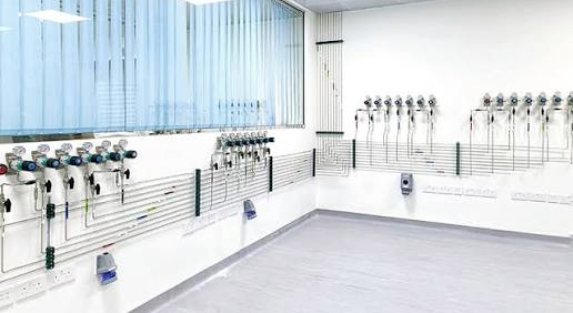
A Laboratory Gas Distribution System is an engineered network used to transport gases from a central source or storage area to designated laboratory workstations and equipment.
Depending on the facility, the system may include gas cylinders, bulk gas supplies, pressure regulators, pipelines, valves, isolation points, monitoring equipment, and point-of-use outlets.
The system must be designed according to the type of gases being distributed, required pressures, flow rates, laboratory layout, equipment requirements, and applicable safety practices.
Because different gases have different physical and chemical properties, there is no one-size-fits-all approach to laboratory gas distribution.
- Professional Installation Improves Laboratory Safety
Safety is one of the most important reasons to use qualified professionals for laboratory gas system installation.
Some laboratory gases are flammable, oxidizing, toxic, corrosive, or capable of creating hazardous atmospheres when released. A poorly installed pipeline or incorrectly fitted connection can increase the possibility of leakage or equipment failure.
Professional installers understand the requirements associated with different gases and can design systems with appropriate piping, valves, regulators, connections, labeling, and isolation points.
A professionally installed lab gas distribution system can therefore help reduce avoidable risks and provide laboratory personnel with a safer working environment.
- Ensures Correct Gas Pressure and Flow
Different laboratory instruments require specific gas pressures and flow rates. Supplying gas outside the required operating range can affect equipment performance and experimental results.
Professional installation involves evaluating the laboratory’s gas requirements and designing the distribution network accordingly. Proper regulators, pressure-control components, pipe sizing, and point-of-use connections help ensure that gases reach equipment at appropriate operating conditions.
Consistent delivery is particularly important for laboratories performing analytical testing, research, calibration, and other precision-dependent processes.
- Helps Prevent Gas Leaks
Gas leakage is a serious concern in laboratory environments. Even a small leak can lead to product loss, environmental hazards, or unsafe working conditions, depending on the gas involved.
Professional installation focuses on secure connections, appropriate materials, correct jointing techniques, pressure testing, and systematic inspection.
Installers can also incorporate isolation valves and other safety components that allow sections of the system to be shut down when maintenance or emergency intervention is required.
A properly installed laboratory gas piping system makes leak detection, isolation, inspection, and maintenance easier to manage.
- Protects Gas Purity
Gas purity can be critical for laboratory applications. Contamination within a distribution network can compromise experiments, analytical results, and sensitive equipment.
Professional system design considers the compatibility between the gas being distributed and the materials used throughout the system. It also considers pipeline routing, connections, pressure requirements, and cleanliness during installation.
For laboratories using high-purity or specialty gases, these considerations become particularly important.
A professionally designed laboratory gas delivery system helps maintain consistent gas quality from the source to the point of use.
- Supports Laboratory Workflow
A gas distribution system should complement the laboratory’s workflow rather than create unnecessary operational challenges.
Professional installers assess workstation locations, equipment positioning, laboratory traffic patterns, maintenance requirements, and future expansion plans before implementing the system.
Gas outlets can then be positioned strategically so that laboratory personnel can connect equipment without excessive hoses, complicated routing, or obstructed work areas.
This can contribute to a cleaner, more organized, and efficient laboratory environment.
- Enables Future Expansion
Laboratory requirements can change over time. A facility may add new instruments, introduce additional gases, increase capacity, or modify its workspace.
A professionally planned laboratory gas supply system can incorporate future requirements into its design. Adequate capacity, accessible isolation points, and appropriate distribution layouts can make future modifications easier.
Planning for scalability from the beginning can also reduce the need for extensive reconstruction when laboratory operations expand.
- Simplifies Inspection and Maintenance
Maintenance is an important part of laboratory infrastructure management. Gas systems require periodic inspection to identify potential leaks, damaged components, pressure issues, or other problems.
Professional installation creates a system that is easier to inspect and maintain. Clearly identified pipelines, accessible valves, organized routing, and appropriate documentation can help maintenance teams understand the system more effectively.
This can reduce maintenance complexity and help laboratories address potential issues before they become significant operational problems.
- Helps Meet Applicable Requirements
Laboratory gas systems may be subject to building codes, fire-safety requirements, occupational safety practices, gas-specific standards, and facility-specific procedures. The exact requirements vary according to location, gas type, application, and laboratory environment.
Professional installers can help ensure that the system is designed and installed with relevant requirements in mind.
Laboratory managers should always verify applicable local regulations and standards and ensure that qualified professionals are involved in the installation and commissioning process.
- Reduces Long-Term Operational Risks
Choosing installation based solely on the lowest initial cost can create problems later. Poor-quality components, incorrect pipe sizing, inadequate pressure control, difficult maintenance access, and poorly positioned outlets can lead to recurring operational issues.
A professionally installed laboratory gas distribution system focuses on reliability over the system’s operating life.
Better planning and installation can help reduce avoidable downtime, gas losses, equipment problems, and costly modifications.
Choosing the Right Installation Partner
Selecting an experienced installation partner is an important part of developing a reliable laboratory gas infrastructure. Laboratory professionals should evaluate a provider’s technical expertise, experience with gas distribution systems, understanding of laboratory environments, installation practices, testing procedures, documentation, and after-sales support.
Ziebaq provides laboratory infrastructure solutions designed to support the functional and operational requirements of modern laboratory environments. When planning a laboratory gas distribution project, working with a specialized provider can help organizations evaluate system requirements and develop an installation approach suited to their facility.
Before installation begins, laboratory managers should clearly identify the gases required, expected consumption, pressure requirements, point-of-use locations, safety considerations, and potential future expansion.
Conclusion
A Laboratory Gas Distribution System is a critical component of laboratory infrastructure, and its installation should not be treated as a routine plumbing project. The system must safely transport the correct gases at appropriate pressures and flow rates while protecting gas purity and supporting laboratory operations.
Professional installation helps address these requirements through careful planning, suitable materials, proper connections, pressure control, leak testing, system documentation, and consideration of future needs.
For laboratory professionals, investing in a properly designed and professionally installed laboratory gas piping system can provide significant benefits in safety, reliability, workflow efficiency, maintenance, and long-term operational performance. Working with an experienced provider such as Ziebaq can help laboratories build gas distribution infrastructure that supports their current applications while remaining adaptable to future requirements.