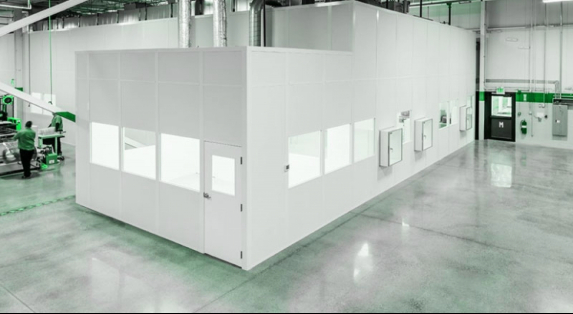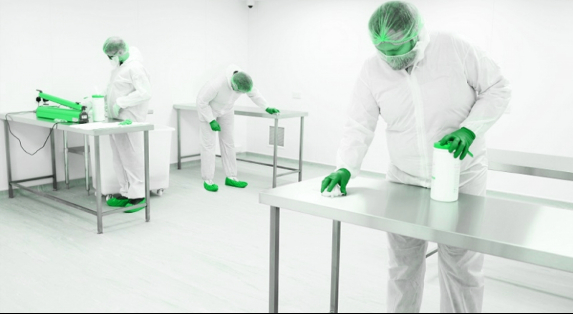
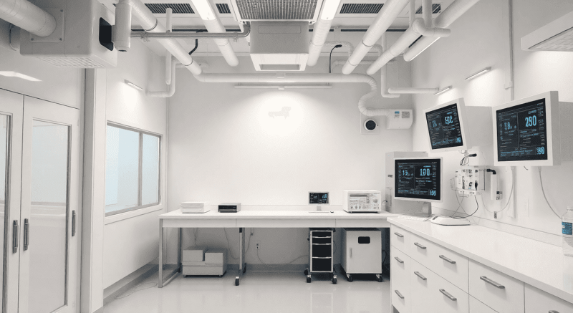
Mobile cleanrooms offer businesses a practical way to create controlled environments without committing to a permanent cleanroom facility. They can be deployed in laboratories, pharmaceutical operations, medical settings, electronics manufacturing, research facilities, and other environments where contamination control is critical.
But having a controlled space is only part of the equation. You also need to know whether that environment is consistently meeting the required conditions.
This is where Cleanroom Environmental Monitoring Systems become essential.
Environmental monitoring provides ongoing visibility into factors such as airborne particles, temperature, humidity, pressure differentials, and other environmental conditions. For mobile cleanrooms, where the environment may be relocated, reconfigured, or used for different applications, monitoring becomes even more important.
What Is Environmental Monitoring in a Mobile Cleanroom?
Environmental monitoring is the process of measuring and documenting conditions within a controlled environment to determine whether they remain within defined limits.
A Cleanroom Environmental Monitoring System may monitor parameters such as:
- Airborne particle levels
- Temperature
- Relative humidity
- Differential pressure
- Airflow conditions
- Microbial contamination, where applicable
- Other application-specific environmental parameters
The goal is not simply to collect numbers. Effective monitoring helps operators identify changes early, investigate potential problems, and maintain a consistent environment for sensitive processes and products.
Why Mobile Cleanrooms Need Reliable Environmental Monitoring
A mobile cleanroom can provide flexibility that a traditional permanent facility may not. However, mobility also introduces variables that need to be carefully controlled.
Moving equipment, changing locations, opening access points, modifying workflows, or adjusting ventilation configurations can potentially affect environmental conditions.
A properly designed cleanroom environmental monitoring system helps provide visibility into these changes.
Instead of relying solely on periodic inspections, operators can use monitoring data to understand what is happening inside the cleanroom over time.
1. Helps Control Airborne Contamination
One of the primary concerns in many cleanroom applications is airborne contamination.
Particles can enter a controlled environment through people, materials, equipment, or air movement. Depending on the application, even relatively small changes in airborne particle levels may require investigation.
Environmental monitoring systems for cleanrooms can track particle concentrations and help operators recognize deviations from established limits.
This makes it easier to respond before a small environmental change becomes a larger operational concern.
2. Supports Consistent Environmental Conditions
Temperature and humidity can influence processes, equipment, materials, and product quality.
For example, certain manufacturing or laboratory processes may require a relatively stable temperature or humidity range. Without continuous visibility, gradual environmental changes may go unnoticed.
A cleanroom monitoring system provides data that helps operators determine whether conditions are remaining within their defined operating parameters.
This consistency is particularly valuable when mobile cleanrooms are used for sensitive or repeatable processes.
3. Provides Better Visibility Into Pressure Conditions
Differential pressure is another important consideration in controlled environments.
Maintaining the appropriate pressure relationship between spaces can help support the intended airflow pattern and contamination-control strategy.
Monitoring pressure differentials can help operators identify unusual changes that may indicate issues with doors, filtration, airflow, or other components.
Rather than discovering a problem only during a periodic inspection, real-time or scheduled monitoring can provide earlier visibility.
4. Makes Mobile Cleanroom Relocation Easier to Validate
One of the biggest advantages of a mobile cleanroom is flexibility. However, moving or reconfiguring a controlled environment can introduce new variables.
After relocation or significant configuration changes, environmental conditions may need to be evaluated again.
Cleanroom environmental monitoring systems can support this process by providing measurable data about the environment before, during, and after operational changes.
This can make it easier for teams to document environmental performance and determine whether additional investigation or adjustment is required.
5. Creates a Record of Environmental Performance
Monitoring is not only about what is happening right now. Historical data can be equally valuable.
Environmental monitoring systems can create records showing how conditions have changed over time. These records can help teams:
- Identify recurring environmental trends
- Investigate deviations
- Support quality-control processes
- Document operating conditions
- Compare performance over different periods
- Support internal reviews and applicable compliance requirements
Having reliable historical information can turn environmental monitoring from a reactive task into a useful operational resource.
6. Helps Identify Problems Before They Escalate
A small change in temperature, humidity, pressure, or particle levels may be an early indication of a developing issue.
With appropriate alarm thresholds and monitoring practices, teams can be alerted when conditions move outside predefined limits.
This allows operators to investigate potential causes and take appropriate corrective action sooner.
The exact monitoring parameters, alert thresholds, and response procedures should be determined according to the cleanroom’s intended use, risk profile, applicable standards, and site procedures.
7. Supports Quality and Contamination-Control Programs
For industries where contamination control is closely connected to product or process quality, environmental monitoring can become an important component of the overall quality system.
Pharmaceutical manufacturing, biotechnology, medical-device production, electronics manufacturing, research, and other controlled applications may have specific environmental requirements.
A properly configured cleanroom environmental monitoring system can help organizations collect the information needed to demonstrate that environmental conditions are being controlled according to their established procedures.
What Should a Mobile Cleanroom Monitoring System Track?
There is no universal monitoring configuration that works for every mobile cleanroom. The appropriate setup depends on the application, cleanroom classification, processes being performed, risk assessment, and applicable requirements.
Depending on the application, monitoring may include:
Airborne Particles
Particle monitoring can help assess the cleanliness of the air and identify changes that may require investigation.
Temperature and Humidity
These measurements help verify that environmental conditions remain suitable for the process, equipment, and materials being handled.
Differential Pressure
Pressure monitoring can help confirm that the intended pressure relationship between areas is maintained.
Airflow
Where relevant, airflow measurements or visualization methods can help evaluate whether air is moving as intended.
Microbial Monitoring
Certain applications may require viable environmental monitoring using appropriate sampling and testing methods.
The key is to design the monitoring strategy around actual risks rather than simply collecting as much data as possible.
Continuous Monitoring vs. Periodic Monitoring
Both continuous and periodic monitoring can have a role in cleanroom environmental control.
Continuous monitoring can provide ongoing visibility and enable automated alerts when defined limits are exceeded.
Periodic monitoring may involve scheduled sampling or measurements performed according to established procedures.
The right approach depends on the application and risk assessment. In some environments, continuous monitoring may provide significant operational value, while other parameters may be appropriately evaluated at defined intervals.
A well-designed environmental monitoring program should clearly define what is monitored, how frequently measurements are taken, acceptable limits, alarm conditions, and the appropriate response to deviations.
Choosing the Right Cleanroom Environmental Monitoring System
When selecting a monitoring solution for a mobile cleanroom, look beyond the number of sensors or features advertised.
Consider factors such as:
- Which environmental parameters need to be monitored?
- What level of measurement accuracy is required?
- Can the system provide real-time alerts?
- How is historical data stored and accessed?
- Can reports be generated easily?
- Can the system scale as requirements change?
- Does it integrate with existing facility or quality systems?
- How will sensors be calibrated and maintained?
- Does the solution support the documentation requirements of the application?
The monitoring system should fit the cleanroom—not the other way around.
Environmental Monitoring Is an Investment in Control
A mobile cleanroom gives organizations flexibility. Environmental monitoring gives them visibility.
Together, they create a more controlled approach to managing sensitive environments.
Whether a mobile cleanroom is being used temporarily, moved between facilities, or deployed as a flexible extension of an existing operation, reliable monitoring can help teams understand environmental conditions and respond to changes with greater confidence.
The most effective approach is not simply to install sensors and collect data. It is to build a monitoring strategy around the risks, processes, and requirements of the specific application.
Final Thoughts
Mobile cleanrooms are designed to provide controlled environments where flexibility matters. But flexibility should never mean sacrificing environmental control.
Cleanroom Environmental Monitoring Systems help organizations monitor critical conditions, identify potential deviations, maintain records, and make informed operational decisions.
From particle levels and pressure differentials to temperature and humidity, the right monitoring strategy provides valuable insight into what is happening inside the cleanroom—and helps teams act when conditions change.
If you are planning a mobile cleanroom or looking to improve environmental monitoring in an existing setup, choosing the right monitoring solution should be part of the planning process from the beginning.
Ready to Strengthen Your Mobile Cleanroom Monitoring?
A reliable monitoring strategy starts with understanding your cleanroom, application, environmental risks, and operational requirements. Contact our team today to discuss your mobile cleanroom requirements and explore a Cleanroom Environmental Monitoring System designed around your specific needs.