Modern laboratories depend on precision, consistency, and controlled working environments. From electronics testing and research facilities to medical laboratories and manufacturing environments, the equipment used by laboratory professionals must be protected from environmental and operational risks. One often-overlooked factor is electrostatic discharge (ESD).
Static electricity can damage sensitive electronic components, interfere with measurements, contaminate controlled processes, and create unnecessary workflow disruptions. This is where Laboratory ESD Furniture plays an important role. Designed to provide controlled electrostatic protection while supporting efficient laboratory operations, ESD workstations can help organizations create safer, more reliable, and more productive working environments.
What Is Laboratory ESD Furniture?
Laboratory ESD Furniture refers to workbenches, tables, storage units, seating, and other laboratory furnishings specifically designed to control and dissipate electrostatic charges.
Unlike conventional laboratory furniture, ESD-compatible furniture incorporates conductive or dissipative materials and grounding mechanisms. These features help prevent static charges from accumulating on work surfaces or personnel and reduce the possibility of sudden electrostatic discharge.
ESD furniture can be particularly valuable in laboratories handling sensitive electronic components, semiconductor devices, precision instruments, circuit boards, sensors, and other static-sensitive materials.
1. Protects Sensitive Laboratory Equipment
One of the primary advantages of Laboratory ESD Furniture is its ability to protect sensitive equipment and components from electrostatic damage.
A static discharge may be too small for a person to notice but can still damage electronic components. Repeated exposure can also cause latent failures, where a component appears functional initially but develops problems later.
An ESD-controlled workstation provides a defined environment for handling sensitive materials. By providing appropriate grounding and dissipative surfaces, it helps reduce uncontrolled static buildup around laboratory equipment.
This can minimize equipment damage, reduce component replacement costs, and improve operational reliability.
2. Creates a More Organized Workspace
Laboratory workflow is strongly influenced by workspace organization. Cluttered workstations can make it difficult for technicians and researchers to locate tools, equipment, samples, and components quickly.
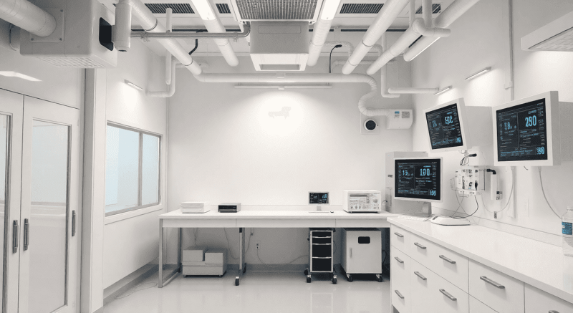
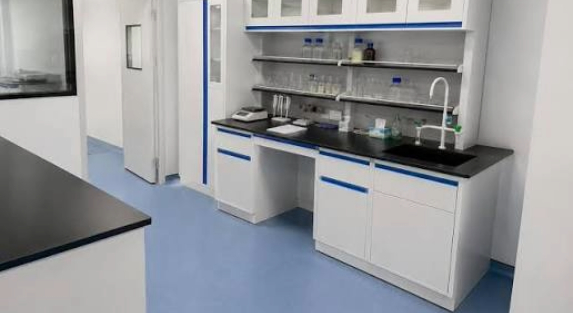
Modern ESD laboratory workbenches can be configured with drawers, shelves, overhead storage, lighting systems, cable-management solutions, and accessories. This allows laboratories to organize frequently used equipment according to specific workflow requirements.
A well-organized workstation reduces unnecessary movement and helps professionals spend more time on laboratory tasks rather than searching for tools or rearranging equipment.
3. Improves Employee Productivity
Productivity is not simply about working faster. It also depends on reducing unnecessary interruptions and creating an ergonomic working environment.
ESD workstations can be designed around the tasks performed by laboratory personnel. Adjustable working heights, appropriate seating, organized storage, and accessible tools can help employees maintain efficient working positions throughout the day.
When essential equipment is positioned within easy reach, technicians can complete repetitive processes more efficiently. This can contribute to smoother workflows and improved overall productivity.
4. Supports Better ESD Control
Effective ESD protection requires more than simply installing an ESD mat. A properly designed ESD workstation can become part of a broader ESD control program.
An ESD-compatible laboratory workstation may incorporate conductive surfaces, grounding points, ESD-safe accessories, and other components that help maintain a controlled environment.
This integrated approach makes it easier for laboratories to establish consistent procedures for handling electrostatic-sensitive devices.
Laboratory managers can also combine ESD furniture with grounding systems, wrist straps, ESD flooring, ionization equipment, and appropriate personnel training to create a comprehensive static-control environment.
5. Reduces Workflow Interruptions
Equipment failures, damaged components, misplaced tools, and disorganized workspaces can all interrupt laboratory operations.
For laboratories working with expensive or highly sensitive components, preventing avoidable failures is especially important. ESD-safe laboratory furniture provides an additional layer of protection against electrostatic-related incidents.
By supporting equipment protection and workplace organization simultaneously, ESD furniture can help reduce unexpected interruptions and maintain a more predictable workflow.
This is particularly beneficial in laboratories where testing, assembly, inspection, or research activities must follow strict schedules.
6. Supports Laboratory Safety and Compliance
Laboratories often operate according to specific safety, quality, and process-control requirements. Depending on the industry and application, organizations may need to follow recognized ESD-control practices and internal quality procedures.
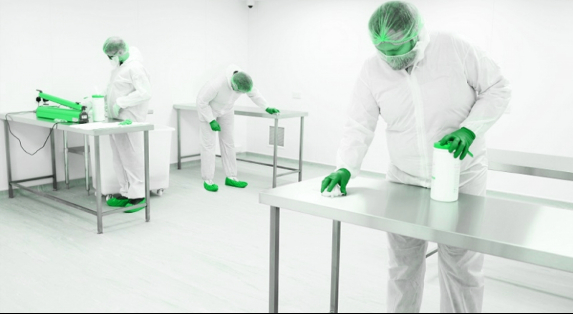
Using appropriately designed ESD furniture can help laboratories establish designated areas for handling sensitive components.
However, furniture alone does not guarantee ESD compliance. Laboratories should evaluate grounding, environmental conditions, personnel practices, flooring, humidity, and other elements of their overall ESD-control program.
The right furniture should therefore be considered part of a broader laboratory safety and quality strategy.
7. Provides Flexible Configuration Options
Every laboratory has different operational requirements. A research laboratory may require large working surfaces, while an electronics testing facility may need specialized equipment mounting, storage, and cable management.
Modern Laboratory ESD Workstations can be configured to accommodate different applications. Options may include:
- ESD-safe work surfaces
- Adjustable-height workbenches
- Storage cabinets and drawers
- Shelving systems
- Tool holders
- Lighting solutions
- Monitor mounts
- Cable-management systems
- ESD-safe seating
- Grounding accessories
This flexibility allows laboratories to design workstations around their actual workflow instead of forcing employees to adapt to unsuitable furniture.
8. Enhances Long-Term Operational Efficiency
Investing in appropriate laboratory furniture should be viewed as a long-term operational decision rather than simply a furniture purchase.
High-quality ESD laboratory furniture can support equipment protection, organization, ergonomics, and process consistency. When these factors work together, laboratories can potentially reduce avoidable downtime and improve the efficiency of routine operations.
A thoughtfully designed workstation can also adapt as laboratory requirements change, particularly when modular components and configurable accessories are used.
Choosing the Right Laboratory ESD Furniture
When selecting ESD furniture, laboratory professionals should consider more than appearance and price. Important factors include the type of components being handled, required surface dimensions, load capacity, grounding requirements, storage needs, ergonomic considerations, available laboratory space, and future expansion.
It is also important to select furniture from a supplier with experience in ESD-controlled environments.
Ziebaq offers solutions focused on specialized laboratory and ESD workstation requirements, helping organizations consider functionality, organization, and electrostatic control when developing their laboratory workspaces.
Laboratory managers should assess their specific processes before selecting a workstation configuration. The best solution is one that integrates naturally into the laboratory’s workflow while supporting the organization’s safety and operational requirements.
Conclusion
A laboratory workstation is more than a place where employees perform their daily tasks. It can directly influence productivity, organization, equipment protection, and process consistency.
Laboratory ESD Furniture helps create controlled work areas where sensitive components and equipment can be handled more safely and efficiently. From reducing electrostatic risks and protecting valuable electronics to improving organization and ergonomics, the right ESD workstation can contribute significantly to laboratory workflow improvement.
For laboratory professionals, investing in properly designed ESD laboratory furniture should therefore be considered an important part of creating an efficient, organized, and controlled working environment. With appropriate planning and solutions from specialized providers such as Ziebaq, laboratories can build workspaces that support both today’s operational requirements and future growth.