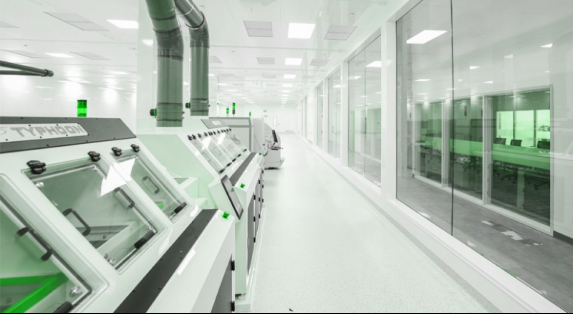
A well-organised laboratory is more than a space filled with advanced instruments and skilled professionals. It is an environment where every process needs to run smoothly, safely, and consistently. From research and testing to quality control and pharmaceutical analysis, laboratories depend on a reliable supply of gases to perform many essential operations.
However, managing gas cylinders individually or relying on poorly planned gas connections can create unnecessary challenges. Frequent cylinder replacement, inconsistent pressure, limited workspace, and safety concerns can interrupt daily laboratory activities.
This is where a properly designed Laboratory Gas Distribution System becomes valuable. By delivering gases efficiently from a central supply to designated laboratory equipment, it helps improve workflow, maintain operational consistency, and create a more organised working environment.
What Is a Laboratory Gas Distribution System?
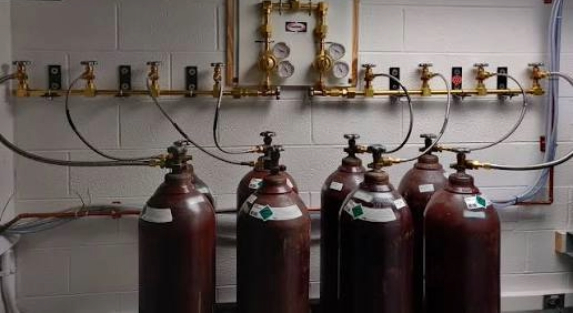
A Laboratory Gas Distribution System is an engineered arrangement of pipelines, regulators, manifolds, valves, and other components used to supply gases from a source to laboratory instruments and workstations.
Depending on the laboratory’s requirements, the system may distribute gases such as nitrogen, oxygen, hydrogen, helium, argon, carbon dioxide, and other specialty gases.
A typical laboratory gas supply system may include:
- Gas cylinders or a central gas storage source
- Gas manifolds and changeover systems
- Pressure regulators
- Gas distribution pipelines
- Isolation valves and control panels
- Gas outlets and connection points
- Safety and monitoring equipment
The system is designed according to gas type, required purity, operating pressure, flow rate, and the specific needs of laboratory equipment.
1. Reduces Time Spent on Gas Cylinder Management
In laboratories that use individual gas cylinders, staff may need to monitor cylinder pressure, arrange replacements, move cylinders, and reconnect equipment regularly.
These activities can consume valuable time that could otherwise be spent on research, testing, or analysis.
A centralised laboratory gas distribution system can simplify this process by supplying gas from a designated source through a pipeline network.
With a suitable manifold or automatic changeover arrangement, the system can also help maintain gas availability when one supply source becomes depleted.
This reduces the need for frequent manual intervention and allows laboratory personnel to focus more effectively on their core responsibilities.
2. Supports Consistent Gas Pressure and Flow
Many laboratory instruments require gases at specific pressure and flow conditions to operate correctly.
Unstable pressure or inconsistent gas flow may affect instrument performance, interrupt analytical procedures, or create unreliable operating conditions.
A properly designed laboratory gas pipeline system uses suitable pressure regulation and distribution components to deliver gas according to the requirements of connected equipment.
This is particularly important for applications such as:
- Gas chromatography
- Analytical testing
- Chemical research
- Pharmaceutical laboratories
- Calibration and quality control
Maintaining suitable gas supply conditions helps support consistent laboratory operations and reduces avoidable interruptions.
3. Creates a More Organised Laboratory Workspace
Laboratory space is often limited, especially in research facilities where multiple instruments, workbenches, and storage areas need to fit within the same environment.
Keeping gas cylinders near individual workstations can make the workspace crowded and difficult to manage.
A centralised gas distribution system can reduce the need to position cylinders throughout the laboratory. Gas is supplied through designated outlets, allowing equipment to be connected more conveniently.
This can help laboratories:
- Improve workstation organisation
- Reduce unnecessary equipment movement
- Make better use of available floor space
- Maintain clearer access routes
- Create a more professional laboratory environment
An organised workspace can also make routine activities easier for laboratory staff.
4. Improves Laboratory Safety Management
Safety is a critical consideration in every laboratory that handles compressed or specialty gases.
Improper cylinder handling, unsuitable connections, damaged regulators, and poorly maintained pipelines can create potential risks.
A professionally designed laboratory gas distribution system helps establish a controlled method of supplying gases throughout the facility.
Depending on the application, safety features may include:
- Suitable pressure regulators
- Gas-specific connections
- Isolation valves
- Leak detection arrangements
- Emergency shut-off provisions
- Appropriate ventilation and gas monitoring
These features should be selected according to the gases being used, the laboratory’s risk assessment, and applicable safety requirements.
A well-planned system supports safer gas handling practices and helps laboratory managers maintain better control over gas supply infrastructure.
5. Makes Laboratory Operations Easier to Scale
As laboratories expand, they may introduce additional instruments, research activities, or testing stations.
A gas distribution system designed without considering future requirements can become difficult and expensive to modify.
A scalable laboratory gas distribution system can be planned with suitable provisions for future connections and increased demand.
This allows laboratory managers to consider expansion without completely redesigning the existing gas supply infrastructure.
Planning for future capacity can help reduce installation disruptions and support long-term operational flexibility.
6. Helps Reduce Gas Wastage and Operating Costs
Gas wastage can occur due to leakage, inefficient connections, unsuitable pressure settings, or unnecessary gas consumption.
Over time, these issues can increase operating expenses, particularly in laboratories that use high-purity or specialty gases.
A properly engineered gas distribution system can help address these challenges through appropriate component selection, pressure regulation, and maintenance planning.
Regular inspection and leak testing are also important for identifying potential losses before they become significant.
Although the initial installation cost may vary depending on the laboratory’s requirements, a well-designed system can support better gas management and more efficient long-term operation.
7. Supports Different Laboratory Applications
Every laboratory has unique gas requirements based on its instruments, processes, and research activities.
For example, an analytical laboratory may require high-purity gases for testing, while a pharmaceutical facility may need specific gases for research, quality control, or production-related applications.
A customised Laboratory Gas Distribution System can be designed to accommodate these requirements.
The system design should consider:
- Gas type and purity
- Required operating pressure
- Flow rate and consumption
- Number of gas outlets
- Pipeline routing
- Equipment compatibility
- Safety and maintenance requirements
Working with an experienced laboratory gas system provider helps ensure that the distribution infrastructure is suitable for the laboratory’s actual operating needs.
Choosing the Right Laboratory Gas Distribution System
Selecting the right gas distribution solution requires more than choosing pipelines and regulators.
Before installation, laboratory managers should evaluate their current gas consumption, equipment specifications, safety requirements, and future expansion plans.
It is also important to work with a supplier or engineering team that understands laboratory gas applications and can recommend an appropriate system configuration.
A reliable laboratory gas distribution system supplier should be able to support the project through planning, component selection, installation, testing, and maintenance.
The goal is to create a gas supply infrastructure that supports efficient laboratory operations without introducing unnecessary complexity.
Conclusion
Laboratory efficiency depends on several factors, including equipment performance, staff productivity, workspace organisation, and the reliability of essential utilities.
A properly designed Laboratory Gas Distribution System can contribute to all these areas by simplifying gas supply management, supporting consistent pressure and flow, improving workspace organisation, and strengthening safety practices.
For laboratories planning a new facility or upgrading an existing gas supply network, investing in the right distribution system can provide long-term operational benefits.
The most effective solution is one that matches the laboratory’s technical requirements, supports its daily activities, and allows room for future growth.
Improve Your Laboratory’s Gas Supply Efficiency
Is your laboratory experiencing frequent cylinder changes, inconsistent gas pressure, or limited workspace?
A professionally designed Laboratory Gas Distribution System can help streamline gas supply, improve operational efficiency, and support a safer laboratory environment.
Contact our team today to discuss your laboratory gas requirements and explore a customised gas distribution solution designed around your facility’s needs.