Laboratories depend on gases for a wide range of applications, from analytical testing and research to pharmaceutical development, medical diagnostics, and industrial processes. Oxygen, nitrogen, hydrogen, helium, carbon dioxide, argon, compressed air, and other specialty gases can play an essential role in everyday laboratory operations.
But supplying these gases safely requires more than simply connecting a cylinder to laboratory equipment. A properly designed Laboratory Gas Distribution System helps ensure that gases reach the right locations at controlled conditions while minimizing risks associated with leaks, contamination, pressure problems, and improper installation.
For laboratory managers, facility planners, engineers, and safety professionals, investing in a reliable laboratory gas distribution system is an important part of creating a safe and efficient working environment.
What Is a Laboratory Gas Distribution System?
A Laboratory Gas Distribution System is an engineered network designed to transport gases from their source to designated laboratory points of use.
Depending on the facility, the system may include:
- Gas cylinders or bulk gas storage
- Gas manifolds
- Pressure regulation equipment
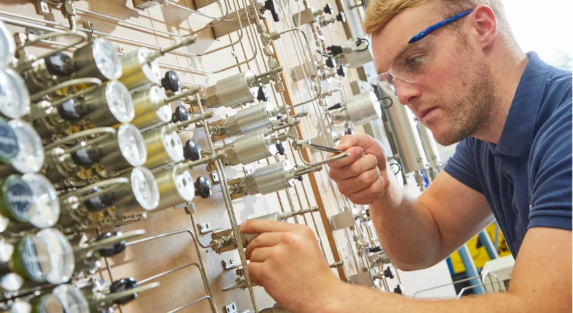
- Gas pipelines and piping networks
- Isolation valves
- Pressure monitoring devices
- Gas outlets and connection points
- Safety and detection equipment
- Point-of-use regulators
- Supporting ventilation and safety infrastructure
Instead of handling individual cylinders throughout the laboratory, a centralized laboratory gas supply system can distribute gases through appropriately designed piping to multiple workstations.
The exact configuration depends on the gases being used, laboratory processes, building layout, required purity, demand, and applicable safety requirements.
Why Proper Gas Distribution Matters for Laboratory Safety
Laboratory gases can present different hazards depending on their properties. Some are flammable, some are oxidizing, some can displace oxygen, and others may create toxic or corrosive environments if released.
A properly engineered laboratory gas distribution system helps control these risks by providing a structured method for storing, regulating, transporting, and delivering gases.
Here are some of the most important safety benefits.
1. Reduces the Risk of Gas Leaks
Gas leaks are one of the major concerns in any laboratory using compressed or specialty gases.
A poorly designed or improperly installed laboratory gas pipeline system can increase the possibility of leaks at connections, valves, joints, regulators, or other components.
A professionally designed system considers:
- Appropriate piping materials
- Correct connections
- Isolation points
- Accessibility for inspection
- Pressure control
- Maintenance requirements
- Compatibility between the gas and system components
Reducing potential leak points and making the system easier to inspect can significantly improve laboratory safety.
2. Provides Better Pressure Control
Different laboratory instruments and processes may require gases at different operating conditions.
Supplying gas directly from a high-pressure cylinder without appropriate regulation can create unnecessary safety and equipment risks.
A properly engineered laboratory gas distribution system incorporates suitable pressure regulation and monitoring so that gas can be delivered according to the requirements of the application.
This helps protect sensitive laboratory equipment while supporting consistent operations.
Pressure management should always be designed by qualified professionals based on the specific gas, equipment, application, and applicable engineering requirements.
3. Supports Safe Handling of Multiple Gases
Modern laboratories may use several gases simultaneously.
For example, one facility might require nitrogen for analytical applications, helium for chromatography, carbon dioxide for cell culture, and compressed air for laboratory equipment.
Each gas has its own characteristics and handling considerations.
A properly planned laboratory gas piping system helps keep gas supplies organized and appropriately separated, reducing the possibility of incorrect connections or cross-contamination.
Clear identification, labeling, isolation provisions, and suitable connection systems are important parts of safe gas distribution.
4. Helps Reduce Cylinder-Handling Risks
Gas cylinders are essential in many laboratories, but manually moving and replacing cylinders can introduce additional hazards.
Depending on the facility and gas requirements, a centralized laboratory gas supply system can reduce the need to move individual cylinders into active laboratory areas.
This can help minimize risks associated with:
- Cylinder movement
- Improper storage
- Accidental impact
- Incorrect connections
- Manual handling
- Congested laboratory workspaces
Centralized supply arrangements can also make gas management more organized and easier to monitor.
However, cylinders and bulk sources still require appropriate storage, securing, handling, and ventilation according to applicable requirements.
5. Helps Protect Gas Purity
For analytical, pharmaceutical, research, and other specialized applications, gas purity can be just as important as gas availability.
Contamination within a laboratory gas distribution system can affect analytical results, experimental processes, and sensitive equipment.
The system therefore needs to be designed around the intended gas quality and application.
Factors such as appropriate materials, system cleanliness, component compatibility, installation practices, and maintenance can influence gas purity.
For high-purity applications, the design requirements may be considerably more stringent than those of general laboratory gas services.
6. Improves Laboratory Organization
Safety and efficiency often go hand in hand.
A well-planned laboratory gas distribution system design can eliminate unnecessary hoses and temporary connections running across laboratory spaces.
Instead, gases can be delivered through designated outlets located where they are needed.
This can create a cleaner and more organized workspace while reducing potential trip hazards and accidental interference with gas connections.
For laboratories undergoing construction or renovation, gas distribution should ideally be considered during the facility planning stage rather than added as an afterthought.
7. Supports Better Isolation During Emergencies
A laboratory gas system should not only be designed for normal operation. Emergency scenarios also need to be considered.
If a leak, equipment failure, or other problem occurs, appropriate isolation provisions can help personnel shut off affected sections of the system.
Depending on the system design, isolation may be provided at strategic locations to limit the affected area.
Emergency shutoff arrangements should be clearly identified and accessible to authorized personnel, with procedures established for responding to gas-related incidents.
8. Helps Protect Laboratory Equipment
Gas quality and pressure can directly affect laboratory instruments.
Unexpected pressure fluctuations, contamination, unsuitable connections, or incorrect gas selection may damage sensitive equipment or interfere with its operation.
A professionally engineered laboratory gas distribution system considers the requirements of connected equipment and processes.
This can help create a more stable gas supply while reducing avoidable operational interruptions.
9. Supports Compliance and Safety Planning
Laboratory gas systems are not simply plumbing networks. Their design can involve multiple safety and engineering considerations.
Depending on the facility, location, gases, and application, relevant building, fire, occupational safety, gas-handling, and engineering requirements may apply.
Professional laboratory gas installation should therefore be planned and executed by appropriately qualified specialists who understand the applicable standards and site requirements.
Documentation, testing, commissioning, labeling, inspection, and maintenance should also form part of the overall safety program.
Common Problems Caused by Poor Gas Distribution Design
A poorly planned gas distribution system can create problems that may not be immediately obvious.
Common issues include:
Incorrect Gas Connections
Poor labeling or incompatible connection arrangements can increase the possibility of connecting the wrong gas to laboratory equipment.
Difficult-to-Access Valves
If isolation valves are hidden, obstructed, or poorly positioned, responding to an emergency can become more difficult.
Excessive Pressure
Inadequate regulation can expose equipment and components to unsuitable pressure conditions.
Gas Leakage
Poor installation practices, unsuitable components, or inadequate maintenance can contribute to leaks.
Contamination
Incorrect materials, poor system cleanliness, or unsuitable installation practices may affect gas quality.
Poor System Identification
Unclear pipe identification or outlet labeling can create confusion for laboratory personnel.
Difficult Maintenance
A system that was not designed with inspection and maintenance in mind can become difficult and costly to manage over time.
These problems demonstrate why laboratory gas system design should be treated as a safety-critical engineering consideration rather than simply an installation task.
How to Improve Laboratory Gas Distribution Safety
Laboratory managers and facility owners can take several steps to improve gas distribution safety.
Conduct a System Assessment
Review the existing gas network, including supply sources, piping, valves, regulators, outlets, connections, and equipment.
Identify Gas-Specific Risks
Different gases require different safety considerations. Review the properties and intended applications of every gas used within the facility.
Check for Potential Leak Points
Regular inspection and appropriate testing can help identify problems before they become major safety issues.
Review Labeling and Identification
Pipes, outlets, valves, and gas sources should be clearly identified according to the applicable requirements and facility procedures.
Plan for Emergency Isolation
Personnel should know how gas supplies can be isolated and what procedures should be followed during an incident.
Schedule Preventive Maintenance
Regular inspection and maintenance can help identify deteriorating components, damaged connections, and other issues.
Work With Qualified Professionals
Gas distribution systems should be designed, installed, tested, and commissioned by appropriately qualified professionals with experience in laboratory applications.
Why Professional Laboratory Gas Distribution System Design Matters
Every laboratory is different.
A small research laboratory may have completely different requirements from a pharmaceutical manufacturing laboratory, hospital laboratory, university research center, or industrial testing facility.
That means there is no single configuration that works for every facility.
Professional laboratory gas distribution system design typically begins with understanding:
- Laboratory processes
- Types of gases required
- Gas consumption and demand
- Required gas quality
- Building layout
- Number and location of outlets
- Equipment requirements
- Storage arrangements
- Ventilation considerations
- Safety requirements
- Future expansion needs
- Applicable codes and standards
Taking these factors into account from the beginning can help create a system that is safer, easier to maintain, and better aligned with the laboratory’s operational requirements.
Maintenance Is Just as Important as Installation
Even a well-designed laboratory gas distribution system requires ongoing attention.
Laboratory managers should establish appropriate inspection and maintenance procedures based on the system design and applicable requirements.
Maintenance programs may include inspection of:
- Gas cylinders and supply sources
- Regulators
- Valves
- Pipeline connections
- Gas outlets
- Labels and identification
- Pressure monitoring equipment
- Leak detection systems
- Emergency shutoff arrangements
Personnel should also receive appropriate training on gas handling, emergency procedures, and the safe use of connected equipment.
A system that was installed correctly but neglected over time can still become a safety concern.
The Role of Proper Planning in New Laboratory Projects
For new laboratory construction, gas distribution should be considered early in the design process.
Waiting until construction is nearly complete can make it harder to position outlets correctly, accommodate future equipment, or integrate safety systems effectively.
Early planning allows engineers and facility teams to consider the complete laboratory gas pipeline system alongside electrical services, ventilation, laboratory furniture, equipment layouts, and other building infrastructure.
This integrated approach can reduce redesign requirements and help create a more functional laboratory environment.
Final Thoughts
A reliable Laboratory Gas Distribution System is an important component of laboratory safety. From reducing potential leak risks and managing pressure to protecting gas purity and supporting emergency isolation, the system influences both day-to-day laboratory operations and long-term safety.
The key is to look beyond the pipes themselves. A safe laboratory gas system requires appropriate planning, engineering, installation, testing, identification, maintenance, and staff awareness.
Whether you are building a new laboratory, expanding an existing facility, or upgrading an outdated gas network, professional assessment and system design can help ensure that your gas infrastructure is aligned with your laboratory’s actual needs.
Need a Reliable Laboratory Gas Distribution System?
Planning a new laboratory gas network or upgrading an existing laboratory gas distribution system? Work with experienced professionals who can assess your laboratory requirements and develop a safe, efficient, and application-specific gas distribution solution.
Contact our team today to discuss your laboratory gas distribution requirements, system design, installation, or upgrade project. Let’s build a gas infrastructure designed around safety, reliability, and long-term laboratory performance.