When it comes to ensuring safety and compliance in a laboratory, lab chemical storage cabinets are essential. These cabinets are designed to keep chemicals properly stored, minimizing the risk of accidents and ensuring a well-organized space. However, choosing the right chemical storage cabinet can be a daunting task due to the wide range of options available. In this guide, we’ll walk you through the key factors to consider when selecting the best lab chemical storage cabinet for your lab.
The Importance of Choosing the Right Lab Chemical Storage Cabinet
Proper lab chemical storage cabinets play a crucial role in ensuring the safety of the people working in the laboratory, as well as preventing damage to the chemicals themselves. Improper storage can lead to chemical spills, reactions, and even catastrophic accidents, including fires or explosions. The importance of selecting the right chemical storage solutions cannot be overstated, as these cabinets are specifically designed to safely store various types of chemicals under controlled conditions.
Every chemical has its own set of characteristics, such as volatility, corrosiveness, and toxicity, which influence how and where it should be stored. A well-chosen chemical storage cabinet can prevent these hazards by providing a safe, organized environment where chemicals are kept according to best practices and regulatory standards. This reduces the likelihood of accidents and promotes the efficient management of chemicals in the laboratory.
Moreover, lab chemical storage cabinets also help with compliance with regulatory requirements such as OSHA (Occupational Safety and Health Administration) standards, NFPA (National Fire Protection Association) guidelines, and local fire codes. These standards are put in place to ensure the safe handling, storing, and disposal of chemicals, safeguarding both laboratory personnel and the environment.
Types of Chemicals and Storage Requirements
The first and most crucial factor when choosing a lab chemical storage cabinet is understanding the types of chemicals you plan to store. Different chemicals require specific storage conditions based on their properties. Lab chemical storage cabinets are typically categorized based on the chemical type they are designed to store, including:
Flammable Chemicals:
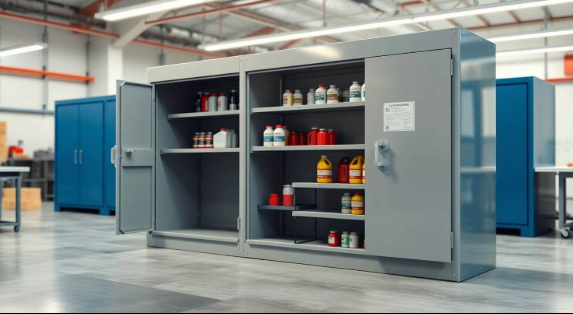
Flammable chemicals pose a significant risk because they can easily ignite in the presence of heat, sparks, or open flames. Flammable storage cabinets are specially designed with features like self-closing doors, flame arresters, and fire-resistant construction to prevent the spread of fire. These cabinets are typically made from heavy-duty steel and are equipped with internal ventilation systems that allow for the dissipation of vapors that could otherwise ignite. It’s essential to store flammable chemicals in these cabinets to meet fire safety codes and prevent dangerous accidents.
Corrosive Chemicals:
Corrosive chemicals, such as acids and alkalis, can cause severe damage to both living tissues and materials. For this reason, corrosive storage cabinets are designed with materials that resist chemical degradation, such as polyethylene or fiberglass. These cabinets also come with shelving systems that allow for easy organization of chemicals, ensuring that they are stored in an orderly and accessible manner. Additionally, these cabinets often have leak-proof designs to prevent spills from damaging the surrounding environment.
Acid and Base Chemicals:
Acids and bases require special attention in storage because of their potential to react with other substances or materials. Acid storage cabinets are designed to handle these potent chemicals safely. They often feature non-reactive shelves and adequate ventilation to ensure that harmful fumes are vented outside the laboratory. These cabinets may also have corrosion-resistant coatings to withstand any potential spills or leaks.
Each type of cabinet is built with features that mitigate the specific risks posed by these chemicals, ensuring both safety and compliance with regulatory standards.
Key Features to Consider When Choosing a Lab Chemical Storage Cabinet
When selecting the best lab chemical storage cabinet, several key features should be considered to ensure the safety, durability, and effectiveness of the storage system. These features will depend on the type of chemicals you plan to store, as well as the overall safety needs of your laboratory.
Material Construction:
The material of a chemical storage cabinet is one of the most important considerations. Cabinets for flammable chemicals are often made from fire-resistant steel, which helps to contain fires and prevent them from spreading. On the other hand, cabinets for corrosive substances are often constructed with polyethylene or fiberglass to prevent rust and corrosion from damaging the cabinet. The material should match the type of chemicals stored to ensure long-term durability and safety.
Ventilation:
Proper ventilation is crucial when storing chemicals that emit fumes or vapors. Ventilated cabinets help to disperse harmful vapors into the atmosphere, preventing them from building up to dangerous levels within the lab. Look for lab chemical storage cabinets with adjustable vents or integrated exhaust systems to ensure that the cabinet provides adequate airflow and reduces the risk of hazardous vapor accumulation.
Fire Resistance:
Fire resistance is a critical feature when storing flammable chemicals. Fire-resistant chemical storage cabinets are rated based on how long they can withstand high temperatures before reaching their flashpoint. A good cabinet should provide at least 30 minutes of fire protection to give lab personnel enough time to respond in the event of a fire.
Security Features:
In some labs, security is a top priority, especially when handling hazardous or sensitive chemicals. Lockable cabinets with keyed or electronic locks prevent unauthorized access to potentially dangerous substances. This feature is particularly important in educational settings, research labs, and commercial environments where restricted chemicals are present.
Compliance and Safety Standards
Another essential consideration when choosing a lab chemical storage cabinet is compliance with safety standards. Regulatory bodies like OSHA (Occupational Safety and Health Administration) and NFPA (National Fire Protection Association) provide specific guidelines for chemical storage in laboratories to ensure the safety of workers and the environment. These regulations cover everything from ventilation and fire resistance to labeling and the proper placement of chemicals.
For instance, OSHA mandates that chemicals be stored according to their hazard classification, and NFPA’s Fire Code (NFPA 30) outlines requirements for fire-resistant storage. Be sure to choose lab chemical storage cabinets that meet these regulations to avoid fines and to ensure the safety of your team. Additionally, check for certifications from recognized organizations that verify a cabinet’s compliance with fire and chemical storage safety standards.
By selecting a chemical storage cabinet that adheres to these regulations, you can ensure that your lab is both safe and legally compliant. Proper storage also helps in case of audits or inspections, as well as when handling hazardous chemicals in a professional capacity.
Conclusion: Make the Right Choice for Safety and Compliance
Selecting the right lab chemical storage cabinet is critical to maintaining a safe and compliant laboratory environment. By considering the type of chemicals being stored, the materials and features of the cabinet, and regulatory standards, you can ensure that your lab is equipped with the best storage solutions. Whether you need cabinets for flammable, corrosive, or acid-base chemicals, it’s essential to invest in quality, compliance, and safety.
Ultimately, the best chemical storage cabinet is one that suits the specific needs of your laboratory while meeting all required safety standards. Properly chosen storage solutions not only protect your chemicals and lab personnel but also promote a safe, organized, and efficient workspace.