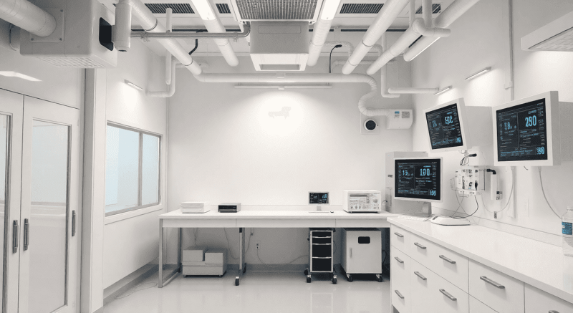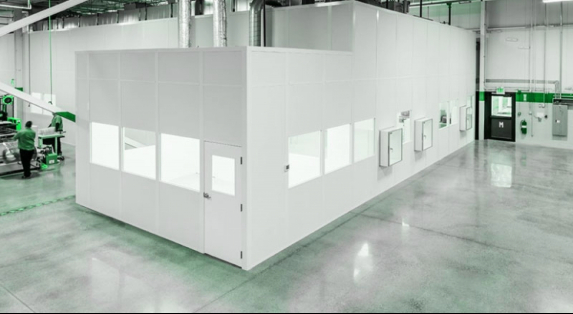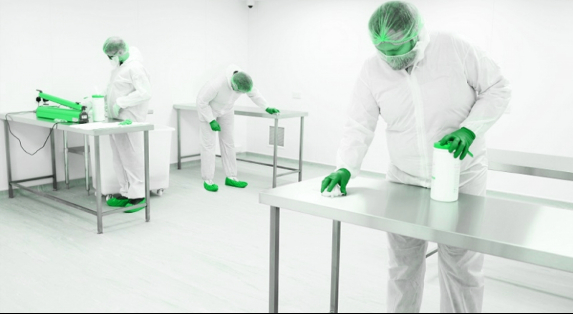
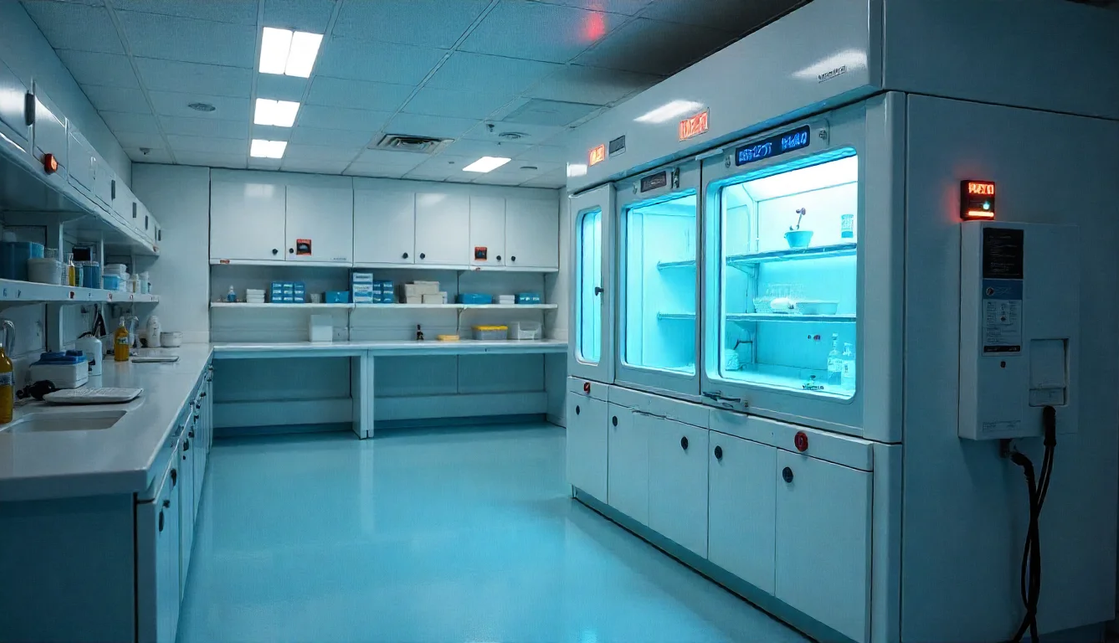
Laboratories often work with biological materials, microorganisms, cell cultures, and other substances that require controlled handling. In these environments, laboratory safety cannot depend on equipment alone. The equipment must be correctly selected, installed, tested, maintained, and used.
A Laboratory Biosafety Cabinet is an important part of this safety infrastructure. It is designed to provide a controlled work environment and, depending on its classification and application, help protect laboratory personnel, samples, and the surrounding environment.
However, even a high-quality biological safety cabinet may not provide the expected level of protection if it is incorrectly installed, poorly maintained, or operating outside its intended parameters.
This is where professional biosafety cabinet services become important.
From installation and certification to maintenance, testing, and troubleshooting, qualified professionals can help laboratories keep their biosafety cabinets operating as intended and support a safer working environment.
What Is a Laboratory Biosafety Cabinet?
A Laboratory Biosafety Cabinet, also called a biological safety cabinet or BSC, is specialized laboratory equipment designed to provide a controlled environment for work involving biological materials.
Depending on the cabinet classification and application, protection may be provided for:
- Laboratory personnel
- Laboratory materials and samples
- The surrounding environment
Biosafety cabinets use controlled airflow and filtration systems to help manage airborne particles and contaminants. Different cabinet classes are designed for different levels of protection and applications.
Choosing the appropriate cabinet requires consideration of the laboratory’s processes, materials, risk assessment, equipment requirements, and applicable guidelines.
Why Professional Biosafety Cabinet Services Matter
Purchasing a biosafety cabinet is only one part of establishing a safe laboratory environment.
A cabinet needs to perform properly throughout its service life. Airflow, filters, alarms, physical components, and other system elements can require inspection, testing, maintenance, or certification.
Professional biosafety cabinet services help laboratories address these requirements systematically.
Qualified technicians can assess the equipment, identify potential issues, perform appropriate testing, and recommend corrective action when necessary.
1. Professional Installation Helps Establish Proper Operation
The installation environment can influence biosafety cabinet performance.
Factors such as cabinet positioning, room airflow, nearby equipment, doors, ventilation systems, and available service connections may need to be considered.
Improper placement can interfere with airflow and potentially affect cabinet performance.
Professional laboratory biosafety cabinet installation takes the laboratory environment and manufacturer’s requirements into account rather than simply positioning the cabinet wherever space is available.
A proper installation process may include:
- Reviewing the intended application
- Assessing the installation location
- Positioning the cabinet appropriately
- Connecting required services
- Checking operating conditions
- Verifying basic functionality
- Preparing the cabinet for applicable certification or testing
2. Certification Helps Verify Cabinet Performance
A biosafety cabinet should not simply be assumed to be operating correctly because it turns on and appears functional.
Performance needs to be evaluated using appropriate testing procedures.
Biosafety cabinet certification can involve testing relevant performance characteristics, depending on the cabinet type, application, and applicable requirements.
Testing may evaluate areas such as:
- Airflow performance
- Filter integrity
- Cabinet containment
- Alarm functionality
- Physical condition
- Other applicable safety parameters
The exact tests and acceptance criteria depend on the cabinet and relevant standards or guidelines.
Professional certification provides laboratory managers with documented information about the cabinet’s tested condition.
3. Routine Maintenance Helps Prevent Avoidable Problems
Like other laboratory equipment, a Laboratory Biosafety Cabinet requires appropriate maintenance.
Over time, components can become worn, filters can require attention, alarms may develop faults, and other issues can affect performance.
A preventive maintenance program can help identify potential problems before they become significant operational or safety concerns.
Depending on the equipment, maintenance may include inspection of:
- Blowers and airflow systems
- Filters
- Alarms
- Work surfaces
- Sash or access components
- Electrical components
- Seals and other relevant components
- Physical damage or deterioration
Maintenance activities should follow the manufacturer’s instructions and applicable laboratory requirements.
4. Airflow Testing Is an Important Part of Performance Verification
Airflow is fundamental to the operation of many biosafety cabinets.
Changes in airflow can result from equipment problems, environmental conditions, filter loading, installation changes, or other factors.
Professional biosafety cabinet testing can help determine whether the cabinet is operating within the applicable performance requirements.
Testing should be conducted using appropriate procedures and equipment by qualified personnel.
For laboratory managers, documented testing can provide greater visibility into equipment condition and help identify when corrective action may be required.
5. Professional Services Help Identify Potential Equipment Issues
A biosafety cabinet may show obvious signs of a problem, such as an alarm or unusual noise. However, some performance issues may not be immediately visible to laboratory personnel.
Professional inspection and testing can help identify issues that require further investigation.
For example, technicians may identify:
- Unexpected airflow behavior
- Filter-related concerns
- Alarm problems
- Damaged components
- Installation-related issues
- Physical deterioration
- Conditions that require corrective maintenance
Early identification can help laboratory managers address problems before they result in extended equipment downtime.
6. Proper Maintenance Can Extend Equipment Service Life
A biosafety cabinet represents a significant investment for many laboratories.
Replacing equipment prematurely can increase capital costs and create operational disruption.
Appropriate maintenance can help keep equipment in usable condition for longer, although the service life of any cabinet depends on its design, operating environment, usage, maintenance history, and component condition.
Professional biosafety cabinet maintenance services can help laboratories establish a structured approach to equipment care.
This may include scheduled inspections, performance checks, component evaluation, and recommendations for repair or replacement.
7. Professional Services Support Laboratory Compliance
Laboratories may need to meet various institutional, regulatory, occupational safety, accreditation, or facility requirements.
The specific requirements vary depending on the laboratory’s location, application, biological materials, and organizational framework.
Professional biosafety cabinet services can help laboratories maintain documentation related to installation, testing, certification, and maintenance.
This documentation can be valuable during:
- Internal safety reviews
- Laboratory inspections
- Accreditation activities
- Equipment audits
- Facility management reviews
- Preventive maintenance programs
Professional service providers should work according to applicable requirements and provide appropriate documentation for the work performed.
8. Helps Laboratories Make Better Equipment Decisions
Not every biosafety cabinet is suitable for every laboratory application.
For example, the requirements of a microbiology laboratory may differ from those of a pharmaceutical research facility or clinical laboratory.
Professional service providers can help laboratory managers evaluate whether existing equipment is appropriate for its intended use.
They may assess:
- Cabinet type
- Laboratory workflow
- Equipment condition
- Application requirements
- Available workspace
- Airflow considerations
- Maintenance history
- Future laboratory needs
This can help organizations avoid making equipment decisions based solely on initial purchase price.
9. Supports Safer Laboratory Workflows
Laboratory safety is not only about individual pieces of equipment. It also involves how equipment interacts with the overall workspace.
A biosafety cabinet may be affected by nearby doors, traffic, ventilation systems, laboratory equipment, and other environmental factors.
Professional assessment can help identify potential workflow or installation issues that could interfere with cabinet operation.
This broader perspective can contribute to a more thoughtfully planned laboratory environment.
10. Professional Troubleshooting Reduces Unnecessary Downtime
When a Laboratory Biosafety Cabinet develops a problem, laboratory operations may be interrupted.
Attempting to diagnose technical problems without appropriate expertise can potentially make the situation worse or delay the correct repair.
Professional technicians can evaluate reported problems and determine whether the issue relates to airflow, controls, filters, alarms, electrical components, installation conditions, or another part of the system.
A structured troubleshooting process can help laboratories return equipment to appropriate operation more efficiently.
Common Signs That a Biosafety Cabinet May Need Professional Attention
Laboratory personnel should follow their organization’s procedures for reporting equipment concerns.
Some potential warning signs may include:
- Unexpected alarms
- Changes in airflow behavior
- Unusual noises or vibrations
- Physical damage
- Problems with cabinet controls
- Damaged seals or components
- Difficulty maintaining expected operating conditions
- Failed or overdue certification
- Significant changes to the laboratory environment
- Relocation or modification of the cabinet
A visible problem should not be ignored simply because the cabinet continues to operate.
When Should a Laboratory Biosafety Cabinet Be Professionally Serviced?
The appropriate service schedule depends on the cabinet, manufacturer recommendations, laboratory application, applicable requirements, and operating environment.
Professional attention may be required when:
- A new cabinet is installed
- A cabinet is relocated
- Certification is due
- The cabinet undergoes significant repair
- Performance concerns are identified
- Filters or major components are replaced
- Laboratory ventilation conditions change
- The cabinet is modified
- An alarm or operational fault occurs
Laboratories should maintain records of inspections, certifications, repairs, and other relevant service activities.
Choosing the Right Biosafety Cabinet Service Provider
Selecting a service provider is an important decision because biosafety cabinet performance is closely connected to laboratory safety.
When evaluating a provider, consider:
Technical Experience
Look for professionals with relevant experience servicing the type of biosafety cabinet used in your laboratory.
Certification and Training
Ask about technician qualifications, training, and relevant certifications where applicable.
Testing Capabilities
Confirm that the provider has appropriate equipment and procedures for the required testing and certification work.
Documentation
A professional provider should be able to provide clear service records and test documentation.
Manufacturer Knowledge
Experience with the relevant cabinet manufacturer and model can be beneficial when troubleshooting or sourcing appropriate components.
Responsive Support
Laboratory equipment problems can affect research, testing, and production schedules. Consider whether the provider can offer appropriate technical support when required.
Professional Biosafety Cabinet Services: A Long-Term Safety Approach
The role of professional service providers should not be limited to fixing equipment after something goes wrong.
A more proactive approach combines:
Installation → Testing → Certification → Preventive Maintenance → Performance Monitoring → Troubleshooting → Documentation
This lifecycle approach helps laboratory managers maintain better visibility into equipment condition and plan maintenance or replacement decisions more effectively.
It also reinforces an important principle: laboratory safety is an ongoing process rather than a one-time installation task.
Final Thoughts
A Laboratory Biosafety Cabinet can be an important component of a controlled laboratory environment, but its effectiveness depends on proper selection, installation, operation, testing, and maintenance.
Professional biosafety cabinet services can support laboratories throughout the equipment lifecycle—from initial installation and certification to preventive maintenance, troubleshooting, and performance verification.
For laboratory managers, facility teams, researchers, and safety professionals, investing in qualified service support can help create a more structured approach to equipment reliability and laboratory safety.
Looking for Professional Laboratory Biosafety Cabinet Services?
Whether you are installing a new Laboratory Biosafety Cabinet, planning routine certification, troubleshooting an existing cabinet, or developing a preventive maintenance program, professional support can help you make informed decisions.
Contact our team today to discuss your biosafety cabinet installation, certification, testing, maintenance, or service requirements. Let us help you maintain a reliable laboratory environment built around safety, performance, and long-term equipment care.