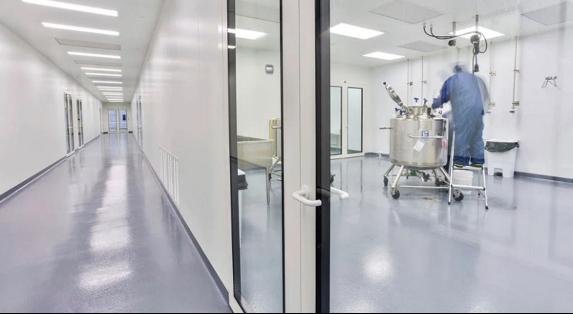
Clean rooms are critical environments designed to maintain extremely low levels of particulates, microbes, and airborne contaminants. Industries such as pharmaceuticals, biotechnology, electronics, and healthcare rely heavily on these controlled spaces to ensure product quality and regulatory compliance. However, even with strict protocols and advanced systems, hidden contamination sources can compromise clean room performance.
Implementing robust Clean Rooms Solutions is essential to identify and eliminate these invisible risks. By leveraging advanced technologies and best practices, companies like Ziebaq provide comprehensive clean room solutions that enhance operational efficiency and contamination control. Below, we explore five major hidden sources of contamination and how they can be effectively managed.
1. Personnel Contamination: The Invisible Risk
Personnel are often the largest contributors to contamination within clean rooms. Despite wearing protective garments, humans continuously shed millions of skin particles and microorganisms. These particles can easily compromise sensitive processes if not properly controlled.
One of the primary issues lies in improper gowning procedures. If employees fail to follow correct protocols while wearing clean room attire, contaminants can enter the controlled environment. Additionally, excessive movement within the clean room increases particle dispersion, further elevating contamination risks. Lack of proper training and awareness also contributes significantly to this issue.
To mitigate these risks, effective Clean Rooms Solutions focus on strict personnel protocols. This includes implementing standardized gowning procedures, using air showers before entry, and limiting unnecessary movement inside the clean room. Regular training sessions are also essential to ensure that employees understand and adhere to contamination control practices.
Ziebaq addresses personnel-related contamination by designing clean rooms that optimize workflow and reduce unnecessary human interaction. Their solutions emphasize ergonomic layouts and controlled access points, ensuring minimal disruption to the clean environment. By combining advanced design with strict procedural controls, Ziebaq helps organizations maintain high levels of cleanliness and operational efficiency.
2. HVAC Systems and Airflow Control Challenges
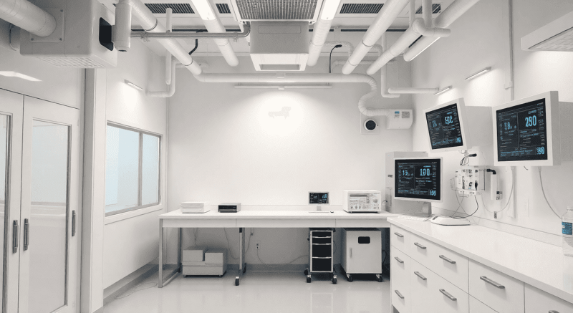
The HVAC system is the backbone of any clean room, responsible for maintaining air quality, temperature, humidity, and pressure levels. However, even minor inefficiencies in airflow management can lead to significant contamination issues.
One of the most common hidden risks is poor maintenance of HEPA filters. Over time, these filters can become clogged or less effective, allowing contaminants to circulate within the clean room. Additionally, improper airflow design can create turbulence, disrupting the intended laminar flow and causing particles to settle on critical surfaces. Pressure imbalances between different clean room zones can also result in cross-contamination.
Advanced Clean Rooms Solutions address these challenges through precise engineering and regular system validation. This includes routine inspection and replacement of filters, real-time monitoring of airflow patterns, and maintaining proper pressure differentials. Laminar airflow systems are particularly effective in minimizing turbulence and ensuring consistent air distribution.
Ziebaq specializes in designing high-performance HVAC systems tailored to specific clean room requirements. Their solutions incorporate advanced monitoring technologies and automated controls to maintain optimal conditions at all times. By ensuring consistent airflow and filtration, Ziebaq’s clean room solutions significantly reduce the risk of airborne contamination.
3. Equipment and Surface Contamination Risks
Equipment and surfaces within clean rooms can act as major sources of hidden contamination if not properly managed. Even small amounts of residue or particles can accumulate over time, posing a risk to sensitive processes.
One common issue is the use of non-cleanroom-grade materials. Equipment that is not specifically designed for clean room environments may shed particles or harbor contaminants. Additionally, inadequate cleaning schedules can lead to the buildup of residues on surfaces, further increasing contamination risks.
Effective Clean Rooms Solutions emphasize the use of high-quality, non-shedding materials and equipment specifically designed for controlled environments. Regular cleaning and validation processes are also essential to ensure that all surfaces remain free from contaminants. Implementing strict maintenance protocols helps prevent the accumulation of harmful particles.
Ziebaq integrates contamination-resistant materials and advanced equipment into their clean room designs. Their solutions prioritize durability, ease of cleaning, and compliance with industry standards. By focusing on both equipment selection and maintenance, Ziebaq ensures that clean room environments remain consistently controlled and contamination-free.
4. Cleaning Materials and Procedural Gaps
While cleaning is a fundamental aspect of maintaining clean rooms, improper cleaning materials and techniques can inadvertently introduce contaminants. This paradox highlights the importance of using the right tools and procedures.
One hidden risk is the use of cleaning agents that leave residues or are not compatible with clean room standards. Additionally, reusable wipes or cloths may shed fibers, contributing to particulate contamination. Inconsistent cleaning practices among staff can also lead to uneven results, leaving certain areas vulnerable.
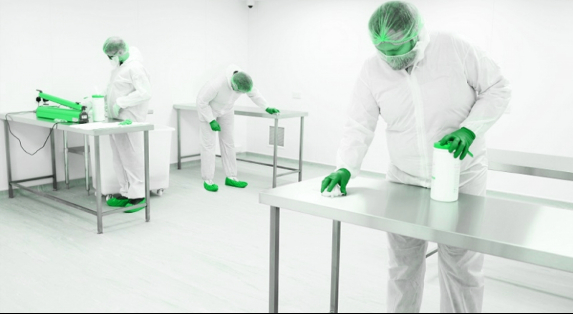
To address these challenges, modern Clean Rooms Solutions incorporate validated cleaning protocols and high-quality materials. This includes the use of sterile, lint-free wipes and approved cleaning agents that do not leave residues. Standardized procedures ensure consistency across all cleaning activities, reducing the likelihood of contamination.
Ziebaq provides comprehensive guidance on cleaning practices as part of their clean room solutions. Their approach includes staff training, process validation, and the use of industry-approved materials. By ensuring that cleaning processes are both effective and compliant, Ziebaq helps maintain the integrity of clean room environments.
5. Material Transfer and Handling Issues
Material transfer is another critical area where hidden contamination can occur. Every item entering the clean room—whether raw materials, tools, or packaging—poses a potential risk.
Improper transfer procedures can introduce contaminants from external environments. For instance, materials that are not properly decontaminated before entry can compromise the entire clean room. The absence of airlocks or pass-through chambers further increases the risk of contamination during material handling.
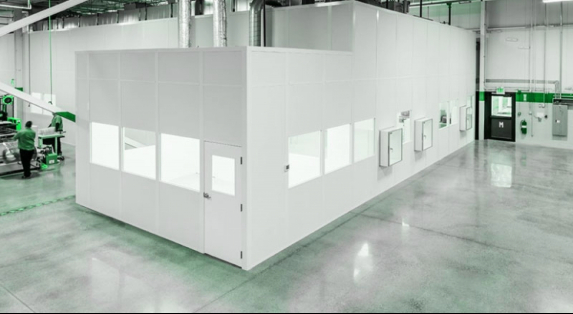
Comprehensive Clean Rooms Solutions address these issues by implementing controlled material transfer systems. This includes the use of airlocks, pass boxes, and decontamination protocols to ensure that all items entering the clean room meet strict cleanliness standards. Proper packaging and handling procedures are also essential to minimize risks.
Ziebaq incorporates advanced material handling systems into their clean room designs. Their solutions ensure that all materials undergo thorough decontamination before entering controlled environments. By maintaining strict control over material transfer processes, Ziebaq helps organizations prevent contamination and maintain high standards of cleanliness.
Final Thoughts
Hidden contamination sources can significantly impact clean room performance if not properly addressed. From personnel and HVAC systems to equipment, cleaning practices, and material handling, each factor plays a crucial role in maintaining a contamination-free environment.
Investing in advanced Clean Rooms Solutions is essential for identifying and mitigating these risks. With expertise in clean room design and management, Ziebaq provides tailored solutions that ensure compliance, efficiency, and long-term reliability. By adopting a comprehensive approach to contamination control, businesses can safeguard their operations and maintain the highest standards of quality.