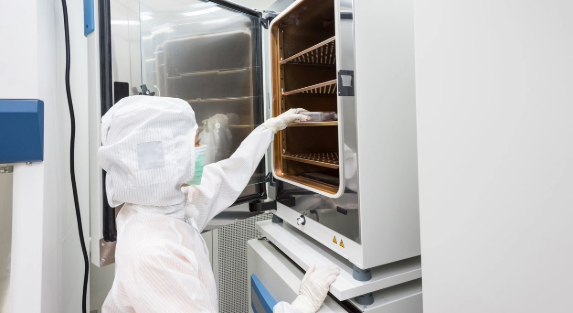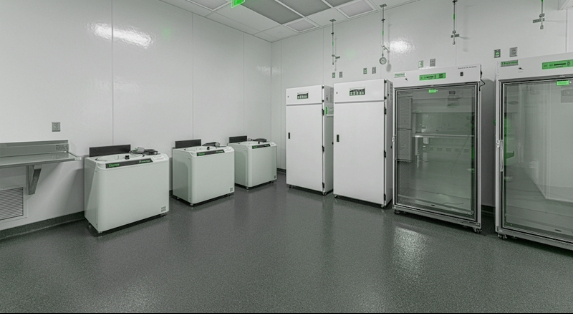
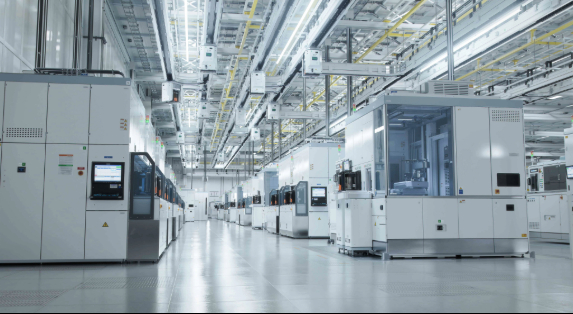
A cleanroom is designed to maintain a highly controlled environment where airborne particles, temperature, humidity, pressure, and other contamination risks must remain within defined limits. While achieving this level of control is essential for industries such as pharmaceuticals, biotechnology, medical devices, electronics, aerospace, and research, it can also require significant energy.
One of the biggest contributors to cleanroom energy consumption is the air-handling and filtration system. The design of a Cleanroom Particle Filtration System directly influences how hard fans, air-handling units, HVAC equipment, and other components must work to maintain the required environmental conditions.
The good news is that energy efficiency does not have to come at the expense of contamination control. With thoughtful cleanroom filtration system design, appropriate airflow strategies, efficient filters, and proper system maintenance, facilities can reduce operating costs while maintaining the required level of cleanliness.
What Is a Cleanroom Particle Filtration System?
A Cleanroom Particle Filtration System is a combination of filtration and air-handling components designed to remove airborne particles and help maintain controlled air quality within a cleanroom.
Depending on the application, a cleanroom filtration system may include:
- HEPA or ULPA filters
- Fan filter units (FFUs)
- Air-handling units
- Ductwork
- Filter housings
- Supply and return air systems
- Airflow control devices
- Pressure-control components
- Particle monitoring equipment
- HVAC integration and controls
The filtration system works together with airflow and HVAC equipment to continuously move, filter, condition, and recirculate air.
However, moving large quantities of air through high-efficiency filters requires energy. This makes filtration system design an important factor in the facility’s overall energy profile.
Why Cleanrooms Can Consume Significant Energy
Unlike conventional commercial spaces, cleanrooms often require continuous air circulation and environmental control.
A typical cleanroom may need to maintain:
- Controlled airborne particle concentrations
- Specific temperature ranges
- Controlled humidity
- Positive or negative pressure relationships
- High air-change rates
- Unidirectional or controlled airflow
- Continuous filtration
Fans and air-handling equipment may operate around the clock to maintain these conditions.
The result is a substantial electrical load, particularly when a facility uses inefficient fans, excessive airflow, poorly selected filters, or outdated HVAC controls.
This is why cleanroom air filtration should not be considered separately from energy management. Filtration, airflow, HVAC design, and controls all influence one another.
How Filtration System Design Influences Energy Consumption
1. Filter Selection Affects Fan Energy
Filters create resistance as air passes through them. The greater the pressure drop across a filter, the more work the fan may need to perform to maintain the required airflow.
High-efficiency filters are essential for many cleanroom applications, but simply selecting the highest-efficiency filter available is not always the best design approach.
Engineers should consider:
- Required filtration efficiency
- Initial pressure drop
- Operating pressure drop
- Airflow requirements
- Filter size
- Filter loading characteristics
- Expected service life
- Application requirements
A properly specified cleanroom particle filtration system balances filtration performance with airflow resistance.
The objective is not simply to select a highly efficient filter. It is to select the right filter for the contamination-control requirements while considering the system’s total lifecycle energy consumption.
2. Higher Airflow Can Mean Higher Energy Demand
Airflow is another major consideration.
Cleanrooms may require substantial air movement to dilute and remove airborne contaminants. However, excessive airflow can increase energy consumption without providing a meaningful improvement in environmental performance.
For example, if a cleanroom requires a particular airflow level to achieve its operational requirements, designing the system around unnecessarily high airflow rates can cause:
- Higher fan energy consumption
- Greater HVAC loads
- Increased filter loading
- Higher maintenance requirements
- Increased operating costs
A well-designed cleanroom filtration system therefore starts with the actual cleanliness and process requirements rather than simply maximizing airflow.
3. Fan Efficiency Matters
Fans are responsible for moving air through filters, ducts, and other components of the system.
If the fan is inefficient, the facility may consume significantly more electricity over its operating life.
Energy-efficient designs consider:
- Fan efficiency
- Motor efficiency
- Fan operating point
- Variable-speed drives
- System pressure
- Duct resistance
- Filter pressure drop
- Actual airflow requirements
Variable-speed control can be particularly useful where airflow requirements change according to occupancy, production schedules, or operating conditions.
Instead of continuously operating at maximum capacity, the system can adjust airflow when appropriate.
4. Filter Pressure Drop Is a Lifecycle Cost Issue
One of the most important factors in cleanroom filtration system design is pressure drop.
As filters capture particles, their resistance can increase. If the system continues operating without appropriate monitoring and maintenance, fans may need to work harder to maintain airflow.
This can increase energy consumption over time.
Therefore, filter selection should consider both:
Initial pressure drop + pressure drop over the filter’s operating life
A filter that appears economical at purchase may not necessarily be the most cost-effective solution if it creates substantial resistance throughout its service life.
A lifecycle approach can help facility managers evaluate:
- Filter purchase cost
- Installation cost
- Replacement frequency
- Energy consumption
- Maintenance requirements
- Disposal costs
- Operational performance
5. Fan Filter Units Can Influence Energy Performance
Fan filter units, commonly known as FFUs, integrate a fan and filter into a single unit and are widely used in modular and high-control cleanroom environments.
A properly designed FFU system can provide localized airflow control and flexibility.
However, the energy performance depends on factors such as:
- Fan technology
- Motor efficiency
- Filter pressure drop
- Airflow requirements
- Control strategy
- FFU operating speed
- Filter loading
Using variable-speed FFUs can provide opportunities to reduce energy consumption when full airflow capacity is not required.
The key is to ensure that energy-saving controls do not compromise the required contamination-control conditions.
6. HVAC and Filtration Must Be Designed Together
A Cleanroom Particle Filtration System does not operate independently.
It forms part of the larger cleanroom HVAC system.
HVAC equipment may be responsible for:
- Temperature control
- Humidity control
- Fresh-air management
- Pressure control
- Air circulation
- Heat removal
- Air filtration
Poor coordination between filtration and HVAC design can create unnecessary energy demand.
For example, excessive airflow may increase the amount of air that needs to be cooled or heated. Similarly, inefficient ductwork can increase pressure requirements and fan energy.
An integrated approach allows engineers to consider the complete air path rather than optimizing individual components in isolation.
7. Airflow Design Can Reduce Unnecessary Energy Use
Airflow pattern is particularly important in cleanroom design.
Depending on the application, a facility may use:
- Unidirectional airflow
- Non-unidirectional airflow
- Mixed airflow
- Localized clean zones
- Recirculating airflow
The appropriate strategy depends on the required cleanliness classification, process, equipment, personnel activity, and contamination risks.
Instead of treating the entire room as requiring identical airflow conditions, modern cleanroom designs can sometimes use zoning to provide higher levels of control where they are actually needed.
This can potentially reduce unnecessary air movement and associated energy consumption.
8. Proper Filter Sizing Can Improve Efficiency
Filter size is another design consideration that is sometimes overlooked.
Using appropriately sized filters can help maintain the required airflow while controlling pressure drop.
An undersized filtration system may force air through a smaller filter area at higher velocity, potentially increasing resistance.
By contrast, a properly engineered filter configuration can distribute airflow more effectively.
When designing a cleanroom air filtration system, engineers should evaluate:
- Filter face velocity
- Available filter area
- Airflow volume
- Pressure drop
- Filter loading
- Space limitations
- Maintenance access
The goal is to create an efficient air path while meeting contamination-control requirements.
9. Energy-Efficient Controls Make a Difference
Modern cleanrooms can use automated controls to optimize system performance.
Sensors and building-management systems can monitor parameters such as:
- Differential pressure
- Temperature
- Humidity
- Airflow
- Filter pressure drop
- Particle concentration
- Fan speed
This information can be used to identify operating conditions that require attention.
For example, if a filter’s pressure drop gradually increases, maintenance personnel can investigate the condition before the system becomes unnecessarily energy-intensive.
However, automated control strategies should be carefully validated. Energy optimization should never override critical environmental requirements.
10. Maintenance Directly Impacts Energy Performance
Even a well-designed filtration system can become inefficient if it is poorly maintained.
Dirty filters, damaged seals, blocked airflow paths, leaking ductwork, and poorly performing fans can increase system resistance and energy consumption.
A preventive maintenance program should include:
- Filter inspection
- Filter replacement based on appropriate criteria
- HEPA/ULPA filter integrity testing where required
- Fan inspection
- Motor maintenance
- Airflow verification
- Pressure monitoring
- Ductwork inspection
- Sensor calibration
- System performance checks
Regular maintenance helps ensure that the cleanroom filtration system continues operating close to its intended design conditions.
HEPA and ULPA Filtration: Balancing Performance and Energy
HEPA and ULPA filters provide high-efficiency particulate filtration and are commonly used in environments requiring stringent airborne contamination control.
However, filter efficiency should be selected based on the application’s actual requirements.
Using a filter with characteristics that exceed the process requirement may increase resistance without providing a proportional operational benefit.
This does not mean facilities should compromise on filtration performance. Instead, filter selection should be based on a comprehensive assessment of:
Required cleanliness → required filtration performance → airflow → pressure drop → fan energy → lifecycle cost
This approach creates a more balanced cleanroom particle filtration solution.
How Energy-Efficient Cleanroom Filtration Design Can Reduce Operating Costs
Energy efficiency isn’t simply an environmental initiative. It can have a direct financial impact.
A more efficient filtration and airflow system can potentially reduce:
- Electricity consumption
- HVAC operating costs
- Fan energy
- Filter replacement costs
- Equipment wear
- Maintenance requirements
For facilities operating continuously, even relatively small improvements can become significant when calculated across thousands of operating hours.
This is particularly important for pharmaceutical manufacturing, biotechnology facilities, semiconductor production, medical-device manufacturing, and other operations where cleanrooms may operate continuously.
Practical Strategies for Improving Filtration System Efficiency
Facility owners and cleanroom designers can consider several strategies when developing or upgrading a Cleanroom Particle Filtration System:
- Start With Actual Cleanliness Requirements
Determine what the process genuinely requires before specifying airflow and filtration performance.
- Select Filters Based on Lifecycle Performance
Evaluate pressure drop, expected service life, efficiency, and energy implications—not just purchase price.
- Use Efficient Fans and Motors
High-efficiency fan and motor technologies can reduce continuous electrical demand.
- Consider Variable-Speed Operation
Adjust fan speed when operating conditions permit rather than continuously operating at maximum capacity.
- Optimize Airflow
Avoid unnecessarily high airflow rates while maintaining the required environmental conditions.
- Minimize System Resistance
Optimize ductwork, filter arrangements, housings, and other components to reduce unnecessary pressure losses.
- Monitor Filter Performance
Track pressure drop and other relevant parameters to identify deteriorating performance.
- Integrate Filtration With HVAC Controls
Treat filtration, temperature, humidity, pressure, and airflow as an integrated system.
- Use Zoning Where Appropriate
Provide higher levels of control where the process requires them instead of applying the same conditions everywhere.
- Maintain the System Regularly
Preventive maintenance can protect both contamination-control performance and energy efficiency.
The Importance of a Lifecycle Approach
One of the biggest mistakes in cleanroom design is focusing exclusively on initial installation cost.
A filtration system may operate for many years. During that period, energy consumption can become a much larger expense than the original equipment purchase.
Therefore, a better approach is to evaluate total cost of ownership (TCO).
A lifecycle assessment can include:
| Cost Factor | Consideration |
| Equipment | Initial filtration and HVAC investment |
| Energy | Fan, HVAC and control energy consumption |
| Filters | Purchase and replacement costs |
| Maintenance | Labor and service requirements |
| Downtime | Impact of maintenance or filtration failures |
| Validation | Testing and qualification requirements |
| Equipment life | Expected operating lifespan |
This perspective can help businesses make better long-term decisions when selecting cleanroom filtration solutions.
Cleanroom Filtration Design Is About More Than Energy Savings
Although energy efficiency is important, it should never be considered in isolation.
The primary purpose of a cleanroom is contamination control.
An energy-efficient system that cannot maintain the required environmental conditions is not a successful cleanroom system.
The most effective approach is therefore to balance:
Contamination Control + Airflow Performance + Filtration Efficiency + HVAC Performance + Energy Efficiency + Lifecycle Cost
This integrated approach can produce a cleanroom that is both technically reliable and financially sustainable.
Conclusion
The design of a Cleanroom Particle Filtration System has a direct influence on how much energy a cleanroom consumes throughout its operational life. Filter pressure drop, airflow rates, fan efficiency, HVAC integration, FFU performance, controls, filter sizing, and maintenance can all affect energy demand.
Rather than simply selecting the highest filtration level or maximum airflow, cleanroom designers should develop a system around the facility’s actual process requirements and contamination-control objectives.
A properly engineered cleanroom filtration system can maintain the required environmental conditions while avoiding unnecessary airflow, pressure losses, and energy consumption.
For businesses planning a new cleanroom, upgrading an existing facility, or looking for ways to reduce operating costs, reviewing the filtration and airflow strategy can be an excellent starting point.
Looking for a reliable and energy-conscious cleanroom filtration solution? Work with experienced cleanroom specialists who can evaluate your facility requirements, filtration needs, airflow strategy, HVAC integration, and long-term operating costs. A properly designed Cleanroom Particle Filtration System can help you achieve dependable contamination control while building a more efficient and sustainable cleanroom environment.