Laboratories that handle chemicals, solvents, volatile compounds, and other potentially hazardous substances require reliable engineering controls to help protect personnel and maintain a controlled working environment. A Laboratory Fume Hood is one of the most important pieces of safety equipment used for this purpose.
While selecting a fume hood based solely on upfront price may seem economical, a low-cost or poorly designed unit can create performance, maintenance, and safety concerns over its operating life. Investing in a high-quality Laboratory Fume Hood can provide better airflow performance, durability, usability, energy efficiency, and long-term value when properly specified, installed, tested, and maintained.
What Is a Laboratory Fume Hood?
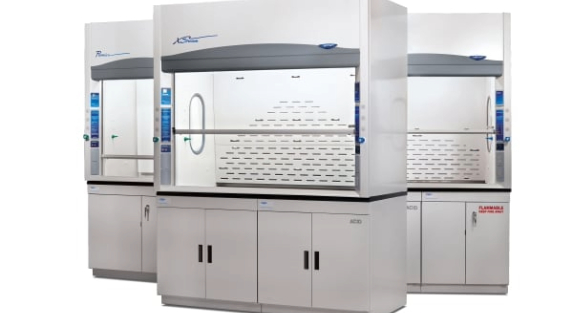
A Laboratory Fume Hood is a ventilated enclosure designed to capture and remove airborne contaminants generated during laboratory procedures. It typically uses controlled airflow to draw air away from the work area and exhaust it through an appropriate ventilation system or filtration arrangement, depending on the hood design.
Fume hoods are commonly used in chemical laboratories, pharmaceutical facilities, educational institutions, research centers, healthcare laboratories, and industrial testing environments.
The exact performance requirements depend on the application, chemicals being handled, laboratory layout, ventilation design, and applicable safety requirements.
1. Improved Laboratory Safety
The primary reason to invest in a quality laboratory fume hood is to support laboratory safety.
When correctly designed and operated, a fume hood can help control exposure to hazardous airborne substances by capturing contaminants near their source. This can reduce the likelihood of contaminants spreading into the surrounding laboratory environment.
However, a fume hood is an engineering control—not a replacement for proper chemical handling procedures, personal protective equipment, risk assessments, or laboratory safety protocols.
A high-quality unit provides the engineering foundation necessary for effective containment when it is appropriately selected and maintained.
2. Reliable Airflow Performance
Airflow is fundamental to fume hood performance. The hood must provide appropriate airflow and containment for its intended application.
A high-quality Laboratory Fume Hood System is designed with airflow characteristics that support consistent performance when properly installed and operated.
Poorly designed or improperly installed hoods may experience issues such as turbulence, inadequate airflow, excessive airflow, or inconsistent containment.
Professional installation, commissioning, and performance testing are therefore just as important as the quality of the hood itself.
3. Better Containment of Hazardous Vapors
Laboratory procedures can generate vapors, gases, aerosols, and other airborne contaminants. A properly functioning chemical fume hood can help capture these substances before they disperse throughout the laboratory.
The hood’s sash position, airflow, work practices, equipment placement, and laboratory ventilation system can all affect containment.
Investing in a well-designed chemical fume hood can therefore support more reliable containment when used according to manufacturer instructions and laboratory safety procedures.
4. Durable Construction
Laboratory environments can be demanding. Fume hoods may be exposed to chemicals, heat, moisture, frequent use, and mechanical wear.
A high-quality lab fume hood should be constructed using materials and components appropriate for the intended application.
Durable construction can help reduce premature deterioration and maintain functionality over a longer operating period. Material selection should always consider the chemicals, temperatures, processes, and cleaning agents that the hood will encounter.
5. Better Resistance to Chemical Exposure
Not every fume hood is suitable for every chemical application. Interior surfaces, worktops, liners, fans, ductwork, and other components may require specific materials depending on the substances being handled.
A quality fume hood can be specified with materials appropriate for the laboratory’s chemical environment.
Before purchasing a Laboratory Exhaust Hood, facilities should identify the chemicals and processes that will be used and confirm material compatibility with the manufacturer or qualified laboratory equipment specialist.
6. Improved User Experience
A fume hood needs to be practical for laboratory personnel to use correctly.
Features such as sash design, visibility, lighting, workspace configuration, controls, and accessibility can influence how effectively users interact with the equipment.
An ergonomic laboratory ventilation hood can make routine laboratory work more convenient while encouraging appropriate operating practices.
A well-designed workspace can also help reduce unnecessary obstruction inside the hood, which is important because poor equipment placement can affect airflow and containment.
7. Energy Efficiency
Fume hoods can have a significant impact on laboratory energy consumption because they are connected to ventilation and HVAC systems.
Traditional constant-air-volume systems may exhaust substantial quantities of conditioned laboratory air. Depending on the facility design and application, variable-air-volume technology can adjust airflow according to sash position or other control parameters.
Energy-efficient Laboratory Fume Hood Equipment can therefore contribute to reduced HVAC demand when properly integrated into the laboratory’s ventilation strategy.
Energy efficiency should be evaluated alongside containment performance rather than treated as a standalone purchasing criterion.
8. Lower Long-Term Operating Costs
The purchase price is only one component of the total cost of ownership.
A laboratory should also consider:
- Installation costs
- Ventilation requirements
- Energy consumption
- Maintenance
- Replacement components
- Testing and certification
- Repairs
- Expected service life
A higher-quality fume hood may have a greater initial investment but can provide better long-term value when its durability, performance, maintenance requirements, and energy characteristics are appropriate for the facility.
9. Easier Maintenance and Servicing
Routine inspection and maintenance are essential for keeping a fume hood functioning properly.
Quality equipment is generally designed with serviceability in mind. Accessible components and reliable controls can simplify inspection and maintenance activities.
Regular maintenance should include appropriate checks of airflow, sash operation, alarms, exhaust systems, and other relevant components according to the manufacturer’s recommendations and the facility’s safety program.
10. Supports Performance Testing
A fume hood should not simply be installed and assumed to be performing correctly. Appropriate testing and commissioning help verify that the system operates as intended.
Depending on the hood and facility requirements, testing may evaluate airflow, containment, alarms, sash operation, and other performance characteristics.
Professional Laboratory Fume Hood Testing can identify problems that may not be obvious during normal use.
Testing should be performed according to applicable standards, manufacturer requirements, and the laboratory’s safety program.
11. Greater Flexibility for Different Applications
Laboratories often perform a wide range of procedures. The appropriate fume hood configuration depends on the work being performed.
Available configurations can include different sizes, sash arrangements, materials, airflow systems, work surfaces, exhaust configurations, and control options.
Selecting a Laboratory Fume Hood based on the actual application provides greater assurance that the equipment is appropriate for the laboratory’s operational requirements.
12. Supports Laboratory Compliance and Safety Programs
A properly specified and maintained fume hood can form an important part of a laboratory’s overall safety strategy.
However, purchasing a high-quality hood alone does not guarantee compliance with regulatory or safety requirements. Facilities must also consider applicable standards, installation requirements, testing procedures, operating practices, training, maintenance, and documentation.
Working with qualified professionals can help laboratories select equipment that aligns with their applicable requirements.
13. Better Visibility and Lighting
Visibility is another practical consideration. Laboratory personnel need to see materials and equipment clearly while working inside the enclosure.
Quality Laboratory Fume Hoods can incorporate suitable lighting and sash designs that provide a clear working environment without compromising the hood’s intended function.
Good visibility can make routine laboratory procedures easier to perform and can support better working practices.
14. Reduced Risk of Premature Replacement
Selecting inexpensive equipment without considering application requirements can result in premature replacement if the hood does not perform adequately or withstand the laboratory environment.
A properly specified high-quality fume hood can provide a more durable long-term solution.
Before purchasing, facilities should evaluate the hood’s expected service life, construction materials, maintenance requirements, ventilation compatibility, and available technical support.
15. Better Return on Investment
The value of a fume hood should be measured over its entire operating life rather than simply by its purchase price.
A quality Laboratory Fume Hood can potentially provide value through:
- Reliable containment
- Durable construction
- Appropriate chemical resistance
- Improved energy performance
- Easier maintenance
- Consistent operation
- Reduced downtime
- Long service life
The right investment is therefore not necessarily the cheapest product. It is the equipment that provides the appropriate combination of performance, safety, durability, efficiency, and support for the laboratory’s specific needs.
How to Choose a High-Quality Laboratory Fume Hood
Before purchasing a fume hood, laboratory managers should evaluate several factors.
Consider the Application
Determine which chemicals, processes, temperatures, and equipment will be used inside the hood.
Evaluate Airflow Requirements
Understand the required airflow and containment performance for the intended application.
Check Material Compatibility
Confirm that the hood’s interior surfaces and components are suitable for the chemicals and processes involved.
Review Energy Requirements
Consider the hood’s effect on laboratory HVAC demand and whether variable-air-volume or other energy-management technologies are appropriate.
Evaluate Maintenance and Support
Check the availability of replacement parts, technical support, testing, and maintenance services.
Consider the Total Cost of Ownership
Look beyond the initial purchase price and evaluate installation, ventilation, energy, maintenance, testing, and replacement costs.
Final Thoughts
Investing in a high-quality Laboratory Fume Hood is an important decision for laboratories that handle hazardous chemicals or generate potentially harmful airborne contaminants. The right fume hood can provide reliable engineering control, durable construction, appropriate containment, and better long-term operational value.
However, the quality of the hood is only one part of the equation. Proper specification, installation, commissioning, airflow management, user training, maintenance, and performance testing are all essential for effective operation.
Whether you operate a pharmaceutical laboratory, chemical research facility, university laboratory, biotechnology center, or industrial testing facility, selecting the right laboratory fume hood equipment based on your actual application can provide a stronger foundation for laboratory safety and operational reliability.