Electronics manufacturing is a highly sensitive and precise industry where even the smallest static discharge can cause significant damage to components, leading to costly losses and production delays. Electrostatic Discharge (ESD) is a common challenge in this field, and mitigating its effects is crucial for maintaining product quality and operational efficiency. This is where Laboratory ESD Furniture plays a pivotal role.
In this article, we will explore the importance of ESD furniture in electronics manufacturing, its key features, benefits, and how it contributes to creating a safe and efficient workspace. We will also delve into the various types of ESD furniture available and provide guidance on selecting the right solutions for your laboratory or manufacturing facility.
1. Understanding Electrostatic Discharge (ESD)
1.1 What is ESD?
Electrostatic Discharge (ESD) is the sudden flow of electricity between two electrically charged objects caused by contact, an electrical short, or dielectric breakdown. In electronics manufacturing, ESD can damage sensitive components, leading to product failures and increased costs.
1.2 The Impact of ESD in Electronics Manufacturing
- Component Damage: ESD can destroy or weaken electronic components, rendering them non-functional.
- Production Delays: Frequent ESD incidents can disrupt production schedules.
- Increased Costs: Repairing or replacing damaged components can significantly increase manufacturing costs.
- Reputation Damage: Consistent product failures due to ESD can harm a company’s reputation.
2. The Importance of ESD Control in Electronics Manufacturing
2.1 Why ESD Control is Essential
Effective ESD control is critical to protecting sensitive electronic components and ensuring the reliability of finished products. It involves creating an environment where static electricity is minimized and safely dissipated.
2.2 Key Elements of an ESD Control Program
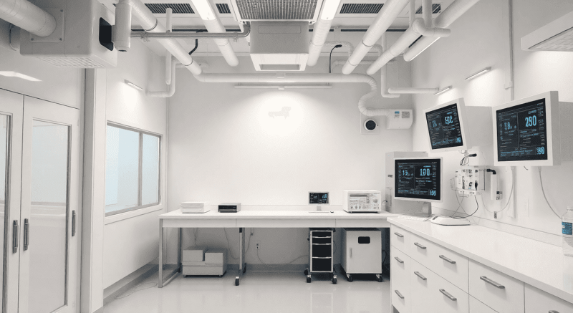
- ESD-Protected Areas (EPAs): Designated areas where ESD-sensitive devices are handled.
- Personal Grounding: Use of wrist straps, footwear, and other grounding devices to prevent static buildup on personnel.
- ESD-Safe Materials: Use of materials that dissipate static electricity, such as conductive or dissipative surfaces.
- Training and Awareness: Educating employees about ESD risks and prevention measures.
3. The Role of Laboratory ESD Furniture in ESD Control
3.1 What is Laboratory ESD Furniture?
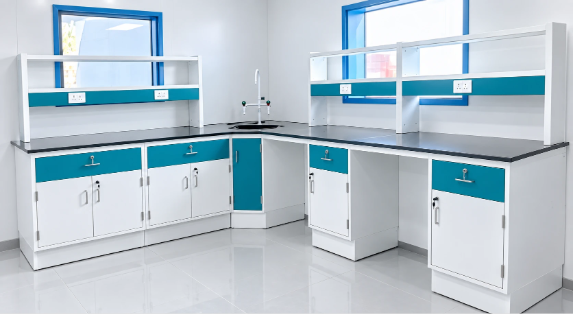
Laboratory ESD furniture refers to workstations, benches, chairs, storage units, and other furniture designed to prevent the buildup and discharge of static electricity. These pieces are made from materials that either conduct or dissipate static electricity, ensuring a safe environment for handling sensitive electronic components.
3.2 Key Features of Laboratory ESD Furniture
- Conductive or Dissipative Surfaces: These surfaces prevent static buildup and safely discharge any static electricity.
- Durability: ESD furniture is built to withstand the rigors of a manufacturing environment.
- Ergonomics: Designed for comfort and efficiency, reducing fatigue and increasing productivity.
- Modularity: Many ESD furniture pieces are modular, allowing for customization based on specific needs.
4. Types of Laboratory ESD Furniture
4.1 ESD Workbenches
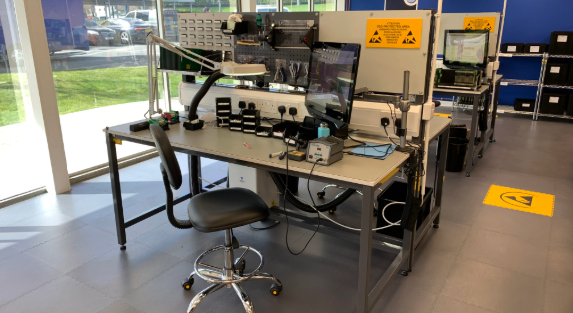
ESD workbenches are the cornerstone of any ESD-protected area. They provide a safe surface for assembling, testing, and repairing electronic components.
4.1.1 Features
- Conductive or dissipative work surfaces.
- Integrated grounding points.
- Adjustable height and modular designs.
4.1.2 Applications
- PCB assembly.
- Component testing.
- Repair and rework stations.
4.2 ESD Chairs
ESD chairs are designed to prevent static buildup on personnel, ensuring they remain grounded while working.
4.2.1 Features
- Conductive casters and frames.
- Adjustable height and ergonomic designs.
- Durable materials for long-lasting use.
4.2.2 Applications
- Seating for assembly lines.
- Workstations in EPAs.
4.3 ESD Storage Units
ESD storage units, such as cabinets and shelving, provide safe storage for sensitive components and tools.
4.3.1 Features
- Conductive or dissipative surfaces.
- Lockable doors for secure storage.
- Adjustable shelves for flexibility.
4.3.2 Applications
- Storing PCBs and electronic components.
- Organizing tools and equipment in EPAs.
4.4 ESD Mats and Flooring
ESD mats and flooring are essential for creating a static-free environment in EPAs.
4.4.1 Features
- Conductive or dissipative materials.
- Durable and easy to clean.
- Available in various sizes and thicknesses.
4.4.2 Applications
- Flooring in assembly areas.
- Work surface mats for additional protection.
4.5 ESD Carts and Trolleys
ESD carts and trolleys provide mobile workstations for transporting and handling sensitive components.
4.5.1 Features
- Conductive or dissipative surfaces.
- Locking casters for stability.
- Modular designs for customization.
4.5.2 Applications
- Transporting components between workstations.
- Mobile repair and testing stations.
5. Benefits of Laboratory ESD Furniture
5.1 Enhanced Product Quality
By preventing ESD damage, laboratory ESD furniture ensures the reliability and longevity of electronic components, leading to higher-quality finished products.
5.2 Increased Productivity
A well-designed ESD-protected area with ergonomic furniture reduces fatigue and improves efficiency, leading to increased productivity.
5.3 Cost Savings
Preventing ESD damage reduces the need for repairs and replacements, resulting in significant cost savings.
5.4 Compliance with Industry Standards
Using laboratory ESD furniture helps companies comply with industry standards and regulations, such as those set by the International Electrotechnical Commission (IEC) and the American National Standards Institute (ANSI).
5.5 Improved Safety
ESD furniture creates a safer working environment by minimizing the risk of static discharge, which can also pose a safety hazard to personnel.
6. Selecting the Right Laboratory ESD Furniture
6.1 Assess Your Needs
Determine the specific requirements of your facility, including the types of components handled, the size of the workspace, and the number of employees.
6.2 Consider Ergonomics
Choose furniture that promotes comfort and efficiency, reducing the risk of fatigue and injury.
6.3 Evaluate Durability
Select furniture made from high-quality materials that can withstand the demands of a manufacturing environment.
6.4 Ensure Compliance
Verify that the furniture meets relevant industry standards and regulations.
6.5 Plan for Flexibility
Opt for modular and customizable furniture that can adapt to changing needs and workflows.
7. Implementing an ESD Control Program with Laboratory ESD Furniture
7.1 Designate ESD-Protected Areas (EPAs)
Create designated areas where ESD-sensitive devices are handled, equipped with appropriate ESD furniture and grounding systems.
7.2 Train Employees
Educate employees about ESD risks and the importance of using ESD furniture and grounding devices.
7.3 Regular Maintenance
Conduct regular inspections and maintenance of ESD furniture to ensure it remains effective.
7.4 Monitor and Improve
Continuously monitor the effectiveness of your ESD control program and make improvements as needed.
8. The Future of Laboratory ESD Furniture
8.1 Advancements in Materials
Ongoing research and development are leading to the creation of new materials that offer better ESD protection and durability.
8.2 Smart ESD Furniture
The integration of IoT technology into ESD furniture is enabling real-time monitoring of static levels and environmental conditions.
8.3 Sustainability
Manufacturers are increasingly focusing on creating sustainable ESD furniture using eco-friendly materials and processes.
Conclusion
Laboratory ESD furniture plays a critical role in protecting sensitive electronic components from the damaging effects of electrostatic discharge. By investing in high-quality ESD furniture, electronics manufacturers can enhance product quality, increase productivity, and achieve significant cost savings.
Whether you’re setting up a new ESD-protected area or upgrading an existing one, selecting the right laboratory ESD furniture is essential for creating a safe and efficient workspace. With the right solutions in place, you can ensure the reliability of your products and the success of your operations in the competitive electronics manufacturing industry.