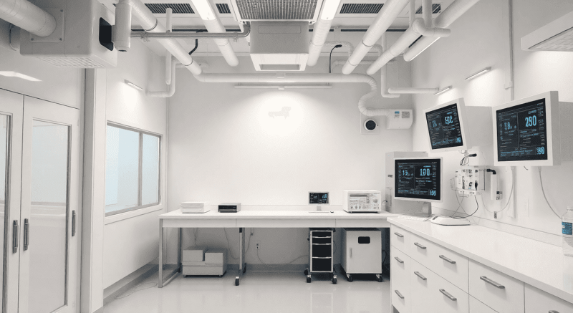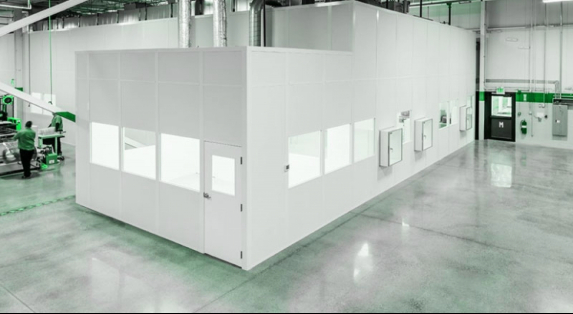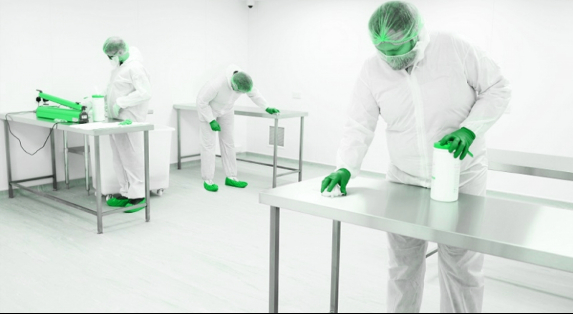
Modern research laboratories operate at the cutting edge of science, where precision, repeatability, and safety define success. Whether in pharmaceutical research, semiconductor fabrication, biotechnology, or advanced materials testing, the integrity of gas supply directly affects experimental outcomes. At the core of every reliable laboratory gas distribution system, ultra-high purity (UHP) gas regulators play a critical role by ensuring accurate pressure control while preserving gas purity.
As Saudi Arabia continues to invest heavily in research and innovation under Vision 2030, laboratories are increasingly adopting advanced gas distribution technologies. Brands such as Ziebaq provide specialized solutions that support the stringent requirements of modern research labs, ensuring both performance and compliance.
Understanding Ultra-High Purity Gas Regulators in Laboratory Environments
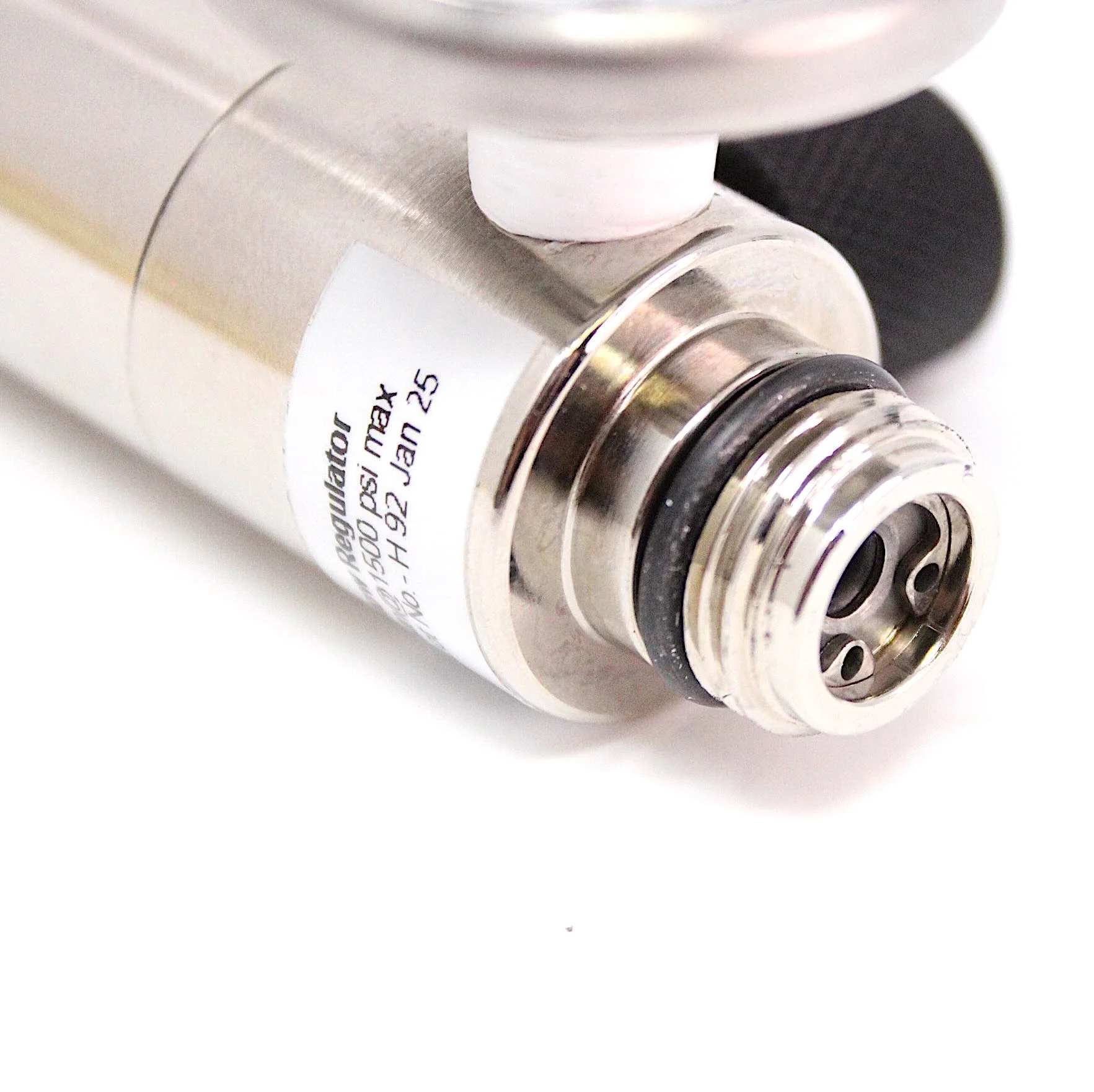
Ultra-high purity (UHP) gas regulators are a critical component of any modern laboratory gas distribution system, particularly in research environments where precision, consistency, and contamination control are non-negotiable. These regulators are designed to control gas pressure while maintaining extremely low levels of impurities—often measured in parts per billion (ppb). In research laboratories across sectors such as pharmaceuticals, biotechnology, semiconductor manufacturing, and analytical testing, even trace contamination can compromise experimental results, damage sensitive instruments, or invalidate compliance standards.
Unlike standard industrial regulators, UHP gas regulators are manufactured using high-grade stainless steel, electropolished internal surfaces, and metal-to-metal seals. These features minimize particle shedding, moisture retention, and outgassing, which are common contamination risks in conventional gas systems. Within a laboratory gas distribution system, UHP regulators ensure that gases such as nitrogen, hydrogen, helium, oxygen, or specialty calibration gases reach instruments in their purest form.
In Saudi Arabia’s rapidly expanding research and innovation ecosystem, laboratories are increasingly aligning with global quality benchmarks. This has driven demand for advanced gas handling solutions that support accurate experimentation and safe operations. Brands like Ziebaq play an essential role by delivering high-performance UHP gas regulators engineered to meet international laboratory standards while withstanding regional environmental conditions.
Additionally, UHP gas regulators contribute to pressure stability across the entire laboratory gas distribution system. Stable pressure is vital for sensitive applications such as gas chromatography, mass spectrometry, and cleanroom processes. Any fluctuation can affect flow rates, compromise reaction conditions, or disrupt calibration procedures. By maintaining consistent output pressure, these regulators help laboratories achieve repeatable, reliable results—an absolute requirement in modern scientific research.
Role of UHP Gas Regulators in Ensuring Safety and Compliance
Safety is one of the most compelling reasons why ultra-high purity gas regulators are indispensable within a laboratory gas distribution system. Research laboratories often handle flammable, oxidizing, or toxic gases under high pressure. Without proper regulation, these gases pose significant risks, including leaks, over-pressurization, and equipment failure. UHP gas regulators are specifically designed to mitigate these hazards through precision engineering and fail-safe mechanisms.
Modern UHP regulators incorporate features such as dual-stage pressure reduction, integrated relief valves, and leak-tight sealing systems. These elements prevent sudden pressure surges and ensure controlled gas delivery even during cylinder changeovers. In centralized laboratory gas distribution systems, this level of control is essential to protect both personnel and infrastructure.
Regulatory compliance further reinforces the importance of UHP gas regulators. International standards such as ISO, CGA, and SEMI specify stringent requirements for gas purity, pressure control, and material compatibility. Laboratories operating in Saudi Arabia—especially those supporting pharmaceutical research, petrochemical analysis, or academic institutions—must comply with both global and local safety frameworks. Using certified components from trusted providers like Ziebaq helps laboratories meet these obligations with confidence.
Another critical aspect is leak prevention. Gas leaks not only compromise purity but also increase the risk of fire, explosion, or oxygen displacement in enclosed laboratory spaces. UHP gas regulators are helium leak-tested and constructed with minimal internal dead volume, significantly reducing leak probability. When integrated into a professionally designed laboratory gas distribution system, they form a robust safety barrier against accidental exposure.
Moreover, safety extends beyond immediate risk mitigation. Consistent gas quality reduces instrument downtime, prevents corrosion, and extends equipment life. This proactive approach to safety and maintenance lowers long-term operational costs and enhances overall laboratory efficiency—an increasingly important factor in high-investment research facilities.
Impact of UHP Gas Regulators on Research Accuracy and Performance
Research accuracy is fundamentally dependent on controlled variables, and gas quality is often one of the most critical among them. Ultra-high purity gas regulators directly influence the performance of analytical instruments by ensuring uninterrupted delivery of contaminant-free gases at precise pressures. Within a laboratory gas distribution system, they act as the final control point before gas reaches sensitive equipment.
In applications such as spectroscopy, chromatography, and microfabrication, even minor fluctuations in gas pressure or purity can lead to inconsistent data, skewed results, or failed experiments. UHP regulators eliminate these uncertainties by maintaining stable flow conditions and preventing back diffusion or particle ingress. This consistency enables researchers to reproduce experiments accurately, a cornerstone of scientific validity.
Advanced research labs increasingly rely on automation and continuous processes, where gas delivery must remain stable over extended periods. UHP gas regulators support these requirements by offering long service life and minimal performance drift. Ziebaq’s solutions, for example, are engineered for durability and precision, making them suitable for high-demand research environments across Saudi Arabia.
Additionally, UHP regulators contribute to efficient gas utilization. By delivering gas at optimal pressure, they reduce wastage and improve system efficiency. In large laboratory gas distribution systems serving multiple workstations or instruments, this efficiency translates into measurable cost savings over time.
The performance benefits also extend to system scalability. As research facilities expand or introduce new technologies, a well-designed laboratory gas distribution system equipped with high-quality UHP regulators can adapt without compromising performance. This future-ready approach supports long-term research growth and innovation.
Why Ziebaq Is a Trusted Partner for UHP Gas Regulation Solutions
Selecting the right partner for ultra-high purity gas regulators is as important as choosing the components themselves. Ziebaq has established itself as a reliable provider of advanced solutions for the laboratory gas distribution system, offering products that balance precision, safety, and durability. Their UHP gas regulators are designed to meet the evolving needs of modern research laboratories, particularly in demanding environments like Saudi Arabia.
Ziebaq emphasizes quality manufacturing, rigorous testing, and compliance with international standards. This ensures that laboratories receive regulators capable of delivering consistent performance under varying pressures and operating conditions. Their expertise extends beyond individual components, encompassing system-level understanding of laboratory gas distribution systems.
Furthermore, Ziebaq provides technical support and customization options, allowing laboratories to tailor gas regulation solutions to specific applications. Whether supporting academic research, industrial R&D, or healthcare laboratories, Ziebaq’s solutions enhance operational reliability and research integrity.
In an era where precision and safety define laboratory excellence, ultra-high purity gas regulators are no longer optional—they are essential. With trusted brands like Ziebaq, research labs can confidently build laboratory gas distribution systems that support innovation, compliance, and long-term success.
Integration of UHP Gas Regulators Within Centralized Laboratory Gas Distribution Systems
In modern research facilities, gases are rarely supplied directly from individual cylinders to instruments. Instead, they are managed through centralized laboratory gas distribution systems that deliver gases safely and efficiently across multiple labs, floors, or departments. Ultra-high purity (UHP) gas regulators are a cornerstone of these centralized systems, ensuring that purity and pressure integrity are preserved from the source to the point of use.
Within a centralized setup, UHP regulators are typically installed at critical points such as cylinder manifolds, bulk gas sources, or zone valves. Their primary role is to reduce high cylinder pressure to a stable, usable level without introducing contaminants. This is especially vital in research laboratories where multiple instruments rely on the same gas line, and any inconsistency can cascade into widespread operational disruptions.
One of the key advantages of integrating UHP gas regulators into a laboratory gas distribution system is enhanced control. Dual-stage regulators, commonly used in high-purity applications, provide superior pressure stability compared to single-stage alternatives. This stability is crucial when gases are distributed over long distances or through complex piping networks, where pressure drops and flow variations are common challenges.
Ziebaq’s UHP gas regulators are engineered to integrate seamlessly with centralized laboratory gas distribution systems. Their compact design, standardized fittings, and compatibility with stainless steel tubing systems allow for easy installation and maintenance. Additionally, Ziebaq focuses on minimizing internal dead volume, which reduces the risk of gas stagnation and contamination—a critical consideration in centralized systems.
Another important aspect is system redundancy and continuity. In advanced laboratories, uninterrupted gas supply is essential for continuous experiments and automated processes. UHP regulators support switchover systems and backup gas sources, ensuring seamless transitions without pressure fluctuations or purity loss. This level of reliability strengthens the overall performance of the laboratory gas distribution system and protects valuable research timelines.
Material Selection and Engineering Excellence in UHP Gas Regulators
The performance of ultra-high purity gas regulators is heavily influenced by the materials and engineering practices used in their construction. Within a laboratory gas distribution system, regulators must withstand high pressures, resist corrosion, and maintain cleanliness over long operational periods. For this reason, UHP regulators are typically manufactured from 316L stainless steel, known for its excellent corrosion resistance and mechanical strength.
Electropolishing of internal surfaces is another critical engineering feature. This process smooths microscopic surface imperfections, reducing particle generation and adsorption sites for moisture or contaminants. In a laboratory gas distribution system handling ultra-high purity gases, such surface treatments are essential to maintain gas integrity from source to instrument.
Ziebaq places strong emphasis on precision manufacturing and quality control. Each UHP gas regulator undergoes rigorous testing, including pressure testing, leak detection, and cleanliness verification. These steps ensure that the regulators meet stringent purity requirements and perform reliably under real-world laboratory conditions.
Seal technology also plays a vital role. UHP regulators typically use metal-to-metal diaphragm seals rather than elastomeric components, which can degrade or outgas over time. This design choice enhances chemical compatibility and extends service life, particularly in laboratories using reactive or corrosive gases. Within a laboratory gas distribution system, such durability reduces maintenance frequency and operational risk.
Thermal stability is another engineering consideration, especially in regions like Saudi Arabia where ambient temperatures can vary significantly. Ziebaq’s UHP regulators are designed to maintain consistent performance despite environmental fluctuations, ensuring reliable pressure control and gas delivery throughout the year.
By prioritizing material quality and engineering excellence, UHP gas regulators become a dependable foundation for any laboratory gas distribution system, supporting both routine operations and advanced research applications.
Long-Term Operational and Economic Benefits of UHP Gas Regulators
While ultra-high purity gas regulators represent a higher initial investment compared to standard regulators, their long-term operational and economic benefits make them a cost-effective choice for modern research laboratories. In a well-designed laboratory gas distribution system, UHP regulators contribute to efficiency, reliability, and reduced lifecycle costs.
One of the most significant benefits is reduced gas wastage. Precise pressure control ensures that gases are delivered only at the required flow rates, minimizing losses due to leaks, over-pressurization, or inefficient usage. Over time, this efficiency translates into substantial cost savings, particularly for expensive specialty gases.
Equipment protection is another key advantage. Sensitive analytical instruments rely on stable, contaminant-free gas supplies to function correctly. UHP regulators prevent pressure spikes and contamination that can damage internal components, extend instrument lifespan, and reduce costly repairs or replacements. This protective role enhances the overall value of the laboratory gas distribution system.
Maintenance costs are also lower with high-quality UHP regulators. Their robust construction, corrosion-resistant materials, and leak-tight designs result in fewer failures and longer service intervals. Ziebaq’s regulators are designed with maintainability in mind, allowing laboratories to plan preventive maintenance rather than react to unexpected breakdowns.
From an operational perspective, UHP regulators support consistent research output. Fewer disruptions, repeatable results, and reliable system performance enable laboratories to meet project deadlines and maintain research credibility. In competitive research environments, this consistency can be a decisive advantage.
Ultimately, investing in UHP gas regulators strengthens the laboratory gas distribution system as a whole. With trusted solutions from Ziebaq, laboratories can achieve a balance of safety, precision, and cost efficiency—ensuring sustainable operations and supporting the future of scientific innovation.
Supporting Advanced and Emerging Research Applications
As scientific research evolves, laboratories are increasingly adopting advanced and emerging applications that demand exceptionally high levels of gas purity, pressure stability, and system reliability. Fields such as nanotechnology, semiconductor fabrication, renewable energy research, and advanced materials science place stringent requirements on the laboratory gas distribution system. Ultra-high purity (UHP) gas regulators are essential enablers of these cutting-edge applications.
In semiconductor and microelectronics research, for example, process gases must be delivered with absolute consistency. Minor contamination or pressure variation can lead to defects at the microscopic level, rendering entire experiments unusable. UHP gas regulators ensure that gases reach tools such as deposition systems and etching chambers in a controlled, contaminant-free state. Their precision directly supports higher yields and more reliable research outcomes.
Similarly, in life sciences and pharmaceutical research, UHP regulators play a crucial role in maintaining controlled atmospheres for cell culture, fermentation, and analytical testing. The laboratory gas distribution system must deliver oxygen, carbon dioxide, nitrogen, and specialty gases at exact concentrations. Ziebaq’s UHP gas regulators provide the fine pressure control necessary to maintain these delicate conditions, supporting reproducibility and regulatory compliance.
Energy research is another area where UHP gas regulation is vital. Laboratories studying hydrogen fuel cells, battery technologies, or carbon capture systems rely on ultra-clean gas supplies to test performance and safety. UHP regulators within the laboratory gas distribution system ensure accurate simulation of real-world operating conditions, enabling meaningful experimentation and innovation.
As Saudi Arabia continues to invest in research and development aligned with Vision 2030, laboratories are becoming more sophisticated and specialized. UHP gas regulators help future-proof these facilities by supporting emerging technologies and evolving research requirements. With Ziebaq’s expertise and product reliability, laboratories can confidently expand their capabilities without compromising safety or performance.
Best Practices for Selecting and Maintaining UHP Gas Regulators
Choosing the right ultra-high purity gas regulator is a strategic decision that directly affects the performance and safety of the laboratory gas distribution system. Laboratories must consider factors such as gas type, inlet pressure, outlet pressure range, flow requirements, and purity specifications. Selecting a regulator designed specifically for UHP applications is essential, as standard regulators lack the cleanliness and precision required for modern research.
Material compatibility is a primary consideration. Regulators should be constructed from high-grade stainless steel with electropolished internal surfaces to prevent corrosion and contamination. Ziebaq offers UHP gas regulators designed to meet these criteria, ensuring compatibility with a wide range of laboratory gases.
Installation practices also influence regulator performance. UHP regulators should be installed by trained professionals using cleanroom-compatible procedures. This includes purging gas lines, using proper fittings, and verifying leak integrity. Within a laboratory gas distribution system, even a small installation error can compromise gas purity across multiple points of use.
Regular maintenance and inspection are equally important. Although UHP gas regulators are designed for long service life, periodic checks help identify wear, pressure drift, or contamination before issues escalate. Preventive maintenance programs reduce downtime and protect both personnel and equipment. Ziebaq supports laboratories with technical guidance and product documentation, enabling effective long-term maintenance planning.
Another best practice is documentation and traceability. Recording installation details, maintenance schedules, and performance data helps laboratories meet audit and compliance requirements. This level of discipline strengthens the overall reliability of the laboratory gas distribution system and supports continuous improvement.
Future Trends in Laboratory Gas Distribution and Regulation
The future of laboratory gas distribution systems is shaped by automation, digital monitoring, and sustainability. Ultra-high purity gas regulators are evolving to integrate with smart laboratory infrastructures, enabling real-time monitoring of pressure, flow, and system health. These advancements enhance both safety and operational efficiency.
Digital pressure sensors and monitoring interfaces allow laboratories to detect anomalies early, reducing the risk of gas leaks or system failures. When integrated into a centralized laboratory gas distribution system, these technologies provide actionable insights that support predictive maintenance and continuous optimization.
Sustainability is another growing priority. Efficient gas regulation reduces consumption and waste, aligning laboratory operations with environmental goals. Ziebaq continues to innovate in this area by designing regulators that optimize gas usage without compromising purity or performance.
Looking ahead, UHP gas regulators will remain a foundational component of advanced laboratory gas distribution systems. As research demands increase and technologies become more complex, the need for precision, safety, and reliability will only intensify. With high-quality solutions from Ziebaq, laboratories are well-positioned to meet these challenges and drive scientific progress.
Importance of Compliance, Standards, and Quality Assurance in UHP Gas Regulation
Compliance with international standards is a fundamental requirement for any modern laboratory gas distribution system, particularly when handling ultra-high purity gases. Regulatory bodies and industry organizations such as ISO, SEMI, CGA, and ASTM define strict guidelines for gas purity, pressure control, material compatibility, and safety practices. Ultra-high purity (UHP) gas regulators play a central role in meeting these requirements and ensuring that laboratories operate within accepted safety and quality frameworks.
In research laboratories, non-compliance can result in serious consequences, including compromised data integrity, failed audits, operational shutdowns, or safety incidents. UHP gas regulators help mitigate these risks by delivering consistent performance that aligns with regulatory expectations. Features such as leak-tight construction, metal-to-metal seals, and contamination-free internal surfaces directly support compliance objectives within a laboratory gas distribution system.
Ziebaq designs its UHP gas regulators to meet or exceed applicable international standards, offering laboratories confidence in both performance and regulatory alignment. Each regulator is subjected to stringent quality assurance processes, including pressure testing, helium leak testing, and cleanliness verification. These measures ensure that regulators perform reliably under demanding laboratory conditions.
Quality assurance also extends to documentation and traceability. Certified UHP gas regulators are typically supplied with material certificates, test reports, and installation guidelines. This documentation is critical during audits and inspections, allowing laboratories to demonstrate compliance with safety and quality standards. When integrated into a laboratory gas distribution system, these records form part of a comprehensive compliance framework.
By prioritizing standards and quality assurance, laboratories not only protect personnel and equipment but also enhance their scientific credibility. Reliable, compliant gas regulation supports reproducible research, regulatory approvals, and international collaboration—key objectives for advanced research facilities in Saudi Arabia and beyond.
Training, Operational Awareness, and Human Factors
Even the most advanced ultra-high purity gas regulators cannot deliver optimal performance without proper human interaction. Training and operational awareness are essential components of a safe and effective laboratory gas distribution system. Laboratory personnel must understand how gas regulators function, how to identify warning signs, and how to respond to abnormal conditions.
UHP gas regulators require correct handling during installation, cylinder changeovers, and routine inspections. Improper practices—such as opening valves too quickly, using incompatible fittings, or neglecting purge procedures—can introduce contamination or damage regulator components. Structured training programs help prevent these issues and reinforce best practices across laboratory teams.
Ziebaq supports laboratories by providing technical documentation and guidance that enhances user understanding of UHP gas regulators and their role within the laboratory gas distribution system. This knowledge transfer empowers staff to operate systems safely and confidently, reducing dependence on reactive maintenance.
Human factors also influence emergency preparedness. Laboratory personnel should be trained to recognize pressure anomalies, unusual odors, or alarm signals associated with gas systems. Understanding the function of UHP regulators allows faster and more appropriate responses, minimizing risk during critical situations.
Additionally, cross-functional collaboration between laboratory users, facility managers, and safety officers strengthens system reliability. When all stakeholders understand the importance of UHP gas regulation, the laboratory gas distribution system operates as a cohesive, well-managed infrastructure rather than a collection of isolated components.
Lifecycle Management and System Scalability
A well-designed laboratory gas distribution system must be capable of evolving alongside the laboratory’s research objectives. Ultra-high purity gas regulators support long-term lifecycle management by offering durability, adaptability, and scalability. Their robust construction ensures consistent performance over extended periods, even in high-demand environments.
Lifecycle management begins with proper specification and installation. Selecting UHP gas regulators that match current requirements while allowing for future expansion reduces the need for costly system overhauls. Ziebaq’s regulators are designed with modularity and compatibility in mind, enabling laboratories to add new gas lines or instruments without compromising system integrity.
As research programs expand, laboratories may introduce new gases, higher flow rates, or additional workstations. A scalable laboratory gas distribution system equipped with high-quality UHP regulators can accommodate these changes smoothly. Pressure stability and purity are maintained even as system complexity increases.
End-of-life considerations are also important. UHP gas regulators with longer service lives reduce replacement frequency and waste, contributing to sustainable laboratory operations. When replacement is necessary, standardized designs simplify procurement and installation, minimizing downtime.
By viewing UHP gas regulators as long-term assets rather than consumable components, laboratories strengthen the resilience and adaptability of their laboratory gas distribution systems.
Strategic Value of Ziebaq in Building Reliable Laboratory Gas Infrastructure
In today’s research-driven environment, laboratories require partners who understand both technical complexity and operational realities. Ziebaq delivers strategic value by offering reliable ultra-high purity gas regulators that integrate seamlessly into advanced laboratory gas distribution systems.
Beyond product quality, Ziebaq’s expertise in system design, safety considerations, and application-specific requirements positions the brand as a trusted contributor to laboratory infrastructure development. Their solutions support laboratories across academic, industrial, and healthcare sectors, helping organizations achieve consistent performance and regulatory compliance.
Ziebaq’s commitment to innovation ensures that its UHP gas regulators remain aligned with emerging research needs and technological advancements. This forward-looking approach allows laboratories to invest with confidence, knowing their gas distribution systems are built on a solid, future-ready foundation.
Conclusion: Ultra-High Purity Gas Regulators as a Cornerstone of Modern Laboratory Gas Systems
Ultra-high purity (UHP) gas regulators are no longer optional components—they are fundamental to the safe, efficient, and precise operation of modern research laboratories. Within any advanced laboratory gas distribution system, these regulators serve as the primary safeguard for maintaining gas purity, controlling pressure, and ensuring consistent delivery to sensitive instruments and experimental setups. Their role spans multiple dimensions, from protecting personnel and equipment to supporting regulatory compliance and sustaining scientific accuracy over time.
In contemporary research environments, laboratories rely on complex centralized gas distribution systems to deliver gases to multiple instruments and workstations. Without UHP regulators, pressure fluctuations, leaks, or contamination can compromise experiments, damage equipment, or disrupt critical workflows. Ziebaq’s UHP gas regulators address these challenges by providing precision-engineered solutions that maintain consistent pressure, eliminate contamination risks, and integrate seamlessly into existing laboratory infrastructure. By doing so, they ensure that gases reach instruments in their intended state, preserving the integrity and reproducibility of research results.
Safety is another compelling dimension of their value. Laboratories frequently handle flammable, toxic, or reactive gases at high pressures, making controlled regulation essential. UHP regulators provide leak-tight construction, pressure relief mechanisms, and fail-safe operation, reducing hazards and reinforcing the reliability of the laboratory gas distribution system. Combined with proper personnel training, routine maintenance, and system monitoring, these regulators form a robust safety barrier that safeguards both people and processes.
From an operational and economic perspective, investing in high-quality UHP regulators also delivers long-term benefits. Durability, reduced maintenance frequency, and precise pressure control minimize downtime, equipment wear, and gas wastage. For research institutions in Saudi Arabia and worldwide, this translates into lower operational costs, higher productivity, and consistent support for cutting-edge experimentation. Ziebaq’s products are designed with these lifecycle advantages in mind, offering modularity, scalability, and system adaptability for laboratories that continue to expand or evolve their research capabilities.
Moreover, UHP gas regulators are essential for compliance with international and local standards, such as ISO, CGA, SEMI, and NFPA, ensuring that laboratory gas distribution systems meet strict safety and quality benchmarks. By selecting Ziebaq as a trusted partner, laboratories gain both the technical expertise and certified components needed to maintain adherence to these regulatory requirements while achieving optimal research performance.
In summary, ultra-high purity gas regulators are the backbone of any sophisticated laboratory gas distribution system. Their ability to preserve gas integrity, provide precise pressure control, enhance safety, and support compliance makes them indispensable for modern research labs. Ziebaq’s commitment to quality, engineering excellence, and innovation ensures that laboratories in Saudi Arabia and beyond can rely on UHP regulators to maintain operational efficiency, scientific accuracy, and long-term system reliability.
For laboratories pursuing excellence in research, investing in high-quality UHP gas regulation is not merely a technical necessity—it is a strategic imperative that underpins the success, safety, and credibility of all experimental and analytical work.