Automation is reshaping industrial environments across the globe, and cleanrooms are no exception. As regulatory standards tighten and industries demand higher precision, automation has become integral to the evolution of modern Cleanroom Solutions. Advanced technologies such as artificial intelligence, IoT-enabled monitoring, robotics, and digital validation systems are redefining how cleanrooms are designed, operated, and maintained. This article explores the major automation trends influencing cleanroom technology and their impact on efficiency, compliance, and long-term performance.
The Evolution of Cleanroom Technology Through Automation
Cleanroom technology has evolved significantly from its early reliance on manual monitoring and static control systems. Traditional cleanrooms depended on periodic inspections, manual data recording, and reactive maintenance strategies. While these methods met basic compliance requirements, they often resulted in inefficiencies, delayed responses to deviations, and a higher risk of contamination. Today, automation has transformed cleanroom solutions into intelligent, data-driven environments capable of real-time adaptation.
Modern automated cleanrooms use interconnected systems that continuously collect and analyze environmental data. These systems allow facility managers to proactively manage contamination risks rather than reacting after deviations occur. Automation has also reduced dependency on human intervention, which is one of the most common sources of particulate contamination. As a result, cleanrooms are now more consistent, reliable, and scalable.
Another key evolution is the integration of automation during the design phase. Cleanroom layouts are now planned to support smart sensors, centralized control systems, and future technology upgrades. Companies such as Ziebaq emphasize automation-ready cleanroom designs that align with both current regulatory standards and future operational demands. This shift ensures that cleanroom facilities remain relevant, compliant, and cost-effective over their lifecycle.
Overall, automation has elevated cleanroom technology from a controlled space into a smart ecosystem that supports precision manufacturing, regulatory compliance, and operational excellence.
Smart Environmental Monitoring and Automated Control Systems
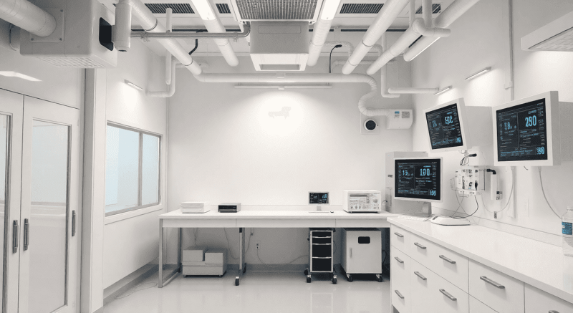
One of the most impactful automation trends in Cleanroom Solutions is the adoption of smart environmental monitoring systems. These systems rely on IoT-enabled sensors to continuously measure critical parameters such as airborne particle concentration, temperature, humidity, airflow velocity, and differential pressure. Unlike manual monitoring, automated systems provide real-time data with high accuracy and consistency.
Centralized dashboards allow operators to monitor cleanroom conditions across multiple zones from a single interface. Automated alerts are triggered immediately when environmental parameters deviate from predefined ISO or GMP limits, enabling rapid corrective action. This significantly reduces the risk of product contamination, batch rejection, or regulatory non-compliance.
Automated control systems also enable dynamic adjustments to cleanroom conditions. For example, airflow rates and pressure differentials can be modified automatically based on occupancy levels or process requirements. This not only improves contamination control but also enhances energy efficiency by avoiding unnecessary system overuse.
Advanced cleanroom solution providers like Ziebaq integrate intelligent monitoring systems with HVAC automation and data analytics platforms. This holistic approach ensures seamless coordination between monitoring and control functions. As regulatory scrutiny increases, smart environmental monitoring has become essential for maintaining audit readiness and ensuring continuous compliance in modern cleanroom environments.
Artificial Intelligence and Predictive Automation in Cleanrooms
Artificial intelligence (AI) and machine learning are playing an increasingly important role in the advancement of automated Cleanroom Solutions. These technologies analyze large volumes of historical and real-time data to identify patterns, predict risks, and optimize system performance. AI-driven platforms move cleanroom management from reactive control to predictive automation.
Predictive analytics can forecast potential contamination events by identifying subtle trends in environmental data that may go unnoticed through manual analysis. For instance, AI can detect gradual filter degradation or airflow inconsistencies before they lead to compliance failures. This allows maintenance teams to address issues proactively, reducing downtime and operational disruptions.
AI also supports energy optimization in cleanrooms. By analyzing usage patterns and environmental requirements, machine learning algorithms can fine-tune HVAC performance to maintain compliance while minimizing energy consumption. This is particularly valuable given the high operational costs associated with cleanroom environments.
Furthermore, AI-powered systems improve decision-making by providing actionable insights rather than raw data. Organizations partnering with experienced providers such as Ziebaq benefit from AI-integrated cleanroom solutions that enhance reliability, efficiency, and sustainability. As AI technology continues to mature, its role in cleanroom automation is expected to expand significantly.
Robotics and Automation in Cleanroom Operations
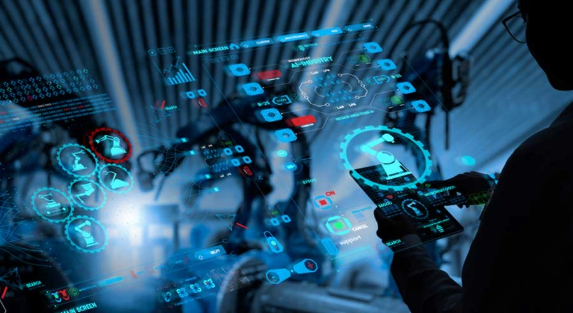
Human activity remains one of the primary sources of contamination in cleanrooms. To address this challenge, automation trends increasingly focus on robotics and automated material handling systems. Robotic solutions are now widely used for tasks such as product transfer, packaging, inspection, and assembly within cleanroom environments.
By minimizing human intervention, robotic systems significantly reduce particulate generation and microbial contamination. Automated guided vehicles (AGVs) and robotic arms operate with consistent precision, ensuring repeatable processes and improved product quality. This is particularly critical in industries such as pharmaceuticals, biotechnology, and semiconductor manufacturing, where even minor contamination can lead to substantial losses.
Automation also improves operational efficiency by reducing manual labor requirements and enhancing process speed. Robots can operate continuously without fatigue, ensuring stable production output. Modern Cleanroom Solutions integrate robotics with environmental control systems to ensure seamless coordination between process automation and contamination control.
Providers like Ziebaq design cleanroom environments that accommodate robotic workflows while maintaining strict compliance standards. As automation technology advances, robotics will continue to play a central role in creating safer, cleaner, and more efficient cleanroom operations.
Automation-Driven Compliance, Documentation, and the Future of Cleanroom Solutions
Regulatory compliance is a critical aspect of cleanroom operations, and automation has significantly improved how compliance is managed and documented. Automated cleanroom systems continuously record environmental conditions, equipment performance, and maintenance activities, creating secure digital audit trails. This eliminates manual recordkeeping errors and ensures data integrity.
Digital validation tools automate IQ, OQ, and PQ processes, reducing the time and effort required for cleanroom certification. Automated documentation also enables faster regulatory inspections, as all required data can be accessed instantly. These capabilities make automated cleanroom solutions more resilient to evolving regulatory requirements.
Looking ahead, automation will continue to shape the future of cleanroom technology. Emerging trends include digital twins for cleanroom design optimization, fully autonomous HVAC systems, and deeper integration with Industry 4.0 frameworks. Sustainability and energy efficiency will also remain key drivers of automation innovation.
With expertise in advanced automation and compliance-focused design, Ziebaq is well-positioned to support organizations seeking future-ready cleanroom environments. As automation becomes standard rather than optional, cleanroom solutions will evolve into intelligent platforms that support innovation, scalability, and long-term operational success.
Automation-Driven HVAC Systems and Energy Optimization in Cleanrooms
HVAC systems form the backbone of all Cleanroom Solutions, as they are responsible for maintaining controlled airflow, temperature, humidity, and pressure differentials. Recent automation trends have significantly enhanced HVAC performance by introducing intelligent control mechanisms that adapt dynamically to real-time conditions. Unlike traditional fixed-output systems, automated HVAC solutions respond instantly to changes in occupancy, process load, and contamination risk.
Advanced automation enables variable air volume (VAV) systems, automated dampers, and smart filtration controls to work together seamlessly. These systems ensure that laminar airflow patterns are maintained precisely where needed, while reducing airflow in low-risk or unoccupied zones. This targeted control improves contamination prevention while simultaneously reducing energy consumption—one of the largest operational expenses in cleanroom environments.
Energy optimization is a critical benefit of automated HVAC systems. AI-enabled controls analyze historical performance data and real-time environmental inputs to balance compliance and efficiency. Automated scheduling allows systems to operate at reduced capacity during non-production hours without compromising cleanroom integrity. This approach supports sustainability goals while maintaining regulatory compliance.
Modern cleanroom solution providers such as Ziebaq integrate HVAC automation into the overall cleanroom control architecture. This ensures that environmental stability, energy efficiency, and long-term reliability are achieved without manual intervention. As energy regulations tighten and operating costs rise, automation-driven HVAC systems are becoming an essential component of future-ready cleanroom technology.
Modular and Automation-Ready Cleanroom Design Concepts
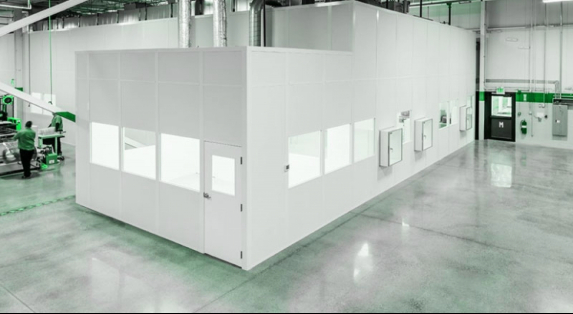
Automation has not only changed how cleanrooms operate but also how they are designed and constructed. Modern Cleanroom Solutions increasingly emphasize modular, automation-ready layouts that support scalability, flexibility, and future upgrades. Traditional fixed cleanroom structures often require extensive downtime and capital investment to modify. In contrast, modular designs allow facilities to adapt quickly to evolving production needs.
Automation-ready cleanrooms are planned with integrated sensor networks, centralized control systems, and dedicated zones for robotic workflows. Cable management systems, service corridors, and accessible HVAC components are designed to support seamless automation integration. This forward-thinking approach reduces disruption when new technologies are introduced.
Modular cleanrooms also support faster deployment timelines. Pre-engineered panels, integrated automation systems, and factory-tested components significantly reduce on-site construction time. This is particularly valuable for industries facing tight production deadlines or rapid regulatory changes.
Companies like Ziebaq specialize in delivering modular cleanroom solutions that align with automation and compliance requirements from the outset. Their approach ensures that cleanroom environments remain adaptable over their entire lifecycle. As industries move toward agile manufacturing and shorter product lifecycles, automation-ready modular cleanrooms will continue to gain prominence.
Risk Reduction and Contamination Control Through Automation
Contamination control remains the primary objective of any cleanroom environment. Automation has introduced new levels of precision and reliability in managing contamination risks. Automated Cleanroom Solutions reduce human dependency, enforce consistent procedures, and respond immediately to environmental deviations.
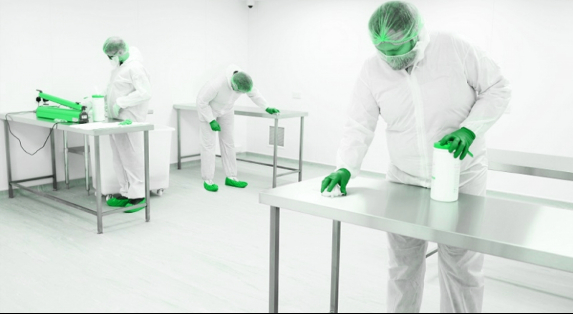
Automated access controls ensure that only authorized personnel enter sensitive cleanroom zones. Gowning compliance systems can track personnel movement and ensure adherence to contamination control protocols. In addition, automated cleaning and disinfection systems maintain consistent hygiene standards without variability.
Real-time monitoring combined with predictive analytics allows cleanroom managers to identify potential contamination sources before they escalate into critical issues. Automated alerts and corrective actions reduce response time and prevent costly production losses. These capabilities are particularly important in high-risk environments such as pharmaceutical sterile manufacturing and microelectronics fabrication.
With automation embedded into contamination control strategies, cleanroom solutions become more resilient and reliable. Providers such as Ziebaq implement automation frameworks that align contamination control with regulatory expectations and operational efficiency, ensuring consistent cleanroom performance under varying conditions.
Workforce Transformation and Skill Requirements in Automated Cleanrooms
The rise of automation in Cleanroom Solutions has transformed workforce requirements. While automation reduces manual tasks, it increases demand for skilled personnel capable of managing, analyzing, and optimizing automated systems. Cleanroom professionals must now possess a combination of technical, analytical, and regulatory knowledge.
Operators are required to interpret system dashboards, respond to automated alerts, and oversee AI-driven decision-making processes. Maintenance teams focus more on predictive maintenance and system calibration rather than reactive repairs. This shift improves efficiency but requires targeted training and upskilling initiatives.
Automation also improves workplace safety by reducing repetitive tasks and limiting exposure to hazardous processes. Employees transition into supervisory and quality-focused roles, contributing to higher job satisfaction and reduced error rates.
Organizations working with experienced providers like Ziebaq benefit from automation strategies that include training support and system documentation. As automation adoption increases, workforce transformation will be a critical success factor in maximizing the value of advanced cleanroom solutions.
Conclusion: The Long-Term Impact of Automation on Cleanroom Solutions
Automation is no longer a future concept—it is a defining feature of modern Cleanroom Solutions. From intelligent HVAC systems and AI-driven monitoring to robotics and automated compliance management, automation has fundamentally changed how cleanrooms function. These advancements enhance contamination control, improve efficiency, and ensure regulatory readiness.
As industries continue to adopt Industry 4.0 and Pharma 4.0 principles, automated cleanroom technology will become increasingly sophisticated. Organizations that invest in automation today will gain long-term advantages in scalability, sustainability, and operational excellence.
With its focus on automation-ready design, compliance, and advanced engineering, Ziebaq plays a vital role in delivering next-generation cleanroom solutions. Embracing automation is no longer optional—it is essential for organizations seeking to remain competitive in highly regulated and precision-driven industries.