Laboratories today operate in increasingly complex environments where safety, precision, and compliance are non-negotiable. The use of gases such as oxygen, nitrogen, hydrogen, argon, and specialty or toxic gases is essential across pharmaceutical, chemical, research, and testing laboratories. However, improper handling or delivery of these gases can create serious hazards, ranging from leaks and explosions to asphyxiation and contamination. A professionally designed Laboratory Gas Distribution System plays a critical role in mitigating these risks by ensuring gases are delivered safely, efficiently, and under controlled conditions.
Rather than relying on standalone cylinders or improvised piping, modern laboratories are shifting toward centralized and engineered gas distribution solutions. These systems are designed not only for operational convenience but also for risk prevention. When implemented correctly, a laboratory gas distribution network becomes a foundational safety infrastructure, protecting personnel, experiments, and equipment alike.
Understanding Gas-Related Hazards in Laboratory Environments
Laboratory gas hazards are often underestimated until an incident occurs. Gases used in laboratories may be flammable, oxidizing, inert, corrosive, or toxic, each presenting a unique risk profile. Flammable gases such as hydrogen can ignite with minimal spark, while inert gases like nitrogen can displace oxygen, creating life-threatening asphyxiation risks without any visible warning. Toxic gases pose direct health risks even at low concentrations.
Many of these hazards stem from poor gas management practices, including unsecured cylinders, faulty regulators, incompatible piping materials, and lack of monitoring. Without a proper laboratory gas distribution system, gas leaks may go unnoticed, pressure may fluctuate unpredictably, and incompatible gases may be routed too closely together. These conditions significantly increase the likelihood of accidents.
A structured gas distribution approach addresses these risks systematically. By centralizing gas sources and routing them through purpose-built pipelines, laboratories reduce manual handling and uncontrolled exposure. Clearly defined gas pathways also minimize confusion, especially in multi-gas facilities where multiple experiments run simultaneously. Organizations that prioritize safety, such as those working with expert providers like Ziebaq, recognize that gas-related hazards are best managed through engineering controls rather than reactive measures.
Leak Prevention Through High-Integrity Gas Distribution Design
Gas leaks are among the most common and dangerous laboratory hazards. Even small leaks can accumulate over time, creating explosive atmospheres or exposing personnel to harmful gases. A professionally engineered Laboratory Gas Distribution System significantly reduces leak risks through high-integrity design and material selection.
Modern systems use corrosion-resistant tubing, precision fittings, and welded or brazed joints instead of flexible hoses or threaded connections. These components are selected based on the specific properties of each gas, including pressure, reactivity, and purity requirements. Proper installation techniques, combined with rigorous pressure and leak testing, ensure that the system remains secure under normal and peak operating conditions.
Additionally, centralized gas distribution reduces the number of connection points in the laboratory. Fewer joints and interfaces mean fewer opportunities for leaks to develop. Instead of handling individual cylinders at workstations, gas is delivered from a controlled source room, further enhancing safety. Providers like Ziebaq emphasize system integrity by adhering to international standards and best practices during design and installation, ensuring long-term reliability.
By preventing leaks at the infrastructure level, laboratories not only reduce immediate hazards but also protect sensitive instruments, maintain experimental accuracy, and lower maintenance costs. Leak prevention is not just a safety measure—it is a fundamental benefit of a well-designed laboratory gas distribution system.
Controlled Pressure and Flow for Safer Gas Usage
Pressure-related incidents are another major contributor to laboratory accidents. Excessive pressure can damage equipment, rupture pipelines, or cause sudden gas release, while insufficient pressure can compromise experiments and processes. A properly designed Laboratory Gas Distribution System ensures precise control over gas pressure and flow throughout the facility.
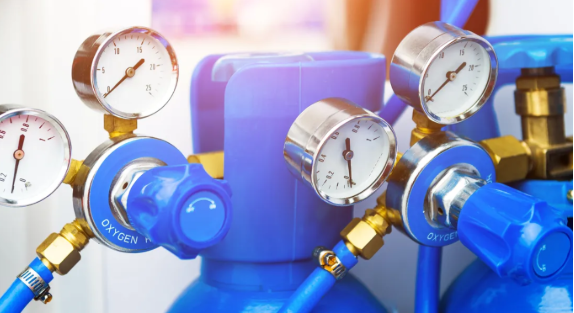
This is achieved through the integration of regulators, flow meters, and shut-off valves that are specifically rated for the gases being used. Each point of use receives gas at the correct pressure, eliminating the need for manual adjustments that can introduce error or risk. Pressure relief mechanisms further protect the system by safely venting excess pressure if abnormal conditions occur.
Controlled flow is equally important. Consistent gas delivery improves experimental repeatability while reducing waste and exposure. In high-risk environments, automated shut-off valves can immediately stop gas flow in the event of a leak or pressure drop, preventing escalation. Companies like Ziebaq design gas distribution solutions with layered safety controls, ensuring that pressure and flow management are built into the system rather than relying on operator intervention.
By maintaining stable and predictable gas delivery, laboratories create safer working conditions while enhancing operational efficiency. Pressure and flow control transform gas distribution from a potential hazard into a controlled and reliable utility.
Gas Segregation, Monitoring, and Compliance Benefits
Segregation of gases is essential to prevent cross-contamination and dangerous interactions between incompatible substances. A well-planned laboratory gas distribution system ensures that each gas has a dedicated pipeline, clear identification, and appropriate separation from other services. Color coding, labeling, and standardized outlet designs reduce the risk of human error during daily operations.
In addition to segregation, modern systems incorporate continuous monitoring technologies. Gas detectors, pressure sensors, and alarm systems provide real-time feedback, alerting staff to abnormal conditions before they become emergencies. This proactive approach significantly reduces response time and potential harm.
Compliance is another major advantage. Regulatory bodies expect laboratories to meet strict safety and documentation standards. Proper gas distribution systems simplify compliance by aligning with ISO, NFPA, and other applicable regulations. Partnering with experienced solution providers such as Ziebaq helps laboratories implement compliant systems that withstand audits and inspections while prioritizing safety.
Conclusion: Why Proper Gas Distribution Is a Safety Imperative
A properly engineered Laboratory Gas Distribution System is one of the most effective tools for reducing laboratory hazards. By preventing leaks, controlling pressure, segregating gases, enabling monitoring, and supporting regulatory compliance, it creates a safer and more controlled laboratory environment. Beyond safety, it improves efficiency, reliability, and confidence in daily operations.
As laboratories evolve and safety expectations rise, investing in the right gas distribution infrastructure is no longer optional. With expert solutions from trusted providers like Ziebaq, laboratories can achieve long-term risk reduction while supporting innovation and growth.