
The global demand for Cleanroom Solutions is entering a transformative phase. As industries such as pharmaceuticals, semiconductors, biotechnology, aerospace, and medical device manufacturing evolve at an accelerated pace, contamination control is no longer just a compliance requirement — it is a strategic differentiator.
In 2026 and beyond, cleanroom technologies will be shaped by automation, sustainability, modular engineering, regulatory modernization, and digital integration. Organizations that invest in advanced cleanroom systems today will be positioned to lead tomorrow’s high-precision manufacturing landscape.
This article explores the future trajectory of Cleanroom Solutions, key innovations, regulatory shifts, and how forward-thinking brands like Ziebaq are aligning with next-generation industry requirements.
Regulatory Evolution and Compliance Transformation
The regulatory landscape governing Cleanroom Solutions is becoming more rigorous, data-driven, and risk-focused as we move into 2026 and beyond. Global authorities are placing stronger emphasis on contamination control strategies, continuous monitoring, and lifecycle validation. Standards such as ISO 14644 and EU GMP Annex 1 are no longer viewed as static compliance benchmarks but as evolving frameworks requiring proactive implementation. Pharmaceutical and biotechnology companies, in particular, are facing stricter microbial control expectations, enhanced documentation requirements, and real-time environmental monitoring mandates.
Modern cleanroom systems must now integrate automated audit trails, digital validation records, and structured contamination control strategies (CCS). Regulators increasingly expect facilities to demonstrate not only compliance but also risk anticipation and mitigation. This shift pushes manufacturers to adopt intelligent cleanroom technologies that enable predictive contamination analysis rather than reactive correction.
Furthermore, global harmonization of standards is creating uniform expectations across international markets, forcing companies to align their Cleanroom Solutions with multi-regional regulatory requirements. Documentation transparency, environmental data integrity, and continuous validation are becoming essential pillars of compliance.
Forward-thinking providers like Ziebaq are aligning their cleanroom engineering frameworks with these regulatory transformations by embedding compliance-driven design principles from the planning stage. As regulatory bodies intensify oversight, future-ready cleanroom infrastructures must integrate digital traceability, automated environmental logging, and robust validation methodologies to remain audit-ready and globally competitive.
Smart and Connected Cleanrooms
Digital transformation is redefining the operational architecture of Cleanroom Solutions. In 2026, smart cleanrooms are no longer optional enhancements but operational necessities. Internet of Things (IoT) sensors, AI-driven analytics, and cloud-based monitoring platforms are reshaping contamination control environments into intelligent ecosystems capable of real-time decision-making.
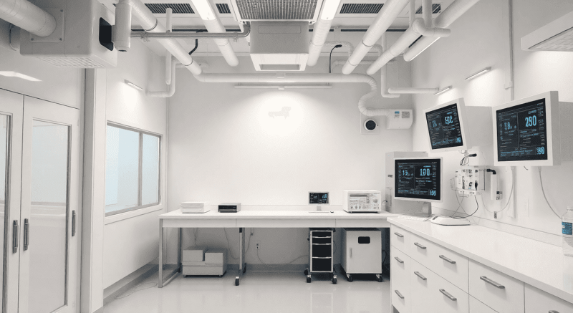
Modern cleanroom solutions integrate particle counters, humidity sensors, pressure differentials, and temperature monitoring systems into centralized dashboards. These systems enable operators to visualize environmental conditions in real time and receive predictive alerts before deviations escalate into compliance risks. Artificial intelligence algorithms can analyze environmental trends, detect anomalies, and recommend corrective actions, significantly reducing downtime and contamination incidents.
The integration of digital twin technology is another breakthrough shaping the future. By simulating airflow dynamics and environmental performance virtually, manufacturers can optimize cleanroom layouts before physical implementation. This enhances efficiency while minimizing costly modifications.
Cloud-based compliance management systems also enable remote audit preparation and regulatory documentation automation. Facilities can securely store and retrieve environmental data, validation reports, and maintenance logs instantly.
Ziebaq and other forward-oriented brands are embedding smart monitoring frameworks within their cleanroom systems, ensuring operational transparency and predictive maintenance capabilities. As industries demand higher efficiency and lower contamination risks, connected cleanroom environments will become the industry standard rather than a competitive advantage.
Modular Engineering and Flexible Infrastructure
The future of Cleanroom Solutions strongly favors modular engineering and prefabricated systems. Traditional construction models often require extended timelines, high capital expenditure, and limited scalability. In contrast, modular cleanroom solutions provide flexibility, rapid deployment, and reduced lifecycle costs.
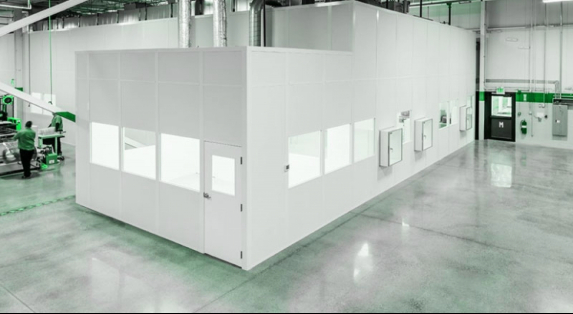
Prefabricated wall panels, ceiling grids, and integrated HVAC systems allow facilities to scale operations with minimal structural disruption. This is particularly valuable in fast-growing sectors such as semiconductor fabrication, biotechnology research, and advanced medical manufacturing, where time-to-market directly influences competitive positioning.
Modular cleanrooms also support reconfiguration based on production changes. As product lines evolve, controlled environments can be expanded, reduced, or restructured without major reconstruction. This adaptability significantly reduces long-term infrastructure risks.
Another advantage lies in sustainability. Modular systems generate less construction waste and often incorporate energy-efficient materials, aligning with global ESG objectives. Additionally, validation timelines are shorter because prefabricated components undergo quality checks before installation.
Ziebaq is increasingly focusing on scalable modular Cleanroom Solutions that combine structural precision with regulatory compliance. In the coming years, modular cleanroom infrastructure will dominate new facility development due to its efficiency, cost-effectiveness, and adaptability.
Sustainability and Energy Optimization
Energy efficiency is becoming central to next-generation Cleanroom Solutions. Cleanrooms traditionally consume substantial energy due to high air change rates (ACH), advanced HVAC filtration systems, and strict temperature and humidity control. As environmental regulations tighten and corporate sustainability goals expand, cleanroom engineering must evolve to reduce carbon footprints without compromising contamination control.
Variable Air Volume (VAV) systems, intelligent airflow optimization, and high-efficiency particulate filtration are transforming energy consumption models. Advanced HVAC systems now incorporate heat recovery technologies, allowing facilities to reuse thermal energy and lower operational costs.
Material innovation also plays a role. Low-emission construction materials, recyclable panel systems, and sustainable flooring options are increasingly integrated into modern cleanroom solutions. Furthermore, smart monitoring systems adjust airflow dynamically based on occupancy and production activity, preventing unnecessary energy expenditure.
Sustainability in 2026 is not merely environmental stewardship; it is financial strategy. Energy-efficient cleanroom systems lower operational expenditure and improve total cost of ownership (TCO).
Ziebaq aligns its engineering strategies with sustainable infrastructure principles, ensuring that advanced cleanroom systems balance performance, compliance, and environmental responsibility. As industries shift toward carbon neutrality goals, sustainable Cleanroom Solutions will define competitive leadership.
Industry-Specific Innovation and Strategic Outlook
The future of Cleanroom Solutions will increasingly be shaped by industry-specific innovation. Pharmaceutical and biotechnology sectors require ultra-sterile environments for cell and gene therapies, mRNA production, and personalized medicine. Semiconductor manufacturing demands nanoparticle-level contamination control to support advanced microchip fabrication. Medical device manufacturing relies on controlled environments to ensure product sterility and patient safety.
Each industry presents unique contamination risks and compliance requirements. As a result, standardized cleanroom models are gradually being replaced by customized, application-driven solutions. Isolator-based systems, robotic material handling, and AI-powered contamination detection are becoming integral to next-generation cleanroom infrastructure.
Furthermore, digital compliance ecosystems are transforming documentation and audit processes. Automated validation, cloud-based reporting, and predictive maintenance analytics are redefining operational efficiency.
Ziebaq positions itself within this evolving landscape by delivering adaptable Cleanroom Solutions tailored to sector-specific needs. By integrating modular engineering, smart monitoring, and sustainability-driven design, the brand reflects the broader transformation shaping the cleanroom industry.
In 2026 and beyond, cleanroom environments will no longer be passive infrastructure. They will function as intelligent, adaptive systems that directly influence product quality, regulatory success, and long-term operational resilience.
Advanced Filtration and Airflow Technologies
Filtration and airflow engineering remain the backbone of high-performance Cleanroom Solutions. As industries push toward smaller tolerances and higher sterility assurance levels, the demand for superior air purity continues to intensify. High-Efficiency Particulate Air (HEPA) and Ultra-Low Penetration Air (ULPA) filters are evolving to deliver improved particle capture efficiency, longer service life, and lower pressure drop. These enhancements not only strengthen contamination control but also contribute to energy optimization.
Laminar airflow systems are becoming more refined, ensuring unidirectional airflow that minimizes turbulence and particle migration. In advanced semiconductor fabrication facilities, airflow precision is critical to prevent nanoscale contamination. Meanwhile, pharmaceutical sterile production environments rely on controlled airflow patterns to maintain microbial integrity.
Fan Filter Units (FFUs) are increasingly equipped with intelligent sensors that monitor filter loading conditions, airflow velocity, and pressure differentials in real time. This allows predictive maintenance instead of reactive filter replacement, reducing downtime and operational costs.
Airflow visualization through computational fluid dynamics (CFD) modeling is also becoming standard practice during cleanroom design. By simulating airflow behavior before construction, engineers can optimize system performance and minimize redesign risks.
Ziebaq integrates advanced filtration and airflow technologies into its Cleanroom Solutions to ensure precision, compliance, and operational sustainability. In the future, cleanroom air management systems will be smarter, more efficient, and increasingly automated, strengthening contamination control at every operational layer.
AI, Robotics, and Operational Automation
Artificial intelligence and automation are fundamentally reshaping Cleanroom Solutions in 2026 and beyond. Human activity has long been identified as a primary contamination source in controlled environments. As a result, industries are accelerating the adoption of robotic systems and AI-powered monitoring tools to reduce manual intervention.
Robotic material handling systems are now being integrated into pharmaceutical and semiconductor cleanrooms to manage sterile transfers and delicate components. These automated systems operate within validated environmental parameters, minimizing contamination risk while improving process consistency.
AI-driven environmental analytics platforms analyze historical particle counts, humidity fluctuations, and pressure differentials to forecast contamination risks before they occur. Predictive algorithms can recommend airflow adjustments or maintenance interventions automatically, ensuring environmental stability.
Digital twin modeling further enhances operational control. By creating virtual replicas of cleanroom facilities, operators can test modifications, evaluate risk scenarios, and optimize performance without disrupting live production environments.
Automation also extends to documentation. Intelligent software platforms generate validation reports, track deviations, and maintain secure audit trails aligned with regulatory requirements. This reduces administrative burden while strengthening compliance integrity.
Ziebaq recognizes the importance of automation-driven cleanroom ecosystems and incorporates advanced digital frameworks into its cleanroom systems. As industries pursue higher productivity and lower contamination risks, AI-enabled Cleanroom Solutions will define the operational benchmark for the next decade.
Cost Efficiency, Lifecycle Value, and ROI Optimization
The financial evaluation of Cleanroom Solutions is evolving beyond initial capital expenditure. In 2026, organizations prioritize lifecycle value, operational efficiency, and return on investment (ROI) when planning controlled environment infrastructure. Cleanrooms represent significant capital investments, but advanced engineering strategies can significantly reduce total cost of ownership (TCO).
Energy-efficient HVAC systems, predictive maintenance technologies, and modular construction approaches contribute directly to lower operational costs. Smart monitoring systems reduce unplanned downtime by identifying potential failures before they escalate. This minimizes production interruptions, which can be extremely costly in pharmaceutical and semiconductor industries.
Lifecycle optimization also includes durable materials that resist microbial growth and chemical degradation, reducing replacement frequency. Modular components allow incremental expansion rather than complete reconstruction, preserving long-term financial flexibility.
Furthermore, compliance-driven design minimizes regulatory delays and costly corrective modifications. Cleanroom solutions that integrate digital validation and automated documentation streamline audit processes, accelerating product approvals and market entry.
Ziebaq aligns its Cleanroom Solutions with ROI-focused engineering principles, ensuring that performance, compliance, and cost-efficiency operate in balance. As industries demand measurable financial accountability, cleanroom investments must demonstrate quantifiable long-term value.
In the future, financial strategy and cleanroom engineering will become increasingly interconnected. Organizations that adopt scalable, energy-efficient, and digitally integrated cleanroom systems will achieve stronger operational resilience and sustained competitive advantage.
Digital Compliance, Data Integrity, and Real-Time Documentation
The future of Cleanroom Solutions is inseparable from digital compliance ecosystems. Regulatory authorities increasingly demand not only environmental control but also verifiable, tamper-proof data integrity. In 2026 and beyond, manual logbooks and fragmented spreadsheets are being replaced by centralized digital validation platforms that ensure transparency, traceability, and audit readiness.
Modern cleanroom systems integrate environmental monitoring with automated documentation workflows. Particle counts, differential pressure readings, temperature logs, and humidity data are continuously captured and securely stored within cloud-based systems. This enables facilities to generate real-time compliance reports aligned with global standards such as ISO 14644 and EU GMP Annex 1.
Data integrity frameworks now incorporate user authentication controls, encrypted storage protocols, and electronic signatures to comply with international regulatory expectations. Automated deviation alerts notify operators immediately when environmental parameters exceed validated thresholds, enabling rapid corrective action and minimizing compliance risk.
Another emerging trend is remote audit capability. Regulatory inspections are increasingly supported by secure digital portals that allow authorities to review documentation, monitoring records, and validation reports without physical presence. This significantly enhances operational efficiency while reducing audit preparation time.
Ziebaq integrates advanced digital compliance architecture within its Cleanroom Solutions to ensure seamless documentation management and regulatory alignment. As global oversight intensifies, cleanroom environments must function as data-driven ecosystems where operational performance and compliance validation are continuously synchronized.
Strategic Outlook: The Competitive Advantage of Future-Ready Cleanroom Solutions
The transformation of Cleanroom Solutions in 2026 and beyond reflects a broader industrial evolution toward intelligence, sustainability, and precision engineering. Controlled environments are no longer viewed solely as contamination barriers; they are strategic assets directly influencing product quality, regulatory success, and brand reputation.
Industry-specific customization is becoming essential. Pharmaceutical facilities require sterile assurance for advanced biologics and gene therapies. Semiconductor manufacturers demand nanoscale particle control to support microchip innovation. Medical device production facilities rely on validated sterile environments to ensure patient safety. Each sector requires tailored cleanroom systems engineered around its unique operational risks.
Future-ready cleanroom solutions combine modular design, AI-driven monitoring, energy optimization, advanced filtration, and digital compliance integration into a cohesive infrastructure model. These integrated systems improve operational reliability while supporting scalability and rapid technological adaptation.
Ziebaq positions itself at the intersection of engineering precision and digital innovation, delivering Cleanroom Solutions designed for long-term resilience. By aligning modular infrastructure with intelligent monitoring and sustainability-focused design, the brand reflects the next phase of cleanroom evolution.
As industries continue to innovate, cleanroom environments will become increasingly autonomous, predictive, and adaptable. Organizations that invest in smart, scalable, and compliance-driven cleanroom systems today will secure operational excellence and sustained competitive advantage well beyond 2026.
Workforce Evolution and Human-Centric Cleanroom Design
While automation and AI are reshaping Cleanroom Solutions, the human workforce remains a critical component of controlled environment operations. In 2026 and beyond, cleanroom design is increasingly focused on ergonomics, operator safety, and workflow efficiency. Rather than viewing personnel solely as contamination risks, modern cleanroom engineering seeks to optimize human-machine collaboration.
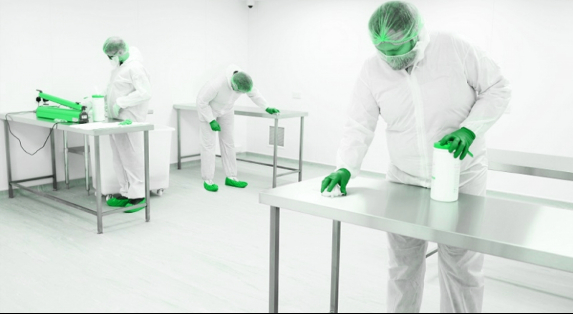
Advanced gowning systems, touchless entry controls, and automated material transfer chambers reduce contamination exposure while improving personnel flow. Ergonomically designed workstations minimize operator fatigue during extended production cycles, particularly in pharmaceutical aseptic processing and medical device assembly. Lighting systems now incorporate glare-free LED configurations that reduce eye strain while maintaining visual precision.
Training is also evolving through digital simulation tools. Virtual reality (VR) platforms allow personnel to practice gowning procedures, contamination control protocols, and emergency responses within simulated cleanroom environments. This reduces real-world risk while improving operational competence.
Airflow engineering now accounts for personnel movement patterns to prevent turbulence-induced contamination. Cleanroom layouts are strategically designed to reduce cross-traffic and optimize pressure cascades.
Ziebaq integrates human-centric engineering principles within its Cleanroom Solutions, ensuring that productivity, safety, and contamination control operate in alignment. In the future, cleanroom environments will balance advanced automation with optimized human interaction, creating operational ecosystems that enhance both precision and workforce efficiency.
Global Expansion and Emerging Market Demand
The global expansion of biotechnology, semiconductor fabrication, and advanced healthcare manufacturing is accelerating demand for next-generation Cleanroom Solutions. Emerging markets across Asia, the Middle East, and parts of Africa are investing heavily in pharmaceutical production, vaccine manufacturing, and microelectronics infrastructure.
Governments are prioritizing domestic manufacturing capabilities to reduce reliance on global supply chains. This shift requires rapid deployment of compliant cleanroom facilities that meet international standards. Modular cleanroom systems play a critical role in supporting these accelerated infrastructure projects, enabling faster construction and validation.
In addition, the rise of contract manufacturing organizations (CMOs) and contract development and manufacturing organizations (CDMOs) is driving demand for flexible cleanroom environments that can accommodate multiple product lines. These facilities require scalable infrastructure capable of adapting to varied contamination control requirements.
Technological transfer between developed and emerging markets also necessitates standardized cleanroom engineering practices aligned with global compliance frameworks. Digital monitoring systems ensure consistent performance across geographically dispersed facilities.
Ziebaq aligns its Cleanroom Solutions strategy with this expanding global demand, delivering adaptable infrastructure capable of meeting both regional regulatory requirements and international quality expectations. As global industrialization accelerates, cleanroom technology will serve as foundational infrastructure supporting advanced manufacturing ecosystems worldwide.
Innovation Roadmap Beyond 2026
Looking beyond 2026, Cleanroom Solutions will continue evolving through integration of advanced materials science, autonomous environmental control, and real-time contamination analytics. Nanotechnology-based filtration materials are expected to enhance particle capture efficiency while reducing airflow resistance. Self-cleaning surfaces and antimicrobial coatings will further strengthen contamination prevention strategies.
Autonomous cleanrooms may emerge as a dominant model in high-precision industries. These environments will leverage AI-driven airflow regulation, robotic production lines, and continuous environmental self-calibration. Human intervention will be minimized to supervisory roles, significantly lowering contamination risk.
Edge computing technologies will enable faster data processing within cleanroom monitoring systems, reducing latency in environmental adjustments. Blockchain-based compliance tracking may also enhance data security and regulatory transparency.
Sustainability innovations will continue progressing, with carbon-neutral HVAC systems and renewable energy integration becoming more prevalent. The convergence of green engineering and intelligent automation will define next-generation cleanroom infrastructure.
Ziebaq remains positioned to evolve alongside these technological advancements by embedding scalability, digital intelligence, and sustainability into its Cleanroom Solutions framework. The future of cleanroom engineering is not static—it is adaptive, predictive, and strategically integrated. Organizations that embrace this innovation roadmap will establish enduring operational resilience in an increasingly precision-driven industrial landscape.
Risk Management, Contamination Control Strategy, and Operational Resilience
In 2026 and beyond, Cleanroom Solutions are increasingly structured around comprehensive risk management frameworks rather than isolated contamination controls. The concept of a formal Contamination Control Strategy (CCS) has become central to pharmaceutical and high-precision manufacturing facilities. Instead of reacting to deviations, organizations now design cleanroom environments with layered preventive controls that address microbial, particulate, and cross-contamination risks at every stage of operation.
Risk-based cleanroom engineering evaluates airflow dynamics, personnel movement, material transfer pathways, pressure cascades, and filtration efficiency as interconnected variables. Computational modeling tools help simulate worst-case contamination scenarios, enabling engineers to strengthen mitigation systems before operational deployment.
Operational resilience is another critical priority. Supply chain disruptions, energy fluctuations, and global health crises have demonstrated the importance of adaptable infrastructure. Future-ready cleanroom solutions incorporate redundancy within HVAC systems, backup power integration, and modular expansion capacity to maintain continuity during unexpected events.
Environmental monitoring is increasingly supported by automated alert hierarchies that trigger corrective workflows instantly. Predictive analytics further enhance resilience by identifying subtle environmental shifts before compliance thresholds are breached.
Ziebaq integrates risk-based design methodology within its Cleanroom Solutions, ensuring facilities are engineered not only for regulatory compliance but also for operational stability under dynamic conditions. As industries become more complex and interdependent, resilient cleanroom ecosystems will serve as foundational infrastructure protecting product integrity and organizational continuity.
Integration with Advanced Manufacturing Ecosystems
The future of Cleanroom Solutions extends beyond standalone facilities; they are becoming integrated components within advanced manufacturing ecosystems. Smart factories, Industry 4.0 platforms, and digitally connected production networks require cleanroom infrastructures that communicate seamlessly with enterprise systems.
Cleanrooms are now interfacing directly with Manufacturing Execution Systems (MES), Enterprise Resource Planning (ERP) platforms, and quality management software. Environmental data feeds into centralized analytics dashboards that correlate production output with contamination metrics. This holistic visibility allows decision-makers to optimize process performance while maintaining strict environmental control.
Additive manufacturing, nanofabrication, and precision biomedical engineering demand ultra-controlled environments synchronized with automated production lines. Cleanroom design is increasingly coordinated alongside robotics, automated guided vehicles (AGVs), and real-time quality inspection systems.
Data interoperability plays a crucial role in this integration. Standardized communication protocols allow environmental monitoring systems to share information securely across digital infrastructure layers. Cybersecurity measures ensure that cleanroom data remains protected against unauthorized access.
Ziebaq aligns its Cleanroom Solutions with smart manufacturing principles, delivering infrastructure that integrates seamlessly into digitally connected production environments. As manufacturing ecosystems grow more intelligent and interconnected, cleanrooms will evolve into active data nodes within the broader industrial network.
Long-Term Strategic Vision for Cleanroom Infrastructure
The long-term trajectory of Cleanroom Solutions points toward highly adaptive, data-driven, and sustainability-centered infrastructure models. Cleanrooms will increasingly function as strategic assets rather than operational overhead. Their performance will directly influence innovation speed, regulatory approval timelines, and market competitiveness.
Future infrastructure planning will emphasize scalability from the outset. Facilities will be designed with expansion corridors, modular add-ons, and reconfigurable zones to accommodate evolving production demands. Investment decisions will prioritize lifecycle efficiency, digital integration, and regulatory agility.
Advanced materials with antimicrobial properties, smart surfaces capable of detecting contamination, and self-optimizing HVAC systems will become mainstream. Environmental intelligence will enable cleanrooms to automatically adjust airflow and pressure gradients based on production phases.
Global collaboration between engineering firms, regulatory bodies, and technology providers will further standardize high-performance cleanroom frameworks. Organizations that anticipate these structural shifts will position themselves at the forefront of advanced manufacturing innovation.
Ziebaq continues to develop Cleanroom Solutions that align with this long-term strategic vision, integrating precision engineering, intelligent monitoring, and sustainable design principles. As industries advance into increasingly complex technological frontiers, cleanroom infrastructure will remain a critical pillar supporting safe, compliant, and high-performance production environments worldwide.
Investment Planning, Capital Allocation, and Infrastructure Strategy
As Cleanroom Solutions become more technologically sophisticated, investment planning is shifting from short-term budgeting to long-range infrastructure strategy. In 2026 and beyond, organizations are evaluating cleanroom projects through a strategic capital allocation lens that balances innovation, compliance, scalability, and financial sustainability.
Cleanroom development now begins with feasibility analysis that integrates operational forecasting, regulatory mapping, and production scalability models. Rather than designing facilities around immediate needs, forward-looking manufacturers are building adaptable infrastructures capable of supporting evolving product portfolios. This includes flexible zoning, scalable HVAC architecture, and modular expansion provisions.
Capital expenditure (CapEx) considerations are increasingly aligned with operational expenditure (OpEx) optimization. Energy-efficient systems, predictive maintenance platforms, and automated monitoring reduce long-term operational costs, improving return on investment. Financial modeling now incorporates total lifecycle value rather than upfront construction expenses alone.
Additionally, cleanroom investments are closely tied to risk mitigation strategies. Redundancy in critical systems, digital compliance frameworks, and modular adaptability safeguard against regulatory disruptions and market volatility.
Ziebaq approaches Cleanroom Solutions with a strategic engineering perspective that aligns technical excellence with financial prudence. By integrating scalable infrastructure and intelligent systems into early-stage planning, organizations can secure both operational agility and long-term capital efficiency. In an increasingly competitive industrial landscape, strategic cleanroom investment is not simply infrastructure spending—it is foundational business positioning.
Collaboration, Partnerships, and Innovation Ecosystems
The advancement of Cleanroom Solutions is no longer driven by isolated engineering firms alone. The future depends on collaborative ecosystems involving regulatory experts, automation specialists, material scientists, and digital technology providers. Cross-disciplinary integration accelerates innovation while ensuring compliance alignment from concept to commissioning.
Pharmaceutical companies collaborate with cleanroom engineers to develop contamination control strategies aligned with product-specific risk profiles. Semiconductor manufacturers partner with airflow modeling experts to refine nanoscale particle mitigation techniques. Technology firms integrate IoT, AI analytics, and cybersecurity solutions directly into cleanroom monitoring platforms.
Academic research institutions also play a growing role by advancing filtration materials, antimicrobial coatings, and airflow optimization studies. These partnerships accelerate the translation of laboratory innovations into practical cleanroom applications.
Collaboration extends beyond development into continuous improvement. Data-sharing platforms allow benchmarking of environmental performance across multiple facilities, driving operational excellence industry-wide.
Ziebaq recognizes that sustainable advancement in Cleanroom Solutions requires strategic partnerships and knowledge exchange. By integrating multidisciplinary expertise into engineering frameworks, cleanroom systems can evolve in parallel with emerging manufacturing technologies.
In 2026 and beyond, collaborative innovation ecosystems will shape the next generation of cleanroom infrastructure. Organizations that embrace partnership-driven development will gain access to advanced capabilities, faster innovation cycles, and stronger compliance assurance—ensuring their cleanroom environments remain competitive, intelligent, and future-ready.
Training, Certification, and Organizational Readiness
The future of Cleanroom Solutions extends beyond infrastructure and technology—it encompasses workforce competence and organizational readiness. As cleanroom environments become more digitally integrated and regulation-intensive, employee training and certification frameworks must evolve accordingly. Advanced cleanroom systems demand operators who understand contamination control science, airflow dynamics, digital monitoring platforms, and compliance documentation protocols.
In 2026 and beyond, structured training programs will integrate simulation-based learning, virtual cleanroom walkthroughs, and AI-assisted assessment modules. Personnel will be trained not only in gowning procedures and sterile handling techniques but also in interpreting environmental analytics dashboards and responding to predictive alerts. This dual focus on technical hygiene and digital literacy strengthens operational reliability.
Certification requirements are also expanding. Organizations are increasingly adopting formal validation-based competency programs to ensure consistent adherence to contamination control strategies. Cross-functional training—combining engineering, quality assurance, and production teams—promotes a unified understanding of cleanroom risk management.
Digital knowledge management systems allow continuous documentation of staff qualifications, retraining schedules, and compliance readiness. This enhances audit preparedness and reinforces regulatory confidence.
Ziebaq integrates workforce-centric planning into its Cleanroom Solutions approach, recognizing that infrastructure performance depends on trained personnel. As cleanrooms become more intelligent and automated, the human element will shift toward oversight, analysis, and strategic control. Organizations that prioritize education and certification will strengthen both compliance resilience and operational precision.
Cybersecurity and Data Protection in Smart Cleanrooms
As Cleanroom Solutions become digitally connected ecosystems, cybersecurity emerges as a critical priority. Environmental monitoring systems, cloud-based compliance platforms, and integrated manufacturing networks generate vast volumes of sensitive operational data. Protecting this data against unauthorized access or system disruption is essential for maintaining regulatory integrity and business continuity.
Modern cleanroom environments rely on interconnected sensors, AI-driven analytics engines, and centralized dashboards. These digital infrastructures must be secured through encrypted communication protocols, multi-layer authentication systems, and continuous network monitoring. Cyber vulnerabilities could compromise environmental data accuracy, disrupt automated controls, or expose confidential production information.
Regulatory bodies are increasingly attentive to data integrity and electronic record protection. Secure audit trails, access control hierarchies, and digital signature validation are now fundamental compliance expectations. Cleanroom operators must ensure that monitoring systems align with both contamination control standards and cybersecurity best practices.
Advanced cybersecurity frameworks also include real-time threat detection and disaster recovery protocols. Redundant data storage and system backups safeguard operational continuity during unexpected cyber incidents.
Ziebaq incorporates secure digital architecture into its Cleanroom Solutions to ensure that environmental intelligence systems operate within protected networks. As smart cleanrooms continue to evolve, cybersecurity will remain inseparable from contamination control. Organizations that integrate robust digital protection measures will reinforce both regulatory trust and long-term operational resilience.
Quality Assurance, Continuous Improvement, and Performance Benchmarking
In 2026 and beyond, Cleanroom Solutions will be increasingly measured through structured quality assurance frameworks and continuous improvement methodologies. Cleanroom performance is no longer evaluated solely through periodic validation; it is continuously benchmarked against operational efficiency, contamination control stability, and regulatory adherence.
Quality assurance now integrates real-time environmental analytics with key performance indicators (KPIs) such as particle excursion frequency, deviation response time, energy consumption efficiency, and maintenance cycle intervals. These measurable benchmarks allow organizations to identify optimization opportunities proactively rather than reacting to compliance failures.
Continuous improvement strategies such as Lean manufacturing and Six Sigma are being adapted for controlled environments. By analyzing airflow variability, gowning compliance trends, and equipment performance metrics, organizations can reduce waste, enhance sterility assurance, and improve throughput.
Environmental trend analysis plays a crucial role in predictive optimization. Advanced monitoring systems track micro-variations in pressure differentials, airflow velocity, and microbial levels to detect subtle shifts before they escalate. This transforms Cleanroom Solutions into performance-driven ecosystems that evolve over time.
Ziebaq integrates quality-centric engineering principles within its cleanroom systems, emphasizing data transparency and measurable operational excellence. As industries demand higher reliability and regulatory accountability, continuous benchmarking will define best-in-class cleanroom environments. Facilities that embed performance analytics into their operational DNA will maintain superior compliance readiness and sustained competitive advantage.
Future-Proofing Cleanroom Infrastructure for Emerging Technologies
The long-term sustainability of Cleanroom Solutions depends on their ability to accommodate emerging technologies and evolving production paradigms. Advanced sectors such as quantum computing hardware manufacturing, next-generation battery development, nanomedicine, and space-grade component fabrication are introducing unprecedented contamination control requirements.
Future-proof cleanroom infrastructure emphasizes modular adaptability, digital scalability, and material innovation. Flexible ceiling grids, scalable filtration arrays, and reconfigurable airflow zoning allow facilities to adapt to evolving particle thresholds or sterility classifications without full reconstruction.
Emerging filtration technologies incorporating nanofiber membranes and smart sensing materials will enhance air purity while reducing energy demands. Autonomous environmental control systems will dynamically regulate airflow, temperature, and humidity based on real-time production requirements.
Integration with advanced robotics and automated guided systems ensures compatibility with increasingly autonomous manufacturing models. Cleanroom architecture must also anticipate evolving regulatory frameworks, incorporating design redundancy to accommodate future compliance expansions.
Ziebaq approaches Cleanroom Solutions with a future-ready engineering philosophy that emphasizes scalability, digital intelligence, and structural flexibility. As technological innovation accelerates across industries, cleanroom infrastructure must remain adaptable to new contamination challenges and production methodologies.
In the years beyond 2026, cleanrooms will evolve into intelligent, self-optimizing environments that seamlessly support emerging scientific breakthroughs. Organizations that invest in adaptable and innovation-aligned infrastructure today will secure lasting operational resilience and technological leadership in the decades ahead.
Environmental, Social, and Governance (ESG) Alignment in Cleanroom Infrastructure
As global industries intensify their focus on Environmental, Social, and Governance (ESG) accountability, Cleanroom Solutions are increasingly evaluated through sustainability and ethical performance metrics. Cleanrooms, historically known for high energy consumption and resource-intensive operations, must now align with corporate sustainability targets and global climate commitments.
Environmental alignment begins with energy-efficient HVAC systems, optimized air change rates, and intelligent airflow control mechanisms. Advanced energy modeling tools are used during the design phase to reduce carbon footprint while maintaining strict contamination standards. Renewable energy integration, including solar-powered auxiliary systems and heat recovery units, is becoming more prevalent in new cleanroom developments.
Social responsibility extends to workforce safety and community impact. Cleanroom facilities are designed to minimize chemical exposure risks and maintain high occupational health standards. Transparent reporting practices enhance stakeholder trust and regulatory confidence.
Governance considerations emphasize compliance integrity, digital traceability, and responsible supply chain management. Cleanroom components, including filtration systems and construction materials, are increasingly sourced from vendors meeting sustainability certifications.
Ziebaq integrates ESG-conscious engineering within its Cleanroom Solutions, ensuring that performance excellence aligns with environmental stewardship and corporate responsibility. In 2026 and beyond, cleanroom infrastructure will not only be assessed by contamination control efficiency but also by its contribution to broader sustainability objectives and ethical operational standards.
The Convergence of Innovation, Compliance, and Competitive Advantage
The trajectory of Cleanroom Solutions beyond 2026 reflects a powerful convergence of innovation, regulatory sophistication, and strategic business positioning. Cleanrooms are transitioning from static containment spaces to dynamic, data-driven environments that directly influence product quality, speed-to-market, and brand credibility.
Technological integration—combining AI analytics, modular engineering, advanced filtration, and digital compliance platforms—creates environments that are simultaneously intelligent and resilient. These integrated systems enable real-time performance optimization while maintaining strict adherence to global standards such as ISO 14644.
Competitive differentiation increasingly depends on how effectively organizations deploy future-ready cleanroom infrastructure. Facilities that incorporate predictive analytics, energy optimization, cybersecurity frameworks, and workforce training programs gain measurable operational advantages. Regulatory readiness becomes faster, audit outcomes improve, and contamination risks are significantly reduced.
Ziebaq positions its Cleanroom Solutions within this integrated innovation framework, combining precision engineering with digital intelligence and sustainability-driven design. This holistic approach ensures that cleanroom environments remain adaptable to evolving industry demands and regulatory landscapes.
Ultimately, the future of cleanroom infrastructure is defined by adaptability, intelligence, and strategic foresight. Organizations that recognize cleanrooms as critical innovation enablers—rather than mere compliance necessities—will lead the next generation of pharmaceutical, semiconductor, healthcare, and advanced manufacturing industries.
Smart Materials and Surface Innovation in Cleanroom Environments
Material science is playing an increasingly influential role in shaping next-generation Cleanroom Solutions. In 2026 and beyond, cleanroom performance will not rely solely on airflow engineering and filtration systems, but also on the microscopic behavior of surfaces within controlled environments. Advanced materials are being developed to actively resist microbial growth, reduce particle adhesion, and withstand aggressive sterilization cycles.
Antimicrobial wall panels, non-shedding composite materials, and seamless flooring systems are becoming standard features in pharmaceutical and medical device facilities. These materials are engineered to minimize crevices where contaminants can accumulate, thereby strengthening overall contamination control strategies. High-durability coatings resistant to chemical disinfectants extend lifecycle performance while maintaining structural integrity.
Emerging nanotechnology-based surface treatments offer self-disinfecting capabilities activated by light or environmental triggers. Such innovations reduce reliance on intensive chemical cleaning regimens and contribute to sustainability goals. Additionally, electrostatic-dissipative (ESD) surfaces are critical in semiconductor manufacturing cleanrooms, protecting sensitive components from electrostatic discharge damage.
Ziebaq integrates advanced material engineering within its Cleanroom Solutions, recognizing that structural surfaces directly influence environmental stability. As research in smart materials accelerates, cleanroom infrastructure will become more proactive—actively contributing to contamination control rather than passively supporting it.
In the coming years, surface innovation will be as critical as airflow design in maintaining sterility, improving durability, and optimizing operational efficiency across high-precision industries.
Adaptive HVAC Architecture and Intelligent Air Management
Heating, Ventilation, and Air Conditioning (HVAC) systems remain the operational core of all Cleanroom Solutions. However, the future lies in adaptive HVAC architecture capable of dynamically adjusting to real-time production demands. Rather than maintaining fixed airflow rates continuously, intelligent air management systems analyze occupancy levels, equipment activity, and environmental conditions to optimize performance.
Advanced variable air volume (VAV) systems automatically regulate airflow while preserving required air change rates and pressure cascades. Smart dampers and sensor-integrated duct networks ensure consistent environmental equilibrium across multiple cleanroom zones. This adaptive approach significantly reduces energy consumption without compromising contamination control integrity.
Computational Fluid Dynamics (CFD) modeling is increasingly utilized during design stages to simulate airflow patterns and eliminate turbulence-prone zones. These predictive simulations enhance pressure balancing and ensure uniform particle displacement.
Integration with centralized digital dashboards allows facility managers to monitor airflow velocity, filter performance, and environmental deviations in real time. Predictive maintenance algorithms identify potential system inefficiencies before operational disruption occurs.
Ziebaq incorporates adaptive HVAC engineering into its Cleanroom Solutions, ensuring energy optimization and regulatory compliance operate simultaneously. As energy efficiency and sustainability become global imperatives, intelligent air management will define the operational excellence of next-generation cleanroom environments.
Long-Term Industry Outlook and Global Technological Convergence
Looking further beyond 2026, Cleanroom Solutions will exist at the convergence of biotechnology innovation, semiconductor miniaturization, advanced robotics, and sustainable engineering. Cleanrooms will increasingly support precision industries developing breakthrough therapies, high-density microchips, advanced aerospace components, and next-generation energy systems.
Global collaboration between regulatory agencies, engineering innovators, and digital technology providers will continue standardizing best practices across regions. Emerging markets will adopt advanced cleanroom infrastructures aligned with international compliance expectations, accelerating global manufacturing capabilities.
Artificial intelligence will likely evolve toward fully autonomous environmental regulation, enabling cleanrooms to self-adjust without manual intervention. Integration with smart factory ecosystems will transform controlled environments into intelligent production nodes within interconnected industrial networks.
Ziebaq continues aligning its Cleanroom Solutions with this global technological convergence, embedding scalability, digital intelligence, and sustainable design within its engineering framework. As innovation accelerates across industries, the role of cleanroom infrastructure will expand beyond contamination control to become a foundational pillar of scientific and industrial advancement.
The future of Cleanroom Solutions is defined by adaptability, resilience, intelligence, and sustainability. Organizations that embrace this forward-looking infrastructure strategy will secure operational leadership in an increasingly precision-driven and compliance-intensive global economy.
Lifecycle Management and Decommissioning Strategy
As Cleanroom Solutions become more advanced and capital-intensive, lifecycle management is gaining strategic importance. Cleanrooms are no longer designed solely for immediate production needs; they are engineered with long-term performance tracking, phased upgrades, and eventual decommissioning considerations in mind. In 2026 and beyond, organizations are adopting structured lifecycle planning models that extend from conceptual design to controlled dismantling.
Lifecycle management begins with material durability selection, predictive maintenance integration, and modular expandability. Monitoring systems track equipment efficiency, airflow performance, and filter degradation trends to forecast replacement cycles accurately. This data-driven approach minimizes unplanned downtime and prevents costly emergency interventions.
As technologies evolve, partial retrofitting becomes preferable to full reconstruction. Modular Cleanroom Solutions enable replacement of wall panels, ceiling grids, filtration arrays, or HVAC components without disrupting entire facilities. This adaptability protects capital investments while allowing technological upgrades.
Decommissioning strategy is also gaining attention. Cleanroom dismantling must comply with environmental regulations and waste management protocols, particularly in pharmaceutical and semiconductor facilities where hazardous materials may be involved. Sustainable decommissioning practices, including recyclable panel systems and responsible material disposal, support ESG objectives.
Ziebaq integrates lifecycle-focused engineering within its Cleanroom Solutions, ensuring that infrastructure investments remain resilient and adaptable over time. Long-term lifecycle planning enhances financial efficiency, regulatory continuity, and operational sustainability in an increasingly dynamic industrial landscape.
Reshaping Competitive Advantage Through Intelligent Infrastructure
In the evolving industrial ecosystem of 2026 and beyond, Cleanroom Solutions are no longer viewed as background operational necessities—they are strategic enablers of innovation and competitive differentiation. The ability to maintain ultra-controlled environments with intelligent monitoring, sustainable design, and adaptive infrastructure directly influences market credibility and product quality.
Organizations investing in smart cleanroom ecosystems gain measurable advantages. Faster regulatory approvals, reduced contamination incidents, improved energy efficiency, and scalable production capabilities translate into stronger operational performance. Cleanroom intelligence—powered by AI analytics and digital compliance frameworks—allows real-time performance optimization and data-driven decision-making.
Strategic infrastructure planning also enhances investor confidence. Transparent compliance records, sustainability metrics, and measurable efficiency benchmarks demonstrate responsible operational governance. Cleanrooms thus contribute not only to product integrity but also to corporate brand positioning and stakeholder trust.
Ziebaq aligns its Cleanroom Solutions philosophy with this competitive transformation by combining precision engineering, digital integration, and sustainability-driven design. As global industries pursue innovation in pharmaceuticals, biotechnology, semiconductor fabrication, and advanced manufacturing, intelligent cleanroom infrastructure will serve as a foundational pillar of long-term success.
The future trajectory of cleanroom technology is clear: adaptive, automated, sustainable, and strategically integrated. Organizations that embrace this forward-thinking infrastructure model will secure resilience, compliance strength, and enduring leadership in high-precision industries well beyond 2026.
Customization and Sector-Specific Engineering Precision
As industrial applications diversify, standardized facility models are giving way to highly customized Cleanroom Solutions engineered around sector-specific contamination risks. In 2026 and beyond, precision tailoring will define competitive differentiation. Pharmaceutical sterile filling suites, semiconductor wafer fabrication lines, advanced battery production plants, and medical implant manufacturing units each require distinct airflow dynamics, pressure cascade strategies, and material compatibility specifications.
Customization begins at the conceptual design phase. Risk assessments evaluate microbial exposure points, electrostatic sensitivity thresholds, and particulate tolerance limits. Airflow zoning, gowning pathways, and material transfer routes are then engineered to mitigate those risks systematically. In semiconductor facilities, electrostatic discharge (ESD) control is integrated into flooring systems and surface coatings. In biotechnology production, isolator technology and barrier systems support aseptic integrity.
Engineering precision also extends to environmental parameter stability. Some applications demand ultra-tight humidity tolerances, while others require specialized temperature gradients or controlled oxygen levels. Cleanroom infrastructure must be capable of maintaining these micro-environmental specifications consistently.
Ziebaq approaches Cleanroom Solutions through a customization-driven framework, ensuring infrastructure aligns precisely with each client’s operational and regulatory requirements. As advanced industries continue evolving rapidly, sector-specific engineering precision will remain central to maintaining contamination control excellence and ensuring production reliability across specialized manufacturing environments.
The Role of Predictive Analytics in Future Cleanroom Governance
Predictive analytics is emerging as a defining feature of next-generation Cleanroom Solutions. Rather than relying solely on threshold-based alerts, facilities are leveraging machine learning algorithms to interpret environmental trends and forecast deviations before they occur. This transition from reactive monitoring to predictive governance enhances contamination prevention and regulatory compliance.
Environmental monitoring systems now collect vast data streams, including particle counts, pressure differentials, airflow velocity, humidity levels, and filter loading conditions. Advanced analytics platforms process these data sets to detect patterns indicating potential instability. Subtle fluctuations that might otherwise go unnoticed can trigger preemptive corrective actions.
Predictive models also optimize maintenance scheduling. Instead of fixed service intervals, filter replacement and equipment calibration occur based on actual performance metrics. This approach reduces operational waste and maximizes equipment lifespan.
Beyond environmental control, predictive analytics supports compliance planning by identifying recurring deviation trends that could attract regulatory scrutiny. Facilities can proactively adjust operational protocols to maintain alignment with standards such as ISO 14644.
Ziebaq incorporates data-driven intelligence within its Cleanroom Solutions, enabling organizations to transition toward predictive operational governance. As digital transformation accelerates, predictive analytics will become indispensable for maintaining contamination stability, optimizing resource utilization, and strengthening regulatory resilience in advanced cleanroom environments.
Vision for the Decade Ahead: Autonomous and Self-Optimizing Cleanrooms
Looking further into the decade, Cleanroom Solutions are expected to evolve into autonomous, self-optimizing environments. These facilities will integrate AI-controlled HVAC regulation, robotic production lines, advanced filtration monitoring, and digital compliance dashboards into a unified operational ecosystem. Human intervention will shift toward supervisory oversight rather than routine environmental management.
Self-calibrating systems will continuously adjust airflow patterns, pressure cascades, and temperature parameters based on production phases and occupancy levels. Real-time analytics will guide autonomous responses to micro-variations in environmental conditions, maintaining consistent contamination control without manual input.
Material science advancements may introduce intelligent surfaces capable of detecting and neutralizing microbial presence automatically. Combined with nanofiber filtration and adaptive ventilation networks, such innovations will enhance sterility assurance and energy efficiency simultaneously.
Digital compliance ecosystems will operate seamlessly in the background, generating validation reports and maintaining encrypted audit trails without administrative burden. Integration with broader Industry 4.0 manufacturing networks will position cleanrooms as intelligent nodes within global production systems.
Ziebaq continues aligning its Cleanroom Solutions with this forward-looking technological trajectory. As industries pursue greater precision, automation, and sustainability, autonomous cleanroom environments will represent the pinnacle of contamination control innovation—driving operational excellence and technological leadership well beyond 2026.
Strategic Risk Diversification and Supply Chain Integration
In 2026 and beyond, Cleanroom Solutions are increasingly influenced by global supply chain dynamics and geopolitical shifts. The disruptions experienced in recent years have prompted manufacturers to diversify sourcing strategies, localize production capacities, and build infrastructure resilience directly into their controlled environments. Cleanroom infrastructure is no longer isolated from broader operational strategy—it is integrated into supply chain risk mitigation planning.
Localized manufacturing hubs require rapid deployment of compliant cleanroom systems capable of meeting international regulatory benchmarks. Modular Cleanroom Solutions support this shift by enabling scalable, region-specific installations without extended construction cycles. Organizations are designing facilities that can pivot between product categories based on demand fluctuations, enhancing supply chain flexibility.
Redundancy is another key factor. Backup HVAC systems, dual filtration networks, and redundant monitoring architecture protect production continuity during equipment failures or supply interruptions. Digital supply chain integration also allows real-time tracking of cleanroom component sourcing, ensuring traceability and quality assurance.
Ziebaq incorporates resilience-oriented engineering principles into its Cleanroom Solutions, enabling clients to align contamination control infrastructure with strategic supply chain objectives. As global markets remain dynamic and interdependent, integrated cleanroom planning will be essential for maintaining uninterrupted production and regulatory compliance.
Advanced Validation Protocols and Continuous Qualification
Validation methodologies for Cleanroom Solutions are evolving from periodic qualification events to continuous performance verification models. In highly regulated industries, maintaining consistent compliance requires ongoing data analysis and dynamic qualification strategies rather than static certification milestones.
Future-ready cleanrooms implement continuous environmental qualification frameworks that monitor airflow uniformity, particulate control efficiency, microbial trends, and pressure cascade stability in real time. Instead of conducting isolated requalification exercises, facilities use automated performance dashboards to confirm sustained compliance.
Advanced smoke studies, airflow visualization technologies, and digital sensor calibration tools enhance validation precision. Real-time deviation tracking ensures corrective actions are implemented promptly, minimizing regulatory exposure.
Lifecycle qualification is also gaining importance. Each infrastructure modification—whether filter replacement, layout adjustment, or HVAC upgrade—is assessed through impact analysis protocols to maintain validated status. Digital documentation platforms streamline this process by automatically generating compliance reports aligned with standards such as ISO 14644.
Ziebaq integrates structured validation strategies within its Cleanroom Solutions, supporting continuous qualification and audit readiness. As regulatory scrutiny intensifies globally, validation will become an ongoing operational discipline rather than a periodic requirement. Continuous verification ensures environmental integrity, strengthens compliance resilience, and enhances long-term operational stability.
Conclusion: Engineering the Intelligent Cleanroom Era
The future of Cleanroom Solutions in 2026 and beyond is defined by intelligent integration, adaptive infrastructure, sustainability alignment, and predictive operational control. Cleanrooms are evolving from static contamination barriers into dynamic ecosystems that actively support innovation across pharmaceuticals, biotechnology, semiconductor fabrication, and advanced manufacturing sectors.
Modular engineering enhances scalability and rapid deployment. AI-driven monitoring transforms environmental control into a predictive science. Sustainable HVAC systems reduce energy consumption while maintaining strict contamination standards. Digital compliance frameworks ensure transparent documentation and regulatory readiness.
Strategic investment planning, workforce development, cybersecurity integration, and global supply chain alignment further strengthen the resilience of modern cleanroom infrastructure. Each advancement contributes to a unified objective: maintaining contamination control excellence while supporting operational agility.
Ziebaq embodies this transformation by delivering Cleanroom Solutions that combine precision engineering, digital intelligence, and forward-looking sustainability principles. As industries continue pushing technological boundaries, cleanroom infrastructure will remain a foundational pillar enabling safe, compliant, and high-performance production environments.
The coming decade will witness the rise of autonomous, self-optimizing cleanrooms that seamlessly integrate with smart manufacturing ecosystems. Organizations that adopt this intelligent infrastructure strategy today will secure regulatory confidence, operational efficiency, and enduring competitive advantage in an increasingly precision-driven global economy.