

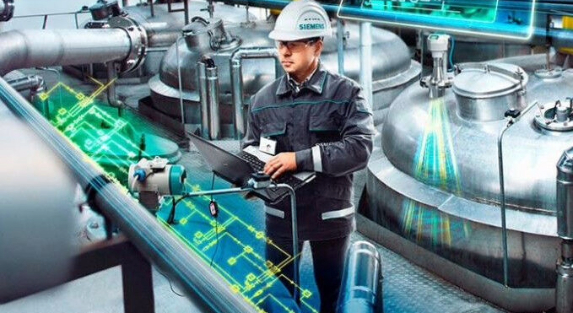
Managing laboratory gas systems has evolved significantly in recent years due to the integration of cutting-edge automation and digital monitoring tools. In the past, laboratories relied heavily on manual pressure readings, visual inspection, and traditional valve controls to manage gases. However, as research industries, pharmaceuticals, biotechnology firms, and high-precision laboratories continue to grow, the demand for accuracy, seamless workflow, and enhanced safety has become more important than ever. Modern laboratories now require highly efficient systems that maintain consistent gas flow, detect problems instantly, and operate with minimal human intervention.
This increasing need for control, safety, and efficiency has positioned automation and smart sensors as essential components of a modern Laboratory Gas Distribution System. With technology adoption rising globally, laboratory gas management is shifting toward intelligent, data-driven systems capable of making real-time adjustments based on usage patterns, environmental factors, and system performance. These advanced systems enable monitoring pressure, detecting leaks, automating cylinder switching, and maintaining accurate flow rates.
From research facilities requiring ultra-high purity gases to medical laboratories using oxygen, nitrogen, or carbon dioxide, automation ensures that the right gas reaches the right equipment at the right moment — without interruption. Smart gas management systems also support digital connectivity, allowing users to monitor consumption, adjust settings, and receive alerts using mobile apps or integrated building automation platforms.
This transformation has brought major improvements in safety, performance reliability, and cost reduction. Automation makes laboratories less dependent on manual processes, which often lead to mistakes or delays. Using smart sensors and intelligent controls, laboratories now achieve greater operational efficiency and compliance with international safety and regulatory standards. As technology continues to advance, automation will be the foundation of every future-oriented laboratory gas infrastructure — offering safer, smarter, and more sustainable gas management.
Understanding Smart Sensors and Their Function in Laboratory Gas Systems
Smart sensors play a crucial role in improving the reliability, functionality, and safety of a Laboratory Gas Distribution System. Unlike traditional pressure gauges or manual monitoring devices, smart sensors collect real-time data, transmit signals to controllers, and respond automatically when system variations occur. These sensors are typically integrated into pipelines, gas regulators, cylinders, storage units, manifolds, and control panels, creating a fully connected system that monitors and regulates gas flow continuously.
Smart sensors measure critical parameters such as pressure, temperature, flow rate, gas purity, cylinder capacity, and potential leaks. Using advanced sensing technology, they can detect anomalies faster than human observation, significantly reducing risks associated with toxic, flammable, or high-pressure gases. For example, if a pressure drop is detected, sensors can send immediate alerts to the monitoring system or initiate automatic safety protocols.
These sensors are often connected to cloud-based dashboards or internal data management systems. This enables laboratory managers and technicians to view real-time system information, track historical usage trends, and identify areas requiring efficiency improvement. Many laboratories use this collected data to forecast gas consumption, streamline purchasing schedules, and reduce operational waste.
Smart sensors also contribute to predictive maintenance. Instead of waiting for a failure, the system can identify issues in advance, such as pipeline blockages, regulator fatigue, or valve malfunction. Proactive intervention minimizes downtime and ensures uninterrupted workflow, especially in environments where gases are essential for experiments, instruments, or climate-controlled spaces.
Integration with smart sensors also enhances compliance with regulatory frameworks such as ISO, NFPA, and OSHA standards. Advanced detection systems support audit documentation, safety certification, and emergency responsiveness. With increasing demand for automation and digital precision, smart sensors are becoming a standard feature in modern gas systems rather than a technological upgrade — marking a major leap forward in laboratory safety and operational intelligence.
Automation and Its Role in Enhancing Lab Gas Distribution Efficiency
Automation is one of the most transformative advancements in laboratory gas management. In a traditional setup, operators manually adjust valves, monitor pressure gauges, and switch gas cylinders when levels are low. While effective to a degree, these processes increase the potential for human error, delay operations, and compromise safety. Automation replaces manual steps with technology-driven controls that regulate gas distribution in real-time, based on pre-set requirements and system conditions.
An automated Laboratory Gas Distribution System improves operational accuracy by stabilizing pressure and flow levels according to the needs of specific instruments or environments. Automated valves, pressure regulators, and supply controllers work together to maintain uniform performance, preventing pressure spikes or interruptions that could jeopardize experiments or damage equipment.
Cylinder-switching automation is another valuable feature. Instead of requiring personnel to manually replace or activate backup cylinders, an automated manifold detects when a cylinder is near depletion and seamlessly transitions gas flow to a secondary source. This ensures a continuous supply — an essential requirement for laboratories operating systems such as incubators, spectrometers, chromatography units, and controlled atmospheric environments.
Automation also supports asset management and cost control. Using integrated software platforms, laboratories can monitor gas consumption, identify waste points, and optimize inventory planning. Automated alerts notify staff when supplies need replacement, reducing emergencies, downtime, and logistical inefficiencies.
Energy efficiency is another benefit. Automated gas systems regulate flow only when needed, avoiding excessive or uncontrolled release. This results in significant cost savings over time, especially in high-consumption research and industrial settings.
Ultimately, automation offers laboratories a smarter, safer, and more predictable method of managing gas infrastructure. Beyond convenience, automation provides long-term value by improving safety standards, reducing operational risk, ensuring consistency, and transforming laboratory gas systems into highly responsive, intelligent networks.
Safety Enhancements Through Automation and Smart Monitoring
Safety is one of the most important priorities in any laboratory environment, especially when dealing with gases under pressure, flammable materials, or hazardous chemical processes. Automation and smart monitoring technologies significantly enhance safety performance within a Laboratory Gas Distribution System by reducing exposure to risk and minimizing operational hazards.
Smart detection systems continuously monitor gas lines and equipment for signs of leaks, pressure inconsistencies, or contamination. In the event of abnormal readings, the system immediately responds by triggering alarms, sending digital notifications, or activating emergency shut-off valves. This rapid-response capability protects personnel, equipment, and facility infrastructure — preventing small issues from escalating into dangerous situations.
Automation also eliminates many manual operations that may expose workers to potential harm. When valves, regulators, and switching systems operate autonomously, the need for physical intervention decreases. This protects technicians from exposure to confined gas storage spaces, high-pressure cylinders, or volatile chemicals.
These advanced systems enhance compliance with international safety standards such as OSHA, ISO 7396, NFPA 55, and country-specific regulatory frameworks. Automated records also support annual reviews, inspections, and audit compliance by digitally storing event logs, leak reports, calibration records, and maintenance documentation.
Smart analytics and reporting further improve safety by identifying patterns such as frequent pressure drops, system overuse, or equipment aging. Predictive alerts allow laboratories to resolve vulnerabilities before they become safety risks.
Additionally, environmental monitoring plays a critical role in detecting oxygen enrichment, oxygen depletion, or the presence of toxic gases in the air — protecting both laboratory personnel and sensitive equipment.
In summary, integrating automation and smart sensors not only modernizes laboratory gas systems but also establishes a proactive safety culture. With continuous monitoring, automated protection measures, and intelligent reporting, laboratories benefit from reduced risk, improved safety standards, and greater confidence in the reliability of their gas infrastructure.
Future Trends and the Next Phase of Smart Gas Management
As technology continues to evolve, the future of gas management in laboratories is becoming more intelligent, interconnected, and autonomous. The next generation of Laboratory Gas Distribution System design is expected to integrate advanced technologies such as artificial intelligence (AI), Internet of Things (IoT), blockchain verification, and data-driven operational learning. These innovations will reshape how laboratories monitor consumption, ensure compliance, maintain system readiness, and achieve performance optimization.
One emerging trend is predictive automation powered by AI. Instead of simply responding to real-time conditions, AI-driven systems will analyze long-term usage patterns and forecast future needs. This capability will enable laboratories to schedule cylinder replacements, maintenance, and safety checks before issues occur.
Internet of Things (IoT) integration will continue connecting smart devices, pressure modules, and sensor networks, allowing centralized control across large multi-building or multi-laboratory facilities. With remote access capabilities, laboratory managers will be able to monitor gas systems from anywhere using secure mobile applications.
Cloud connectivity will also play a growing role by storing operational data, generating compliance reports automatically, and allowing equipment manufacturers to provide remote diagnostics and updates.
Blockchain may be incorporated to create traceable data trails for regulatory compliance, ensuring every gas batch, equipment calibration, or safety event is transparently documented.
Sustainable innovation is also expected to grow. Systems will increasingly incorporate energy-efficient operation, leak-minimization algorithms, and environmentally friendly materials to reduce emissions and carbon footprint.
Ultimately, the future will rely on fully integrated smart gas ecosystems that are self-regulating, highly secure, and capable of supporting both present and future research demands. Automation and intelligent technology are no longer optional — they are the foundation of next-generation laboratory infrastructure.
Conclusion
As laboratories evolve, the expectations surrounding precision, safety, and operational efficiency have become far more demanding than ever before. Traditional manual management methods, although foundational in the past, can no longer match the scale, sensitivity, and accuracy required by modern research and high-performance scientific environments. The integration of automation and smart sensors into a Laboratory Gas Distribution System is not just an upgrade—it represents a transformative shift in how laboratories function, think, and operate.
Smart sensors enable laboratories to monitor gas consumption, leakage risks, pressure stability, and purity in real time. This eliminates guesswork and introduces data-backed decision-making. Laboratories can now anticipate system failures before they occur, significantly reducing downtime, operational hazards, and maintenance expenses. Predictive analytics powered by artificial intelligence is rapidly becoming a standard feature, allowing labs to optimize usage patterns and resource planning more efficiently than ever before.
Automation takes this efficiency even further. With features like automated cylinder switching, remote monitoring, self-regulating flow control, and integration with digital management platforms, automated systems provide uninterrupted performance. This ensures that critical operations—such as pharmaceutical manufacturing, semiconductor production, chemical analysis, or medical research—continue without disruption, protecting both time-sensitive experiments and expensive laboratory assets.
From a safety perspective, intelligent systems set a new benchmark. Instant alerts, automated emergency shutoffs, and compliance-based audit reporting enhance workplace safety while ensuring adherence to strict international regulations such as ISO, NFPA, and OSHA guidelines. In environments where toxic, flammable, or inert gases are handled, this level of protection is indispensable.
Ultimately, the future of laboratory gas handling lies in seamlessly connected, digitally enhanced, and fully automated ecosystems. Laboratories that invest in advanced Laboratory Gas Distribution Systems today position themselves for smarter operations, reduced risk, sustainable resource use, and higher-quality outputs tomorrow. The shift toward automation is not just a technical improvement—it’s a strategic move toward excellence, reliability, and innovation in laboratory infrastructure.