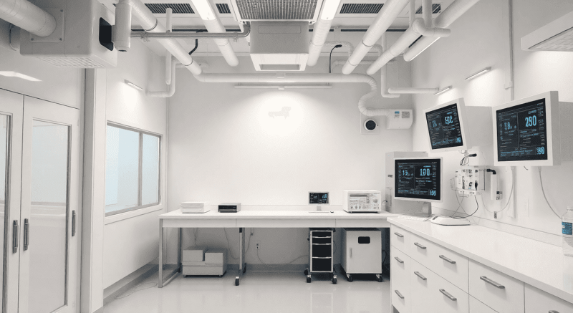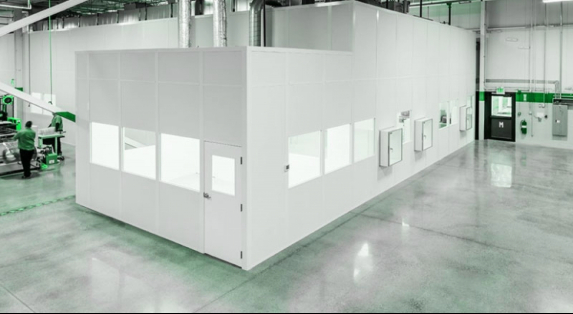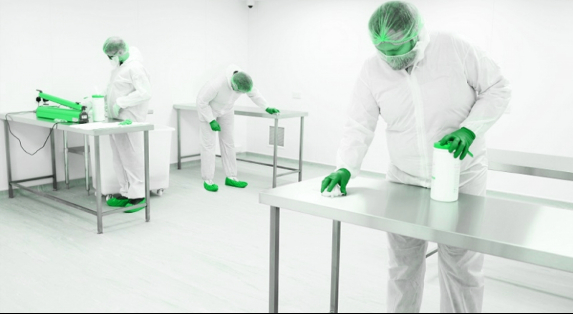
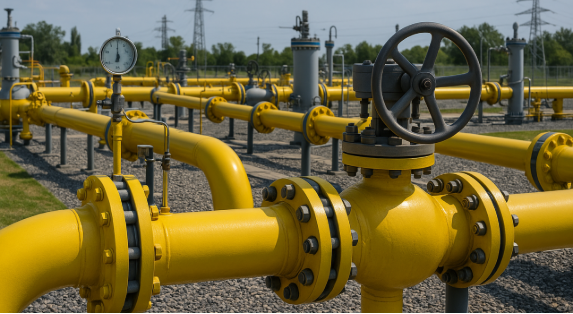
In modern laboratories, gas infrastructure plays a critical role in ensuring operational efficiency, personnel safety, and regulatory compliance. However, poorly designed or outdated gas supply networks often lead to excessive operating costs, gas wastage, safety risks, and unplanned downtime. Implementing a more-efficient Laboratory Gas Distribution System is one of the most effective ways to reduce long-term expenses while significantly improving laboratory safety standards.
This article explores how laboratories can optimize gas distribution through smarter design, technology adoption, and best practices—while highlighting the role of trusted solution providers like Ziebaq in delivering reliable outcomes.
The Hidden Cost and Safety Risks of Inefficient Laboratory Gas Distribution Systems
An inefficient Laboratory Gas Distribution System often creates challenges that go unnoticed until operational costs escalate or safety incidents occur. Many laboratories still depend on fragmented gas supply methods, such as individual cylinders placed at points of use or aging pipeline networks that lack proper monitoring. While these approaches may appear economical at the outset, they introduce recurring expenses related to gas wastage, frequent cylinder replacements, labor-intensive handling, and unplanned downtime. Over time, these inefficiencies translate into substantial financial losses.
From a safety perspective, outdated or poorly maintained laboratory gas systems pose serious risks. Gas leaks caused by corroded pipelines, low-quality fittings, or improper pressure regulation can lead to fires, explosions, or hazardous exposure. Inconsistent gas pressure may also compromise experimental accuracy, resulting in costly retesting and reduced productivity. Moreover, non-compliance with regulatory standards can expose laboratories to penalties, audits, and reputational damage.
A poorly designed laboratory gas distribution network also places excessive reliance on manual intervention. Frequent cylinder changeovers increase the likelihood of human error, while the absence of automated shut-off mechanisms delays emergency response. These vulnerabilities not only endanger personnel but also disrupt critical laboratory operations.
Addressing these challenges requires a strategic shift toward efficiency-driven gas distribution. Laboratories must evaluate both the visible and hidden costs of their current systems and recognize that safety and cost control are deeply interconnected. A modern, well-engineered Laboratory Gas Distribution System lays the foundation for improved safety, predictable operating costs, and long-term sustainability.
Centralized Gas Distribution as a Proven Strategy for Cost Reduction
One of the most effective ways to reduce operational costs is by adopting a centralized Laboratory Gas Distribution System. Unlike decentralized cylinder-based setups, centralized systems supply gases from a secure storage area through a controlled pipeline network to multiple laboratory points. This approach streamlines gas management and eliminates many inefficiencies associated with manual handling and localized storage.
Centralization significantly reduces gas wastage by maintaining stable pressure and flow rates across the system. Precision regulators and manifolds ensure that only the required amount of gas is delivered, preventing losses caused by over-pressurization or leaks. Laboratories also benefit from bulk gas procurement, which lowers per-unit gas costs compared to purchasing individual cylinders.
Labor efficiency improves as well. Technicians spend less time replacing cylinders, monitoring pressure manually, or troubleshooting inconsistent supply. This allows skilled staff to focus on higher-value tasks, improving overall productivity. Additionally, centralized systems minimize downtime by providing uninterrupted gas supply through automatic changeover mechanisms.
From a financial standpoint, the long-term return on investment is compelling. Although the initial installation cost of a centralized laboratory gas pipeline system may be higher, reduced maintenance expenses, lower labor costs, and improved operational reliability quickly offset the investment. Over the system’s lifecycle, laboratories experience predictable costs and fewer disruptions, making centralized distribution a cornerstone of cost-efficient laboratory infrastructure.
Enhancing Laboratory Safety Through Efficient Gas System Design
Safety improvements are among the most critical benefits of a modern Laboratory Gas Distribution System. Efficient systems are designed with multiple layers of protection that actively reduce risks associated with high-pressure, flammable, or toxic gases. These safety features are integrated into the system architecture rather than relying solely on procedural controls.
Key safety components include automatic shut-off valves that isolate gas flow instantly in the event of a leak or pressure anomaly. Pressure regulators maintain stable delivery, preventing dangerous over-pressurization at points of use. Gas leak detection systems continuously monitor the environment and trigger alarms, enabling rapid response before incidents escalate.
Efficient pipeline routing and proper material selection further enhance safety. Stainless steel or corrosion-resistant materials reduce the risk of degradation and leakage over time. Clearly labeled pipelines and accessible emergency shut-off points ensure that personnel can act quickly during emergencies. Gas cabinets and ventilation systems safely contain hazardous gases, protecting both users and surrounding equipment.
By reducing dependence on manual cylinder handling, efficient gas distribution minimizes exposure risks and human error. Automated controls and monitoring create a safer working environment while supporting compliance with international safety standards. Ultimately, a well-designed laboratory gas distribution infrastructure transforms safety from a reactive concern into a proactive, system-driven outcome.
Smart Monitoring, Preventive Maintenance, and Long-Term Efficiency
Efficiency in a Laboratory Gas Distribution System does not end with installation. Ongoing performance depends on smart monitoring and preventive maintenance strategies that ensure consistent operation and early problem detection. Modern laboratories increasingly rely on digital tools to gain real-time insights into gas usage, pressure stability, and system integrity.
Flow meters and pressure sensors track consumption patterns, helping laboratories identify inefficiencies or abnormal usage trends. Automated alerts notify facility managers of leaks, pressure drops, or equipment malfunctions before they cause disruptions or safety incidents. This data-driven approach supports informed decision-making and cost optimization.
Preventive maintenance plays a vital role in extending system lifespan. Regular inspections, calibration of regulators, and verification of safety devices reduce the likelihood of unexpected failures. Compared to reactive repairs, preventive maintenance significantly lowers long-term costs and ensures uninterrupted laboratory operations.
When combined, smart monitoring and maintenance transform the laboratory gas distribution network into a resilient, high-performance system. Laboratories benefit from improved reliability, reduced emergency interventions, and consistent compliance with safety regulations. These practices not only protect assets and personnel but also reinforce operational efficiency across the facility.
Ziebaq’s Role in Delivering Cost-Effective and Safe Gas Distribution Solutions
Ziebaq stands out as a trusted provider of advanced Laboratory Gas Distribution Systems, offering solutions that prioritize both cost efficiency and safety. With a strong engineering focus, Ziebaq delivers end-to-end services, including system design, installation, testing, and commissioning, ensuring seamless integration into laboratory environments.
Ziebaq’s approach emphasizes precision engineering, high-quality materials, and compliance with international standards. Each system is tailored to the specific requirements of pharmaceutical laboratories, research facilities, cleanrooms, and healthcare environments. By combining centralized distribution, automation, and smart monitoring, Ziebaq helps laboratories achieve measurable reductions in operational costs while enhancing safety performance.
The company’s expertise ensures that laboratories avoid common pitfalls such as undersized pipelines, improper pressure regulation, or inadequate safety controls. Ziebaq’s solutions are designed for long-term reliability, scalability, and regulatory compliance, supporting future expansion without major rework.
By partnering with Ziebaq, laboratories gain access to efficient laboratory gas distribution infrastructure that delivers sustained value. The result is a safer working environment, predictable operating costs, and improved operational confidence—demonstrating how strategic system design and expert execution can transform laboratory gas management.
Regulatory Compliance and Risk Reduction Through Efficient Gas Distribution
Regulatory compliance is a critical aspect of laboratory operations, particularly when dealing with compressed, flammable, or toxic gases. An efficiently designed Laboratory Gas Distribution System plays a decisive role in meeting national and international safety standards while minimizing operational and legal risks. Regulatory bodies such as ISO, NFPA, OSHA, and CGA mandate strict controls over gas storage, distribution, monitoring, and emergency response, all of which are best addressed through centralized and well-engineered systems.
Inefficient or ad hoc gas distribution often results in compliance gaps, including improper labeling, inadequate ventilation, missing shut-off mechanisms, and insufficient leak detection. These shortcomings expose laboratories to audits, penalties, operational shutdowns, and reputational damage. More importantly, non-compliance increases the likelihood of serious safety incidents.
A modern laboratory gas pipeline system integrates compliance directly into its design. Clearly identified pipelines, pressure-rated materials, emergency shut-off valves, and alarm systems ensure adherence to regulatory requirements. Automated controls reduce dependence on manual procedures, which are often the weakest link in compliance enforcement.
Documentation and traceability also improve with efficient gas systems. System layouts, pressure test reports, commissioning records, and maintenance logs can be systematically maintained, simplifying audits and inspections. This structured approach not only ensures regulatory alignment but also strengthens internal safety governance.
By embedding compliance into infrastructure rather than treating it as an administrative burden, laboratories reduce long-term risk exposure. An efficient Laboratory Gas Distribution System transforms compliance into a natural outcome of good engineering, enhancing both operational resilience and institutional credibility.
Scalability and Future-Readiness of Modern Laboratory Gas Systems
Laboratory environments are dynamic by nature, with evolving research needs, expanding facilities, and changing gas requirements. A key advantage of an efficient Laboratory Gas Distribution System is its ability to scale without major disruptions or excessive reinvestment. Systems designed with future growth in mind offer both financial and operational flexibility.
Traditional, decentralized gas setups struggle to accommodate expansion. Adding new equipment or workstations often requires additional cylinders, manual routing, and localized safety controls, increasing complexity and risk. In contrast, centralized laboratory gas distribution networks can be engineered with capacity buffers, modular manifolds, and expandable pipeline layouts.
Future-ready systems allow laboratories to introduce new gas types, increase flow rates, or extend distribution lines with minimal modification. Automated control panels and monitoring systems can be upgraded digitally, avoiding physical overhauls. This adaptability reduces capital expenditure over time and prevents premature system obsolescence.
Scalability also supports sustainability goals. Efficient systems optimize gas usage, reduce wastage, and enable better energy management, aligning laboratory operations with environmental and cost-control objectives. As regulations and safety expectations evolve, scalable systems can be updated to meet new standards without disrupting core operations.
By investing in a flexible laboratory gas distribution infrastructure, laboratories protect themselves against uncertainty while maintaining continuous productivity. Scalability ensures that today’s efficiency gains remain relevant tomorrow, making system design a strategic decision rather than a short-term solution.
Operational Excellence Through Standardization and Automation
Standardization and automation are central to achieving operational excellence in laboratory gas management. An advanced Laboratory Gas Distribution System replaces inconsistent manual practices with uniform, repeatable processes that enhance reliability and control. This shift directly impacts both cost efficiency and safety outcomes.
Standardized system components—such as regulators, valves, manifolds, and alarm interfaces—simplify training, maintenance, and troubleshooting. Personnel become familiar with consistent system behavior, reducing response time during abnormal conditions. Standardization also improves spare parts management, lowering inventory costs and maintenance delays.
Automation further elevates performance by reducing human intervention. Automatic changeover manifolds ensure uninterrupted gas supply, while digital pressure control maintains stable delivery across multiple points of use. Integrated alarm systems provide immediate alerts for leaks, pressure deviations, or system faults, enabling rapid corrective action.
From a cost perspective, automation minimizes downtime, prevents gas losses, and reduces labor-intensive monitoring tasks. From a safety perspective, it eliminates many error-prone manual processes that contribute to incidents. The result is a laboratory gas distribution network that operates predictably, efficiently, and securely.
Operational excellence is not achieved through isolated improvements but through system-wide consistency. By embracing standardization and automation, laboratories create a controlled environment where efficiency and safety reinforce each other, delivering sustained performance benefits.
Strategic Value of Partnering with an Expert Gas Distribution Provider
The success of a Laboratory Gas Distribution System depends not only on equipment quality but also on engineering expertise and execution. Partnering with an experienced solution provider ensures that efficiency and safety objectives are met without compromise. Expert providers bring deep knowledge of system design, compliance requirements, and operational realities.
A professional approach begins with detailed needs assessment and system planning. Factors such as gas types, flow rates, pressure requirements, safety classifications, and future expansion are carefully evaluated. This prevents costly redesigns and performance issues later in the system lifecycle.
Turnkey execution further enhances value. From design and installation to testing and commissioning, a single accountable partner reduces coordination risks and ensures system integrity. Comprehensive documentation, training, and after-sales support reinforce long-term reliability.
Choosing the right partner transforms the Laboratory Gas Distribution System into a strategic asset rather than a maintenance burden. With expert guidance, laboratories achieve optimized performance, regulatory confidence, and sustainable cost control—positioning themselves for long-term operational success.
Conclusion: Achieving Sustainable Cost Control and Safety Through Efficient Gas Distribution
An efficient Laboratory Gas Distribution System is no longer a supporting utility—it is a strategic foundation for safe, compliant, and cost-effective laboratory operations. As laboratories face increasing pressure to control operating expenses while meeting stringent safety and regulatory requirements, the role of gas distribution infrastructure becomes more critical than ever. Poorly designed or outdated systems introduce hidden costs, operational risks, and safety vulnerabilities that can undermine even the most advanced laboratory environments.
Throughout this discussion, it is clear that efficiency-driven gas distribution delivers measurable benefits. Centralized systems reduce gas wastage, minimize manual handling, and stabilize supply, leading to predictable operating costs and improved productivity. Integrated safety features such as automated shut-off valves, leak detection, pressure regulation, and alarm systems significantly lower the risk of accidents and exposure. When combined with smart monitoring and preventive maintenance, these systems provide long-term reliability and operational transparency.
Equally important is future-readiness. A scalable laboratory gas distribution network supports expansion, accommodates new gas requirements, and adapts to evolving regulatory standards without costly rework. Standardization and automation further enhance operational control, ensuring consistency, reducing human error, and strengthening safety culture across laboratory teams.
Ultimately, the success of a Laboratory Gas Distribution System depends on expert engineering and execution. Partnering with experienced solution providers such as Ziebaq ensures that efficiency, safety, and compliance are embedded into the system from the outset. Ziebaq’s focus on precision design, high-quality components, and turnkey delivery enables laboratories to transform gas distribution from a cost center into a long-term asset.
By investing in a more-efficient gas distribution approach, laboratories not only reduce costs and improve safety but also build resilient, future-proof infrastructure that supports scientific excellence and operational confidence for years to come.