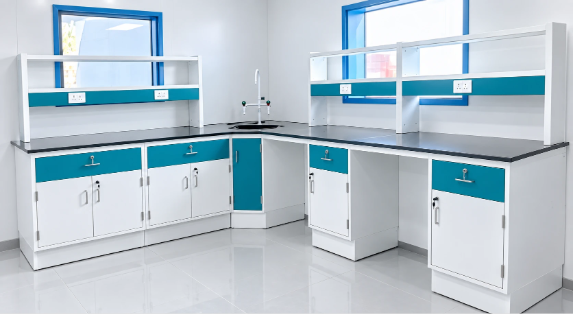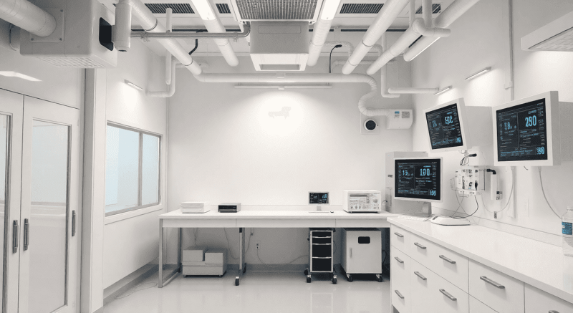
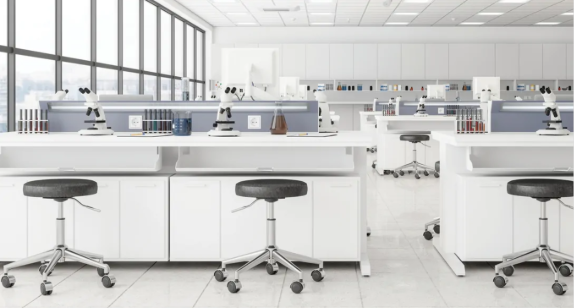
In modern scientific environments, ensuring safety is not just a regulatory requirement—it is a critical operational priority. Among the various elements that contribute to a secure laboratory infrastructure, Laboratory Benches play a central role. The right lab bench setup influences workflow efficiency, contamination control, ergonomics, and overall hazard prevention. Whether in pharmaceutical facilities, academic labs, chemical research centers, or industrial R&D units, properly designed and maintained laboratory workbenches dramatically reduce risks that could compromise personnel safety, research integrity, or operational efficiency.
This article explores how proper lab benches contribute to hazard mitigation and why selecting the right laboratory bench systems is essential for any safety-conscious organization.
1. The Critical Role of Laboratory Benches in Overall Lab Safety
Laboratory infrastructure forms the foundation of a safe and functional research environment, and among all structural components, Laboratory Benches hold one of the most influential positions in determining the degree of safety achieved. While many professionals associate laboratory safety primarily with PPE, ventilation systems, fume hoods, or chemical storage procedures, the laboratory bench is often underestimated, despite being the primary interface between the researcher and the experimental setup. Every chemical reaction, equipment operation, measurement, and sample preparation activity takes place on or around these surfaces. Therefore, the bench’s quality, durability, design, and resistance properties directly influence the level of risk present in daily operations.
A properly designed laboratory workbench supports safe handling of corrosive agents, biological samples, high-temperature tools, and precision instruments. It helps minimize workplace accidents such as spills, splashes, equipment slips, ergonomic strain, and surface contamination. Benches that meet scientific industry standards—such as SEFA guidelines or ISO laboratory classifications—are engineered with materials that do not degrade under chemical stress, ensuring that reactions do not occur unexpectedly between reagents and bench surfaces. Additionally, stable laboratory benches contribute to maintaining accuracy during sensitive procedures, particularly those requiring vibration-free conditions, such as microscopy, analytical chemistry, or pharmaceutical formulation testing.
Furthermore, standardization of laboratory bench design promotes consistent workflows and reduces unpredictable hazards. Having uniform bench depth, adequate lighting integration, defined storage zones, and compatible accessory installations (gas taps, sinks, power outlets) ensures operational clarity. When researchers know exactly where tools are positioned and how the workspace behaves under stress, the potential for accidents decreases substantially. In fast-paced laboratory environments, such predictability is not just useful—it is essential. Thus, the quality and functionality of Laboratory Benches should be regarded as a non-negotiable element of laboratory safety planning.
2. Chemical Resistance and Contamination Prevention Through Proper Bench Materials
Chemical hazards represent one of the most persistent and unpredictable risks in laboratory environments. Properly constructed Laboratory Benches are engineered using materials that offer advanced protection against corrosive agents, solvents, acids, alkalis, and organic compounds. Common laboratory bench materials—such as epoxy resin, phenolic resin, stainless steel, and high-pressure laminate—are chosen precisely because they do not absorb chemicals or degrade in response to aggressive substances. This single factor dramatically lowers the risk of chemical accidents, which often begin with unnoticed surface reactions or slow absorption processes that weaken materials over time.
For example, phenolic resin and epoxy resin benchtops provide non-porous, seamless surfaces that prevent chemical penetration. When spills occur, they remain on the surface rather than seeping underneath fixtures or into micro-cracks. This is essential because minor seepage can create long-term hazards such as unwanted chemical interactions, mold formation, or structural weakening. Stainless steel benches, frequently used in high-contamination-risk environments like microbiology and biotechnology labs, allow for easy sterilization, preventing microbial growth and supporting rigorous hygiene practices.
Contamination control is another major advantage of properly chosen laboratory workbenches. In research fields involving pharmaceuticals, biotechnology, or analytical chemistry, even microscopic contamination can compromise results, leading to inaccurate outcomes or failed experiments. High-quality laboratory benches reduce these risks by offering surfaces that are simple to disinfect, do not retain residues, and resist staining. The ease of cleaning also encourages routine hygiene practices among staff, further lowering exposure risks.
In addition, proper bench design incorporates backsplash guards, spill containment edges, and seamless joints, preventing chemicals from flowing onto the floor or adjacent workstations. By controlling exposure pathways and preventing cross-contamination, well-designed laboratory benches contribute substantially to creating a safer and more controlled research environment where chemical hazards are minimized and experimental integrity is preserved.
3. Fire and Heat Resistance: Preventing Thermal Hazards in Modern Laboratories
Thermal hazards—fires, burns, overheating equipment, and accidental ignition—pose severe risks in laboratories dealing with flammable chemicals, high-temperature processes, and open-flame devices. Proper Laboratory Benches significantly reduce these hazards through the use of fire-resistant materials and strategically engineered bench designs that can withstand intense heat without deforming, melting, or catching fire.
High-quality bench materials like epoxy resin, phenolic resin, ceramic tops, and stainless steel provide exceptional resistance to high temperatures. These materials allow laboratory staff to handle heated glassware, hot plates, autoclaves, and burners directly on the work surface without fear of damaging the bench or causing thermal reactions. Epoxy resin, for example, is widely used in chemistry labs because it can tolerate prolonged heat exposure and sudden temperature fluctuations without cracking. This resistance ensures that the bench surface does not become a secondary ignition source.
Fire-resistant laboratory benches also help prevent flame spread during accidental chemical fires. Unlike wooden or poorly coated surfaces, properly engineered benches do not support combustion. Even if a fire incident occurs, these surfaces delay its progression, providing valuable time for researchers to contain the situation or evacuate safely. This is especially critical in labs where volatile solvents or gases are in regular use.
Additionally, heat-resistant workbenches often include design elements such as integrated heat shields, distance spacing for burners, and options for installing overhead fume extraction systems. These features help direct heat upward and away from vulnerable materials, thereby reducing the risk of heat accumulation and unexpected ignition.
In laboratories where thermal processes are routine—chemical synthesis labs, metallurgy departments, research facilities using furnaces, or industrial quality control labs—fire-resistant benches are not merely beneficial; they are indispensable. Investing in proper laboratory benches ensures that heat exposure does not escalate into major accidents, protecting both personnel and infrastructure.
4. Spill Control and Surface Design Features That Prevent Accidents
Chemical spills are among the most common sources of laboratory accidents, often leading to contamination, chemical burns, equipment damage, and slip hazards. Proper Laboratory Benches are designed with advanced spill-control features that significantly reduce these risks. A well-engineered bench surface should not only resist chemical penetration but also support active spill management to ensure that hazardous liquids remain contained.
One of the most essential design elements is the presence of raised edges or spill-retention lips. These small but effective features prevent liquids from flowing off the surface during a spill, thereby reducing the area of contamination. Seamless benchtop construction also plays a major role, as joints, gaps, or seams can trap chemicals, leading to hidden risks and long-term surface degradation. Seamless surfaces ensure quick cleanup and visibility of spilled substances.
In addition, laboratory benches made of non-porous materials prevent absorption, which is critical for maintaining safety. Chemical absorption into porous materials can lead to unexpected reactions, long-term structural weakening, and persistent odors. Such hidden contamination increases hazard levels by exposing staff to chemicals long after the initial spill has been cleaned.
Water-resistant and chemical-resistant coatings further enhance spill management. These coatings allow liquid droplets to bead up instead of spreading, giving researchers more time to respond. Furthermore, spill-resistant laboratory workbenches often include integrated sink modules, drainage pathways, or sloped surfaces that direct liquids away from sensitive equipment.
Effective bench organization is another critical factor. Proper laboratory benches offer built-in shelving, reagent racks, and tool storage that help keep harmful materials away from the main working surface. A clutter-free bench dramatically reduces accidental knockovers—one of the leading causes of spills.
By integrating spill containment, non-porous surfaces, and easy-clean designs, proper laboratory benches help create safer work environments where accidents are minimized and response times are significantly improved.
5. Ergonomic Bench Design That Protects Staff from Physical and Operational Hazards
Ergonomics is often overlooked in laboratory risk assessments, yet it plays a central role in preventing physical injuries, repetitive strain disorders, and operational errors. Modern Laboratory Benches are designed with ergonomic principles to support comfortable, safe, and efficient working conditions for staff who spend long hours conducting experiments, analyzing samples, and operating equipment.
Non-ergonomic bench setups can lead to musculoskeletal disorders, chronic pain, fatigue, and reduced concentration. These conditions increase the likelihood of operational mistakes—such as spills, incorrect measurements, or mishandling of hazardous materials. Proper ergonomic laboratory benches mitigate these risks by offering features such as adjustable height workstations, adequate legroom, and options for seated or standing work. Height-adjustable benches are particularly beneficial in multi-user labs, ensuring that each researcher can work comfortably regardless of their physical stature.
Additionally, ergonomic benches incorporate optimal reach zones, ensuring that essential tools, reagents, and instruments are within safe and comfortable arm’s reach. This reduces stretching, bending, or twisting movements that can lead to accidents. The placement of sinks, gas taps, electrical outlets, and equipment mounting points also follows defined ergonomic principles to support logical workflow patterns.
Lighting also plays a significant role. Proper laboratory benches include integrated or compatible task lighting systems, which improve visibility and reduce eye strain. Better visibility translates to more accurate handling of small components, clearer reading of instrument displays, and reduced risk of handling the wrong chemicals or tools.
Vibration-resistant designs are essential in labs using analytical instruments such as microscopes, balances, or spectrometers. Stable, vibration-free laboratory workbenches maintain experimental integrity while preventing instrument drop hazards.
Overall, ergonomic bench design not only supports staff well-being but directly reduces operational hazards by promoting comfort, attentiveness, and precision—key elements in any safe laboratory environment.
6. Safe Equipment Integration and Infrastructure Support
Laboratories rely heavily on specialized equipment—from high-precision analytical instruments to heavy-duty mechanical tools. Proper Laboratory Benches are engineered to accommodate this equipment safely, ensuring stability, reliable performance, and reduced risk of accidents. When benches are not designed to handle heavy loads, electrical requirements, or vibration-sensitive devices, equipment failures and safety incidents become far more likely.
High-quality laboratory workbenches feature strong load-bearing capacities that support heavy items such as centrifuges, vacuum pumps, incubators, and gas chromatographs. Using a surface that is not rated for such weight can result in bench collapse or tipping, both of which create hazardous conditions. To prevent this, well-engineered benches are built with reinforced frames, durable materials, and strategically placed support structures.
Electrical and gas-supply safety is another critical function. Proper lab benches integrate sealed electrical outlets, gas taps, and cable management channels that keep power cords organized and away from spill zones. Poorly managed cables often cause tripping hazards, electrical shorts, or liquid exposure incidents. Integrated utility services ensure safe and efficient operation of equipment while complying with electrical safety standards.
Additionally, bench surfaces are built to withstand vibration and operational stress caused by equipment such as shakers, mixers, or orbital rotators. A vibration-free workbench ensures that delicate experiments yield accurate results while preventing equipment from shifting, falling, or malfunctioning.
Ventilation compatibility is equally important. Some laboratory benches are designed to be paired with fume hoods, biosafety cabinets, or laminar airflow systems. Proper alignment of these components ensures that toxic fumes, aerosols, or particulates are effectively removed from the workspace.
Through thoughtful integration of structural support, utility management, and equipment compatibility, proper laboratory benches help eliminate mechanical, electrical, and operational hazards—making them indispensable to any modern laboratory.
7. Workflow Organization and Hazard Reduction Through Bench Layout
Well-organized laboratory environments are inherently safer. Proper Laboratory Benches help reduce clutter, streamline workflows, and support structured task management—all of which contribute to minimizing accidents. In most labs, cluttered surfaces are a primary cause of spilled chemicals, broken glassware, misplaced hazardous materials, and accidental equipment damage. Effective bench design helps mitigate these risks by promoting order, clarity, and efficiency.
Modern laboratory workbenches feature built-in storage solutions, including reagent shelves, under-bench cabinets, vertical pegboards, and utility drawers. These components allow researchers to categorize tools, chemicals, and equipment properly, ensuring that hazardous substances are not mixed with non-hazardous supplies. When everything has a designated place, accidental mix-ups—such as using the wrong reagent or misplacing a corrosive substance—are significantly less likely.
Work zones are another fundamental feature of proper bench design. By dividing the bench surface into dedicated zones—sample preparation, instrumentation, chemical handling, and waste management—researchers minimize cross-contamination and help maintain a logical workflow. This zoning reduces unnecessary movement, prevents hazardous materials from entering inappropriate areas, and simplifies safety compliance.
Furthermore, proper bench layout supports clear traffic flow. In busy labs with multiple personnel working simultaneously, poorly positioned benches or narrow pathways can cause collisions, spills, or accidental exposure. Strategic placement of laboratory benches ensures adequate movement space, reduces crowding, and enables faster emergency response if needed.
Integration with labeling systems, safety signage, and color-coded storage also enhances safety. These features help researchers quickly identify chemicals, tools, and equipment, reducing the risk of incorrect handling. In high-pressure research environments where time is limited, such clarity can prevent critical errors.
In essence, organized laboratory benches eliminate confusion, reduce physical clutter, and encourage disciplined work habits—ultimately lowering hazard risks and improving operational reliability.
8. Compliance with Safety Standards and Facility Requirements
Modern laboratories operate under strict regulatory frameworks that govern everything from chemical handling to structural materials. Proper Laboratory Benches are designed to meet these safety standards, ensuring compliance with national and international guidelines. Adhering to these standards not only protects personnel but also shields organizations from legal liabilities, audit failures, and operational disruptions.
Reputable laboratory benches comply with standards set by organizations such as SEFA (Scientific Equipment and Furniture Association), OSHA (Occupational Safety and Health Administration), ISO (International Organization for Standardization), and local fire and chemical safety authorities. These standards dictate requirements for bench materials, load capacity, chemical resistance, fire resistance, ergonomic design, and structural integrity. Using benches that meet such benchmarks ensures that the laboratory infrastructure supports safe operations.
For example, SEFA-certified benches undergo rigorous testing for durability, heat tolerance, stain resistance, and mechanical stability. These tests validate that the bench can withstand the daily pressures of laboratory work without degrading. ISO standards emphasize cleanliness, contamination control, and environmental resistance, which are essential for biological, pharmaceutical, and analytical laboratories.
Compliance also ensures that benches support safe installation of utilities such as gas lines, water systems, and electrical infrastructure. Improper installation or poorly designed surfaces can result in leaks, electrical shorts, or chemical exposure incidents. Certified laboratory workbenches minimize these risks through standardized construction and verified quality controls.
Furthermore, compliance helps laboratories pass external inspections, accreditation audits, and safety evaluations. Labs that fail to meet infrastructure standards may face penalties, forced shutdowns, or reputational damage.
By investing in compliant laboratory benches, organizations ensure a robust, legally aligned, and safety-focused environment where risk is proactively managed rather than reactively addressed.
9. Durability, Longevity, and Reduced Failure Risks
Durability is a critical safety factor often overlooked in laboratory design. High-quality Laboratory Benches are engineered to maintain structural and functional integrity over extended periods of heavy use. When benches deteriorate, crack, warp, or become unstable, they create unsafe working conditions, increasing the likelihood of chemical exposure, equipment failure, and physical accidents.
Durable lab benches use materials like epoxy resin, stainless steel, and solid phenolic resin that withstand continuous exposure to heat, chemicals, mechanical stress, and frequent cleaning. These materials do not degrade easily, ensuring that the bench remains reliable even under rigorous laboratory workflows.
Structural durability is particularly important for benches supporting heavy equipment. Over time, inferior bench frames can weaken, causing sagging or collapse. This poses serious risks when heavy instruments such as centrifuges, incubators, or spectrometers are involved. Properly engineered benches include reinforced frames, corrosion-resistant coatings, and strong joint assemblies that prevent structural failure.
Longevity also reduces hidden hazards. Cracks, chips, or fissures in poorly made benches can trap chemicals, harbor bacteria, or cause unpredictable surface reactions. Long-lasting bench materials prevent these issues by providing smooth, stable surfaces throughout their lifespan.
From a financial perspective, durable laboratory workbenches reduce maintenance costs, minimize downtime, and eliminate the need for frequent replacements. This ensures consistent operational continuity—an important factor in pharmaceutical, clinical, or research environments where interruptions can compromise experimentation.
Ultimately, durability is directly linked to safety. A bench that remains structurally sound, chemically resistant, and thermally stable over years of usage ensures predictable, secure, and hazard-free laboratory operations.
Conclusion
Proper Laboratory Benches are fundamental to creating a safe, compliant, and efficient laboratory environment. Their role extends far beyond serving as work surfaces; they are critical components of the laboratory’s overall hazard-prevention system. Through chemical resistance, fire protection, spill containment, ergonomic design, equipment integration, workflow organization, and compliance with regulatory standards, high-quality laboratory benches significantly reduce risks that can compromise both human safety and research outcomes.
Every section of this analysis demonstrates that laboratory benches are not just passive infrastructure—they actively enhance safety at every stage of laboratory work. Whether handling hazardous chemicals, operating high-heat equipment, conducting sensitive experiments, or managing biological materials, the right bench provides stability, resistance, and protection. These features help prevent accidents that stem from human error, material degradation, or equipment instability.
Investment in proper laboratory workbenches is not an optional upgrade; it is a strategic priority for any modern lab. Durable, compliant, well-organized, and ergonomically designed benches contribute to long-term safety, operational efficiency, and accurate scientific output. As laboratories evolve with new technologies and advanced research demands, the need for reliable, safety-focused benches becomes even more critical.
In a world where laboratory hazards are diverse and constantly changing, choosing the right laboratory benches is one of the most effective ways to ensure that staff remain safe, materials are handled properly, and research remains uncompromised. A laboratory’s safety culture begins with its physical environment—and at the center of that environment stands the laboratory bench.