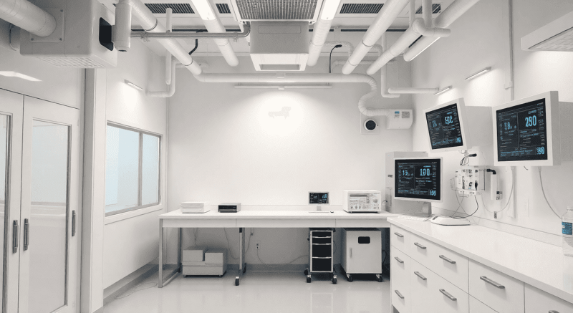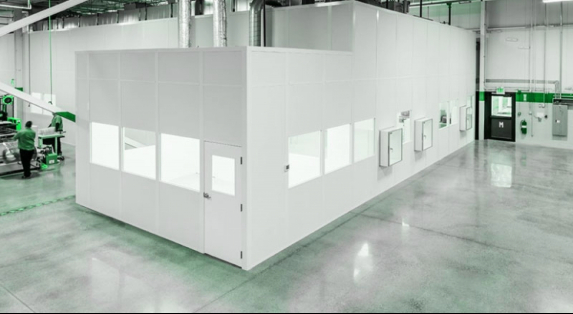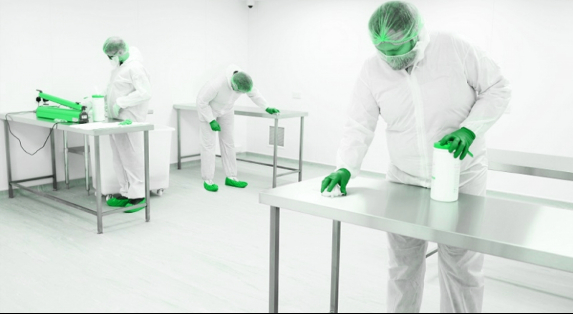

The modern laboratory is no longer just a static workspace filled with benches and cabinets. Today, laboratories are evolving into intelligent, automated environments where AI and robotics are redefining how Laboratory Furniture & Solutions are designed, used, and optimized. From smart workstations to robot-compatible layouts, the fusion of technology with lab infrastructure is transforming efficiency, safety, and scalability like never before.
As research demands grow more complex and data-driven, laboratories must adapt—and furniture plays a far bigger role than many realize.
The Evolution of Laboratory Furniture in the Age of AI and Robotics
Laboratories today are undergoing a fundamental transformation driven by artificial intelligence and robotics. What was once a static environment defined by fixed benches and storage units has become a dynamic, technology-enabled workspace. This evolution has significantly influenced how Laboratory Furniture & Solutions are conceptualized, designed, and implemented. Furniture is no longer just a physical support system; it is now an active component of the laboratory ecosystem.
AI-driven research demands precision, adaptability, and efficiency. As automation increases, laboratory furniture must support complex workflows, accommodate robotic systems, and integrate seamlessly with digital platforms. This has led to a shift from traditional furniture designs toward intelligent, modular, and data-enabled solutions. Modern laboratory furniture solutions are engineered to respond to changing research requirements while maintaining safety, compliance, and ergonomics.
Another critical factor driving this evolution is space optimization. AI-powered labs generate high volumes of data and require advanced instruments, often within limited footprints. Smart furniture layouts help maximize usable space while ensuring smooth interaction between human researchers and robotic systems. Adjustable benches, modular storage, and mobile units are now standard features in forward-thinking labs.
Manufacturers such as Ziebaq are responding to this shift by developing next-generation Laboratory Furniture & Solutions that align with automation trends. Their designs emphasize flexibility, durability, and compatibility with advanced lab technologies. As AI and robotics continue to shape scientific research, laboratory furniture is evolving from a passive infrastructure into a strategic asset that directly influences productivity, safety, and innovation.
AI-Powered Smart Workstations and Intelligent Lab Furniture
One of the most impactful changes in Laboratory Furniture & Solutions is the emergence of AI-powered smart workstations. These intelligent setups are designed to enhance researcher efficiency while minimizing physical strain and operational errors. Unlike conventional lab benches, smart workstations actively adapt to users and workflows through embedded sensors and AI algorithms.
AI-enabled laboratory furniture can automatically adjust bench height, lighting, and monitor positioning based on user behavior and ergonomic data. Over time, the system learns usage patterns and optimizes workstation configurations to reduce fatigue and improve accuracy. This is particularly valuable in laboratories where researchers spend long hours performing repetitive or precision-based tasks.
Another advantage of smart lab furniture is real-time performance monitoring. AI can track how frequently a workstation is used, identify bottlenecks, and highlight underutilized areas. These insights help lab managers make informed decisions about space planning and equipment allocation. Predictive maintenance is another key benefit—AI detects early signs of wear and alerts teams before failures occur.
Modern laboratory furniture solutions also integrate environmental monitoring. Sensors embedded within furniture surfaces can track temperature, humidity, and vibration, ensuring optimal conditions for sensitive experiments. This level of intelligence transforms furniture into a proactive system that supports both research integrity and compliance.
Ziebaq incorporates these intelligent principles into its Laboratory Furniture & Solutions, offering smart, ergonomic, and automation-ready workstations. By blending AI with thoughtful design, such solutions help laboratories achieve higher productivity while prioritizing researcher well-being and operational excellence.
Robotics Integration and the Redesign of Laboratory Furniture Layouts
The increasing use of robotics in laboratories has significantly reshaped furniture design and spatial planning. Automated systems now handle tasks such as sample preparation, liquid handling, and repetitive testing, requiring Laboratory Furniture & Solutions that can support robotic precision and movement.
Robotics-friendly lab furniture is designed with open-access configurations, precise alignment, and unobstructed pathways. Traditional fixed benches often limit robotic efficiency, whereas modern modular systems allow seamless integration of robotic arms and automated instruments. Surfaces must be stable, vibration-resistant, and precisely leveled to ensure accurate robotic operations.
Another major consideration is collaboration between humans and robots. Furniture layouts must ensure safety while enabling efficient interaction. This includes clearly defined work zones, adjustable heights for robotic interfaces, and integrated safety features such as collision sensors and emergency shut-offs. Well-designed laboratory furniture solutions help prevent workflow disruptions while maintaining compliance with safety standards.
Power and data integration also play a critical role. Robotic systems require continuous connectivity, and modern lab furniture incorporates built-in cable management, power outlets, and data ports. This reduces clutter, improves safety, and ensures uninterrupted automation.
Ziebaq addresses these challenges by offering Laboratory Furniture & Solutions that are engineered for robotic compatibility. Their designs support automation without sacrificing flexibility or human usability. As robotics adoption grows, laboratory furniture will continue to evolve as a foundational element enabling efficient, safe, and scalable automated research environments.
Modular and Reconfigurable Furniture for AI-Driven Laboratories
Flexibility is a defining requirement of AI-driven laboratories, and modular furniture has become a cornerstone of modern Laboratory Furniture & Solutions. Research priorities change rapidly, new technologies emerge, and laboratories must adapt without costly renovations or downtime. Modular furniture provides the agility needed to keep pace with innovation.
Reconfigurable lab furniture allows benches, storage units, and workstations to be rearranged or expanded with minimal disruption. This is particularly important in AI-enabled labs where workflows evolve as algorithms improve and datasets grow. Modular systems support quick integration of new equipment, robotic platforms, and analytical tools.
Another advantage of modular laboratory furniture is scalability. As research teams expand, furniture can be easily adjusted to accommodate additional personnel or automation systems. This reduces long-term costs and extends the lifecycle of lab infrastructure. Modular designs also simplify relocation or repurposing of labs, making them ideal for institutions with evolving research mandates.
From an operational standpoint, modular laboratory furniture solutions enhance efficiency by minimizing downtime during upgrades. Instead of dismantling entire setups, individual components can be replaced or reconfigured. This approach aligns perfectly with the iterative nature of AI-driven research.
Ziebaq emphasizes modularity in its Laboratory Furniture & Solutions, offering adaptable systems that support both current and future lab needs. By investing in reconfigurable furniture, laboratories can remain agile, cost-effective, and technologically relevant in an increasingly automated research landscape.
AI-Enhanced Safety, Compliance, and Risk Management Through Furniture
Safety remains a top priority in laboratories, especially as AI and robotics introduce new operational complexities. Modern Laboratory Furniture & Solutions now play a critical role in enhancing safety and ensuring regulatory compliance through intelligent design and AI integration.
AI-enabled lab furniture can monitor environmental conditions and detect anomalies in real time. Sensors embedded in storage units can track temperature and humidity for chemical safety, while AI algorithms analyze data to prevent hazardous situations. In the event of irregularities, systems can trigger alerts or automatically shut down affected zones.
Furniture design also contributes to ergonomic safety. AI-driven posture monitoring helps reduce repetitive strain injuries by prompting users to adjust their working positions. Adjustable benches and seating further enhance comfort and long-term health outcomes. This human-centric approach is essential in labs where automation and manual work coexist.
Compliance with international standards such as ISO, GLP, and OSHA is another critical consideration. Smart laboratory furniture solutions generate data logs that support audits and documentation requirements. Automated monitoring reduces the risk of human error and strengthens compliance frameworks.
Ziebaq integrates safety and compliance into its Laboratory Furniture & Solutions, combining robust materials with intelligent features. By embedding AI into furniture design, laboratories gain an additional layer of risk management that protects personnel, equipment, and research integrity.
The Future of Laboratory Furniture & Solutions: Ziebaq’s Vision
The future of laboratories lies in intelligent, connected, and adaptive environments, and Laboratory Furniture & Solutions will be at the center of this transformation. As AI and robotics continue to advance, furniture will evolve from a static asset into an active participant in research ecosystems.
Future lab furniture will be deeply integrated with digital platforms such as LIMS, building management systems, and energy monitoring tools. AI will analyze data from furniture usage to optimize layouts, reduce energy consumption, and improve workflow efficiency. Predictive insights will guide procurement, maintenance, and space planning decisions.
Human-centric design will remain essential despite increasing automation. The most successful laboratories will balance robotic efficiency with ergonomic comfort, ensuring researchers remain productive and engaged. Flexible, modular, and intelligent furniture will support this balance.
Ziebaq’s vision for Laboratory Furniture & Solutions aligns with this future-focused approach. By prioritizing innovation, customization, and automation readiness, Ziebaq helps laboratories transition smoothly into next-generation research environments. Their solutions are designed not just for today’s needs, but for the evolving demands of tomorrow.
Data-Driven Laboratory Furniture and Smart Lab Ecosystems
As laboratories become increasingly digital, data has emerged as a critical asset—and Laboratory Furniture & Solutions are now part of that data ecosystem. Modern lab furniture is no longer isolated from information systems; instead, it actively contributes to a connected, intelligent laboratory environment. AI-powered furniture collects, analyzes, and transmits data that helps labs operate more efficiently and make informed decisions.
Smart laboratory furniture can track usage patterns, energy consumption, and space utilization in real time. For example, AI can analyze which benches or storage units are underused and recommend layout changes to improve efficiency. This data-driven approach helps laboratories optimize floor space, reduce operational waste, and improve workflow design without guesswork.
Integration with Laboratory Information Management Systems (LIMS) and Building Management Systems (BMS) further enhances the value of intelligent furniture. Environmental data collected from furniture-mounted sensors—such as temperature, humidity, or vibration—can be synchronized with experimental data to ensure accuracy and reproducibility. This is particularly critical in high-precision research environments where even minor fluctuations can affect outcomes.
Energy efficiency is another key advantage. AI-enabled laboratory furniture solutions can monitor power usage at individual workstations and instruments, identifying opportunities to reduce energy consumption. Over time, this contributes to both cost savings and sustainability goals.
Ziebaq recognizes the importance of connectivity in modern labs and designs Laboratory Furniture & Solutions that support smart lab ecosystems. By enabling seamless data flow between furniture, equipment, and digital systems, Ziebaq helps laboratories build intelligent infrastructures that support advanced research, operational transparency, and long-term scalability.
Sustainability and Energy Efficiency in AI-Enabled Lab Furniture
Sustainability has become a major priority for modern laboratories, and AI is playing a crucial role in reshaping Laboratory Furniture & Solutions to meet environmental goals. Traditional lab furniture often focused solely on durability, but today’s solutions must also minimize energy usage, reduce material waste, and support sustainable operations.
AI-enhanced lab furniture contributes to sustainability by optimizing resource consumption. Smart workstations can automatically adjust lighting, power supply, and ventilation based on occupancy and usage patterns. This reduces unnecessary energy consumption, particularly in large laboratories with multiple work zones. Over time, AI-driven optimization leads to measurable reductions in operating costs and carbon footprint.
Material selection is another important factor. Modern laboratory furniture solutions increasingly use recyclable, low-emission, and long-life materials. AI tools assist manufacturers in selecting materials that balance durability with environmental impact. Predictive maintenance further extends furniture lifespan by identifying issues early and preventing premature replacement.
Waste reduction is also supported through modular and reconfigurable designs. Instead of discarding entire furniture systems, individual components can be replaced or upgraded. This approach aligns with circular economy principles and reduces landfill waste.
Ziebaq integrates sustainability into its Laboratory Furniture & Solutions by combining intelligent design with responsible material choices. By focusing on energy efficiency, modularity, and long-term usability, Ziebaq helps laboratories achieve their sustainability objectives without compromising performance or safety.
Human–Machine Collaboration and Ergonomic Furniture Design
While AI and robotics are transforming laboratories, human researchers remain central to scientific discovery. Successful Laboratory Furniture & Solutions must therefore support effective collaboration between humans and machines. Ergonomic design plays a vital role in ensuring that automation enhances, rather than hinders, human productivity.
AI-driven ergonomic furniture adapts to individual users by analyzing posture, movement, and task duration. Adjustable benches, seating, and monitor mounts automatically align with optimal ergonomic standards. This reduces physical strain, minimizes fatigue, and lowers the risk of long-term musculoskeletal injuries—especially in labs with extended working hours.
Human–machine collaboration also requires intuitive interfaces. Lab furniture designed for robotic integration includes clearly defined interaction zones, easy-access control panels, and visual indicators that guide users during automated processes. This clarity improves safety and reduces the learning curve associated with advanced lab technologies.
Modern laboratory furniture solutions also account for cognitive ergonomics. AI can identify workflow inefficiencies and suggest layout adjustments that reduce unnecessary movement and mental overload. By simplifying task sequences, furniture design directly contributes to improved accuracy and job satisfaction.
Ziebaq prioritizes human-centric design in its Laboratory Furniture & Solutions, ensuring that automation complements human expertise. By blending ergonomic intelligence with robotic compatibility, Ziebaq creates laboratory environments where researchers and machines work together seamlessly and safely.
Challenges in Adopting AI-Driven Laboratory Furniture Solutions
Despite the benefits, adopting AI-enabled Laboratory Furniture & Solutions presents certain challenges that laboratories must address strategically. Understanding these challenges is essential for successful implementation and long-term value.
One major concern is upfront investment. Intelligent furniture systems often involve higher initial costs due to embedded sensors, automation compatibility, and data integration. However, when evaluated over the full lifecycle, these costs are frequently offset by improved efficiency, reduced downtime, and lower maintenance expenses.
Another challenge is integration with existing infrastructure. Many laboratories operate in legacy spaces not originally designed for automation. Retrofitting such environments requires careful planning to ensure compatibility between old systems and modern laboratory furniture solutions. Modular designs can significantly ease this transition.
Data security and system reliability are also important considerations. AI-enabled furniture generates operational data that must be protected against unauthorized access. Robust cybersecurity protocols and reliable system architecture are critical to maintaining trust and compliance.
Ziebaq addresses these challenges by offering Laboratory Furniture & Solutions that are scalable, modular, and designed for smooth integration. Their approach helps laboratories adopt AI-driven furniture gradually, minimizing disruption while maximizing long-term benefits.
Conclusion: Redefining Laboratory Furniture & Solutions for the Future
AI and robotics are fundamentally redefining how laboratories function, and Laboratory Furniture & Solutions are at the heart of this transformation. Furniture is no longer a static backdrop—it is an intelligent, connected, and adaptive system that directly supports research outcomes.
From smart workstations and robotic integration to sustainability, safety, and human-centric design, modern lab furniture enables laboratories to operate more efficiently and responsibly. Data-driven insights, modular flexibility, and ergonomic intelligence ensure that labs remain agile in a rapidly evolving scientific landscape.
Ziebaq’s commitment to innovation positions its Laboratory Furniture & Solutions as a foundation for future-ready laboratories. By aligning furniture design with AI, robotics, and digital ecosystems, Ziebaq helps organizations build environments that foster productivity, safety, and long-term growth.
As laboratories continue to advance, investing in intelligent furniture is no longer optional—it is a strategic necessity.