Introduction
In the realm of scientific research, electronics testing, biotechnology, and precision manufacturing, Electrostatic Discharge (ESD) poses a silent but serious threat. A single spark of static electricity—often imperceptible to humans—can damage sensitive electronic components, corrupt experiments, or even pose safety hazards. To combat this, laboratories across the globe are increasingly turning to Laboratory ESD Furniture as a critical component of their facility infrastructure.
But not all ESD furniture is created equal.
Choosing the right ESD furniture for your lab isn’t just about selecting tables with grounding straps. It involves understanding the science behind static control, the functional requirements of your workspace, safety standards, compliance factors, material construction, durability, and even ergonomics.
This comprehensive guide will walk you through everything you need to know when investing in quality Laboratory ESD Furniture—from technical specifications to practical tips—so you can create a safer, more efficient, and compliant workspace.
1: Understanding ESD and Its Impact on Laboratory Environments
What Is Electrostatic Discharge (ESD)?
ESD is the sudden flow of electricity between two electrically charged objects caused by contact or a dielectric breakdown. In laboratory environments—especially those involving electronics, semiconductors, or volatile substances—this tiny spark can have massive consequences.
The Risks of Uncontrolled ESD:
- Damage to sensitive electronic components
- Data loss or corruption
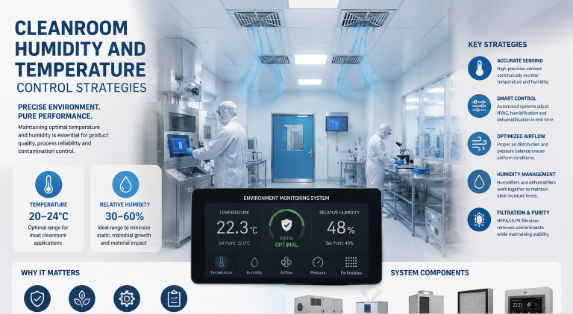
- Contamination in cleanrooms
- Ignition in volatile environments
- Equipment malfunctions
- Increased maintenance costs
Why Laboratory ESD Furniture Matters
ESD-safe furniture provides an essential layer of protection by dissipating static charges through grounded surfaces. By integrating Laboratory ESD Furniture, you’re building static control into the very infrastructure of your lab.
2: Types of Laboratory ESD Furniture
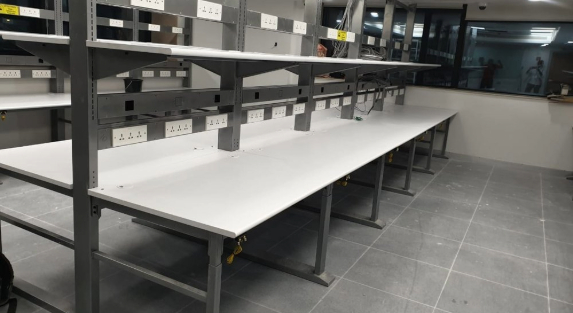
1. ESD Workbenches
Equipped with grounded mats, conductive laminates, and wrist strap ports, these benches are the centerpiece of any ESD-safe workspace.
2. ESD Chairs
These chairs are made with conductive casters, fabric, and frames that prevent the build-up of static energy.
3. ESD Shelving and Racks
Used for storage of sensitive components, these systems ensure static charges do not build up in storage zones.
4. ESD Trolleys and Carts
Allow safe transport of materials within the lab, maintaining ESD-safe pathways.
5. ESD Flooring Integration
Though not furniture per se, flooring works in harmony with furniture to complete the ESD safety system.
3: Key Features to Look for in Quality Laboratory ESD Furniture
1. Certified ESD Compliance
Your first filter should always be compliance with global ESD standards such as:
- ANSI/ESD S20.20
- IEC 61340-5-1
- ISO 14644 (for cleanroom use)
Ensure that each piece of furniture comes with proper documentation and testing certifications.
2. Surface Material Conductivity
The work surface must be:
- Static-dissipative or conductive
- Resistant to solvents and chemicals
- Easy to clean and maintain
Look for surfaces like ESD laminate, stainless steel, or conductive rubber mats. Avoid wood, glass, or standard plastic unless they are specially treated.
3. Grounding Systems
Proper grounding is the backbone of ESD furniture. Look for:
- Built-in grounding lugs or ports
- Common grounding point connections
- Detachable wrist strap jacks
- Visible grounding pathways
Make sure the furniture integrates well with your lab’s ESD grounding grid.
4. Modular Design and Customizability
Every lab is different. Modular ESD furniture allows you to:
- Adjust workbench height and configuration
- Add or remove shelves, drawers, and lighting
- Integrate equipment like monitors, power strips, or fume extractors
This ensures your ESD furniture grows with your lab’s evolving needs.
5. Ergonomics
Quality Laboratory ESD Furniture should enhance user comfort and productivity. Look for:
- Adjustable height workbenches
- Ergonomically designed chairs with lumbar support
- Anti-fatigue mat compatibility
Comfort is crucial in high-focus environments like electronics testing or pharmaceutical research.
4: Materials and Build Quality
What Materials Make Great ESD Furniture?
- Powder-coated steel frames: Rust-resistant, durable, and conductive
- High-pressure laminate surfaces: Resistant to scratches, heat, and chemicals
- Static-dissipative polyurethane for chairs: Tough and reliable
- Conductive rubber wheels for carts and chairs: Reduce rolling resistance and prevent charge build-up
Construction Quality Checklist:
- Welded steel joints, not bolted-only frames
- Reinforced stress points
- Anti-slip feet and secure mounting brackets
- Pre-drilled grounding points
5: Integration with Cleanroom Environments
Considerations for Cleanroom ESD Furniture
When selecting ESD furniture for cleanrooms, ensure it is:
- Non-particulating
- Easy to sanitize
- Compliant with ISO cleanroom standards
- Free from VOC-emitting materials
Materials like stainless steel and high-grade plastics are preferred for their non-shedding properties.
6: Maintenance and Longevity
Maintenance Tips:
- Regularly test surface resistance with an ESD meter
- Clean surfaces with ESD-safe cleaners
- Check grounding connections monthly
- Replace wrist straps and cords periodically
Expected Lifespan:
- High-quality ESD benches: 10–15 years
- Chairs: 5–10 years with proper care
- Trolleys/Shelving: 8–12 years
Invest in furniture with manufacturer warranties and readily available replacement parts.
7: Budgeting and Cost vs. Value
What Affects the Price?
- Material type and thickness
- Brand reputation
- Certification and compliance
- Customization level
- Ergonomic features
Cost Range Overview:
- ESD Workbenches: $800 – $5000+
- ESD Chairs: $200 – $800
- ESD Shelving: $300 – $2000
Value Consideration:
Cheaper options often cut corners on durability and compliance. Consider the Total Cost of Ownership (TCO) including maintenance, lifespan, and potential risks from poor performance.
8: Vendor Selection and Manufacturer Trustworthiness
How to Choose a Reliable Vendor:
- Proven track record in ESD-controlled environments
- Offers on-site consultation and custom layouts
- Provides test reports and certificates
- Offers after-sales service and support
- Verified compliance with ISO/ANSI/IEC standards
Ask for client references and view real-world installations when possible.
9: Future Trends in Laboratory ESD Furniture
1. Smart ESD Furniture
- Built-in ESD monitoring systems
- IoT-enabled grounding alarms
- Real-time surface resistance alerts
2. Sustainable Materials
- Use of eco-friendly ESD laminates
- Recycled aluminum and steel structures
3. Hybrid Workstations
ESD furniture that doubles as mobile units or adapts between cleanroom and non-cleanroom settings.
Staying ahead of the curve means investing in ESD solutions that are future-proof, customizable, and adaptable.
Conclusion
In an environment where a single static discharge can cost thousands in damage or derail critical research, investing in quality Laboratory ESD Furniture is not a luxury—it’s a necessity.
From compliance and materials to design and ergonomics, every aspect of ESD furniture contributes to the overall safety, efficiency, and productivity of your lab. Prioritize verified standards, modular construction, user comfort, and trusted vendors when selecting your pieces.
The right investment today will not only protect your people and equipment but will also enhance the longevity and integrity of your scientific or industrial operations.