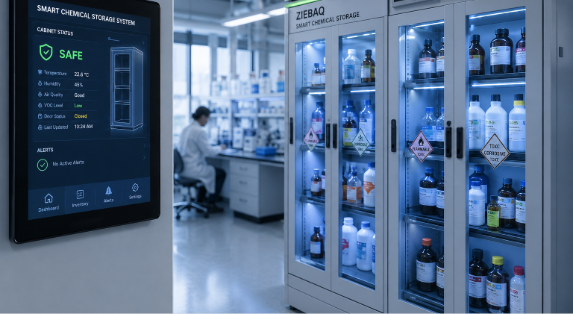
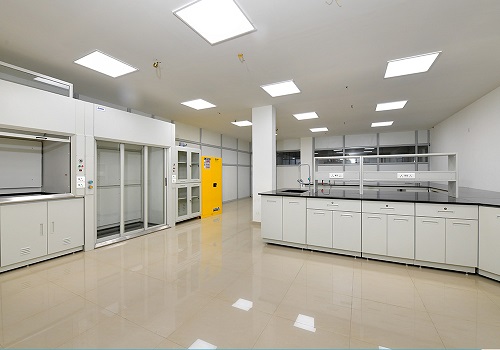
Modular lab furniture refers to laboratory furniture that is designed in a modular form, with individual units that can be easily assembled, disassembled, and reconfigured to meet the changing needs of a laboratory. This type of furniture is typically made of durable and chemical-resistant materials, such as stainless steel, phenolic resin, or high-density polyethylene.
Modular lab furniture can include workbenches, cabinets, fume hoods, shelving units, and other storage solutions. These units can be configured to create a customized laboratory workspace that meets the specific needs of the lab. For example, a lab might need a workbench with a sink and storage space for equipment, or a fume hood that can be moved to different locations in the lab.
Modular lab furniture is often preferred over traditional fixed lab furniture because it allows for greater flexibility and adaptability in the laboratory. This means that labs can easily reconfigure their workspace as their research needs change, without the need for major renovations or costly equipment purchases. Additionally, modular lab furniture is often easier to install and maintain than traditional lab furniture, making it a popular choice for many types of laboratories.
Types of Modular Lab Furniture
There are many types of modular lab furniture available, each designed to meet the specific needs of different laboratory settings. Some common types of modular lab furniture include:
- Modular Workbenches: These are flexible workstations that can be customized to meet the needs of different lab activities, such as chemical analysis, microscopy, or electronics testing. They often feature adjustable shelves, drawers, and cabinets for equipment storage.
- Laboratory Cabinets: These are storage units that are designed to keep laboratory supplies and equipment organized and easily accessible. They are available in a range of sizes and configurations to suit different laboratory requirements.
- Fume Hoods: These are enclosed workspaces designed to remove harmful fumes and gases from the lab environment. They are available in a range of sizes and designs to suit different laboratory settings, and can be mounted on wheels for easy movement.
- Laboratory Shelving: This is a type of modular storage solution designed to keep laboratory equipment and supplies organized and easily accessible. It can be configured to fit different laboratory settings, with adjustable shelves and dividers.
- Laboratory Seating: These are chairs and stools designed for use in laboratory settings. They are often made of durable materials, such as polyurethane, and can be adjusted to fit the needs of individual users.
Overall, the types of modular lab furniture available will depend on the specific needs of the laboratory, with many different configurations and options available to create a customized workspace.
Benefits of Modular Lab Furniture
Modular lab furniture offers several benefits for laboratory settings, including:
- Flexibility: Modular lab furniture can be easily reconfigured to meet the changing needs of a laboratory. This means that labs can adapt their workspace as their research needs evolve, without the need for major renovations or costly equipment purchases.
- Cost-effective: Modular lab furniture can be more cost-effective than traditional fixed lab furniture, as it allows for easy reconfiguration without the need for extensive installation or renovation costs.
- Space-efficient: Modular lab furniture is often designed to maximize space efficiency, with compact designs and customizable storage solutions that can fit a wide range of laboratory settings.
- Durability: Modular lab furniture is often made of durable and chemical-resistant materials, such as stainless steel, phenolic resin, or high-density polyethylene, making it ideal for use in laboratory environments.
- Easy maintenance: Modular lab furniture is often designed for easy maintenance and cleaning, with smooth surfaces and removable parts that can be easily replaced or cleaned.
- Compliance: Modular lab furniture is often designed to meet relevant safety and regulatory requirements, ensuring that laboratories are compliant with relevant guidelines and regulations.
Influence of Ergonomics on Modular Lab Furniture:
Ergonomics plays a significant role in the design of modular lab furniture, as it involves creating a comfortable and safe working environment for laboratory personnel. Ergonomic design focuses on reducing the risk of injury or discomfort by adjusting the design of the furniture to fit the needs of the user, promoting good posture, and reducing physical strain on the body.
Modular lab furniture designed with ergonomics in mind can offer several benefits, including:
- Reduced risk of injury: Ergonomic design can help reduce the risk of musculoskeletal disorders, such as back pain, by promoting proper posture and reducing physical strain on the body.
- Increased productivity: Ergonomically designed furniture can help increase productivity by reducing physical discomfort and fatigue, allowing laboratory personnel to work more comfortably and efficiently.
- Improved comfort: Ergonomic design can help improve overall comfort for laboratory personnel by reducing discomfort and promoting good posture.
- Better quality of work: Ergonomic design can help improve the quality of work by reducing physical strain and discomfort, allowing laboratory personnel to focus more effectively on their work.
- Compliance with regulations: Ergonomics is an important consideration in ensuring compliance with relevant safety and regulatory requirements, promoting a safe and healthy working environment for laboratory personnel.
Some examples of ergonomic features in modular lab furniture include adjustable height workbenches, chairs and stools with adjustable seat height and backrest, and workstations designed to minimize bending and reaching.
In conclusion, incorporating ergonomic design principles into the design of modular lab furniture can provide several benefits for laboratory personnel, including reduced risk of injury, increased productivity, improved comfort, better quality of work, and compliance with regulations.