Introduction
In today’s fast-paced scientific and technological landscape, laboratories are at the forefront of innovation. Whether you’re conducting cutting-edge research, developing new products, or performing quality control, the efficiency and safety of your lab environment are critical to success. One often overlooked but essential aspect of lab optimization is the integration of Electrostatic Discharge (ESD) innovations, particularly Laboratory ESD Furniture. This article explores how ESD innovations, especially ESD furniture, can transform your lab into a safer, more efficient, and highly productive workspace.
1. Understanding Electrostatic Discharge (ESD) in Laboratories
1.1. What is ESD?
Electrostatic Discharge (ESD) is the sudden flow of electricity between two electrically charged objects. This phenomenon can occur when there is a buildup of static electricity, often due to friction, and it can cause significant damage to sensitive electronic components, lab equipment, and even compromise experimental results.
1.2. Why ESD is a Concern in Laboratories
Laboratories often handle sensitive equipment, electronic devices, and materials that are highly susceptible to ESD. A single electrostatic discharge can:
Damage or destroy electronic components.
Alter experimental results.
Pose safety risks to lab personnel.
Increase operational costs due to equipment repairs or replacements.
1.3. The Role of ESD Innovations in Lab Optimization
ESD innovations, including Laboratory ESD Furniture, are designed to mitigate the risks associated with electrostatic discharge. By incorporating these solutions, labs can enhance safety, improve efficiency, and protect valuable equipment and data.
2. The Importance of Laboratory ESD Furniture
2.1. What is Laboratory ESD Furniture?
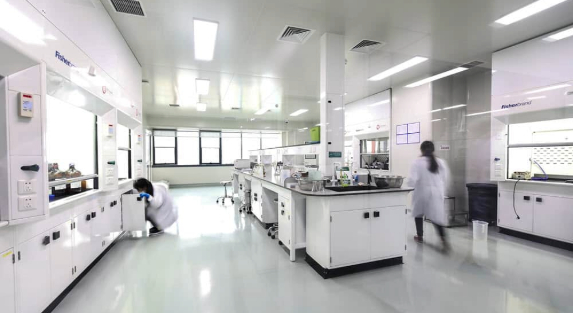
Laboratory ESD Furniture refers to specialized workstations, chairs, storage units, and other furniture designed to dissipate static electricity. These pieces are typically made from materials that conduct electricity, such as conductive metals or ESD-safe laminates, and are grounded to prevent static buildup.
2.2. Key Features of Laboratory ESD Furniture
Conductive Materials: ESD furniture is constructed from materials that allow static electricity to flow safely to the ground.
Grounding Mechanisms: Built-in grounding points ensure that any static charge is dissipated effectively.
Durability: Designed to withstand the rigors of a lab environment, ESD furniture is both sturdy and long-lasting.
Ergonomics: Many ESD furniture options are designed with ergonomic features to enhance comfort and productivity.
2.3. Benefits of Laboratory ESD Furniture
Protects Sensitive Equipment: Prevents damage to electronic devices and lab instruments.
Enhances Safety: Reduces the risk of ESD-related accidents and injuries.
Improves Efficiency: Minimizes downtime caused by equipment failures or experimental errors.
Complies with Industry Standards: Meets ESD safety regulations and guidelines.
3. Types of Laboratory ESD Furniture
3.1. ESD Workbenches
ESD workbenches are the cornerstone of any ESD-safe lab. They provide a grounded surface for working with sensitive equipment and materials.
3.1.1. Features of ESD Workbenches
Conductive tabletop surfaces.
Built-in grounding points.
Modular designs for customization.
Optional accessories such as shelving, lighting, and power outlets.
3.1.2. Applications
Electronics assembly and repair.
Pharmaceutical research.
Quality control testing.
3.2. ESD Chairs
ESD chairs are designed to prevent static buildup from lab personnel. They are essential for maintaining an ESD-safe environment, especially in areas where employees sit for extended periods.
3.2.1. Features of ESD Chairs
Conductive casters and frames.
Adjustable height and ergonomic designs.
Durable, easy-to-clean materials.
3.2.2. Applications
Laboratories with long working hours.
Cleanrooms and controlled environments.
3.3. ESD Storage Units
ESD storage units, such as cabinets and shelves, are used to store sensitive equipment and materials safely.
3.3.1. Features of ESD Storage Units
Conductive shelving and surfaces.
Lockable doors for added security.
Adjustable shelves for flexibility.
3.3.2. Applications
Storing electronic components.
Organizing lab supplies and tools.
3.4. ESD Flooring and Mats
While not furniture per se, ESD flooring and mats complement ESD furniture by providing a grounded surface for the entire lab.
3.4.1. Features of ESD Flooring and Mats
Conductive or dissipative materials.
Easy to clean and maintain.
Available in various sizes and configurations.
3.4.2. Applications
Labs with high foot traffic.
Areas where ESD-sensitive equipment is used.
4. How to Choose the Right Laboratory ESD Furniture
4.1. Assess Your Lab’s Needs
Before investing in Laboratory ESD Furniture, evaluate your lab’s specific requirements. Consider factors such as:
The type of work being conducted.
The sensitivity of the equipment and materials used.
The size and layout of the lab.
4.2. Prioritize Quality and Durability
High-quality ESD furniture is an investment that pays off in the long run. Look for products made from durable materials and backed by reputable manufacturers.
4.3. Ensure Compliance with ESD Standards
Choose furniture that complies with industry standards, such as ANSI/ESD S20.20 or IEC 61340. Compliance ensures that the furniture meets rigorous safety and performance criteria.
4.4. Consider Ergonomics and Comfort
Ergonomic designs enhance productivity and reduce the risk of workplace injuries. Look for adjustable features, such as height-adjustable workbenches and chairs with lumbar support.
4.5. Plan for Future Expansion
Modular ESD furniture allows for easy reconfiguration and expansion as your lab’s needs evolve. Consider furniture that can be adapted to accommodate new equipment or workflows.
5. Integrating ESD Innovations into Your Lab
5.1. Conduct an ESD Risk Assessment
Identify areas in your lab where ESD poses the greatest risk. Focus on workspaces where sensitive equipment is used or where static buildup is likely to occur.
5.2. Create an ESD-Safe Zone
Designate specific areas of your lab as ESD-safe zones. Equip these areas with Laboratory ESD Furniture, flooring, and other ESD control measures.
5.3. Train Your Staff
Educate lab personnel on the importance of ESD safety and how to use ESD furniture and equipment properly. Regular training ensures that everyone follows best practices.
5.4. Implement ESD Control Measures
In addition to ESD furniture, consider other ESD control measures, such as:
Wrist straps and heel straps.
Ionizers to neutralize static charges.
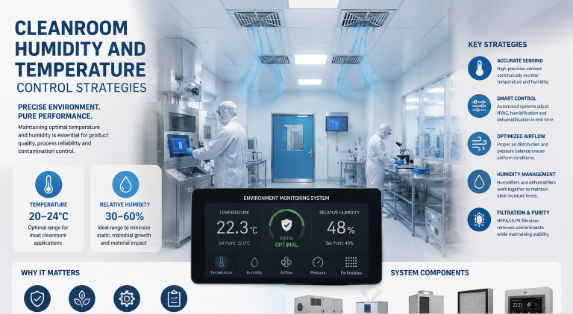
Humidity control to reduce static buildup.
5.5. Monitor and Maintain ESD Systems
Regularly inspect and maintain your ESD furniture and equipment to ensure they remain effective. Replace worn or damaged items promptly.
6. Case Studies: Successful Implementation of Laboratory ESD Furniture
6.1. Electronics Manufacturing Lab
A leading electronics manufacturer reduced equipment damage and improved productivity by integrating ESD workbenches and chairs into their lab.
6.2. Pharmaceutical Research Facility
A pharmaceutical research lab enhanced the safety and accuracy of their experiments by creating an ESD-safe zone with ESD storage units and flooring.
6.3. University Research Lab
A university research lab optimized their workspace with modular ESD furniture, allowing for flexible configurations and improved collaboration.
7. Future Trends in ESD Innovations
7.1. Smart ESD Furniture
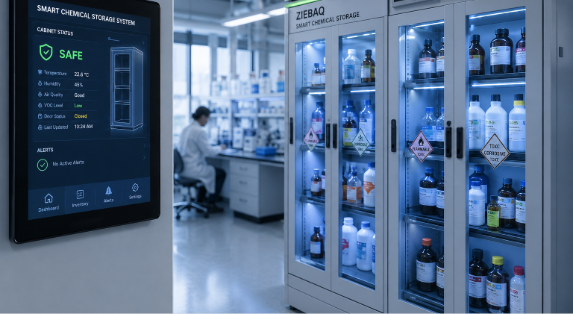
The integration of IoT technology into ESD furniture enables real-time monitoring of static levels and environmental conditions.
7.2. Sustainable Materials
Manufacturers are increasingly using eco-friendly materials to produce ESD furniture, aligning with global sustainability goals.
7.3. Advanced Grounding Systems
Innovative grounding systems are being developed to provide even greater protection against ESD.
8. Conclusion
Optimizing your lab with ESD innovations, particularly Laboratory ESD Furniture, is a strategic investment that enhances safety, efficiency, and productivity. By understanding the risks of electrostatic discharge, choosing the right ESD furniture, and implementing best practices, you can create a lab environment that supports cutting-edge research and innovation. Whether you’re upgrading an existing lab or designing a new one, ESD solutions are essential for staying ahead in today’s competitive scientific landscape.